Category Archives: biodiversity

Little Boy of 1945

webiimg188a

American airmen dropped Little Boy on the city of Hiroshima on 6 August 1945, followed by Fat Man over Nagasaki on 9 August. Read more here

Yesterday Today: A Picture is Worth a Thousand Words

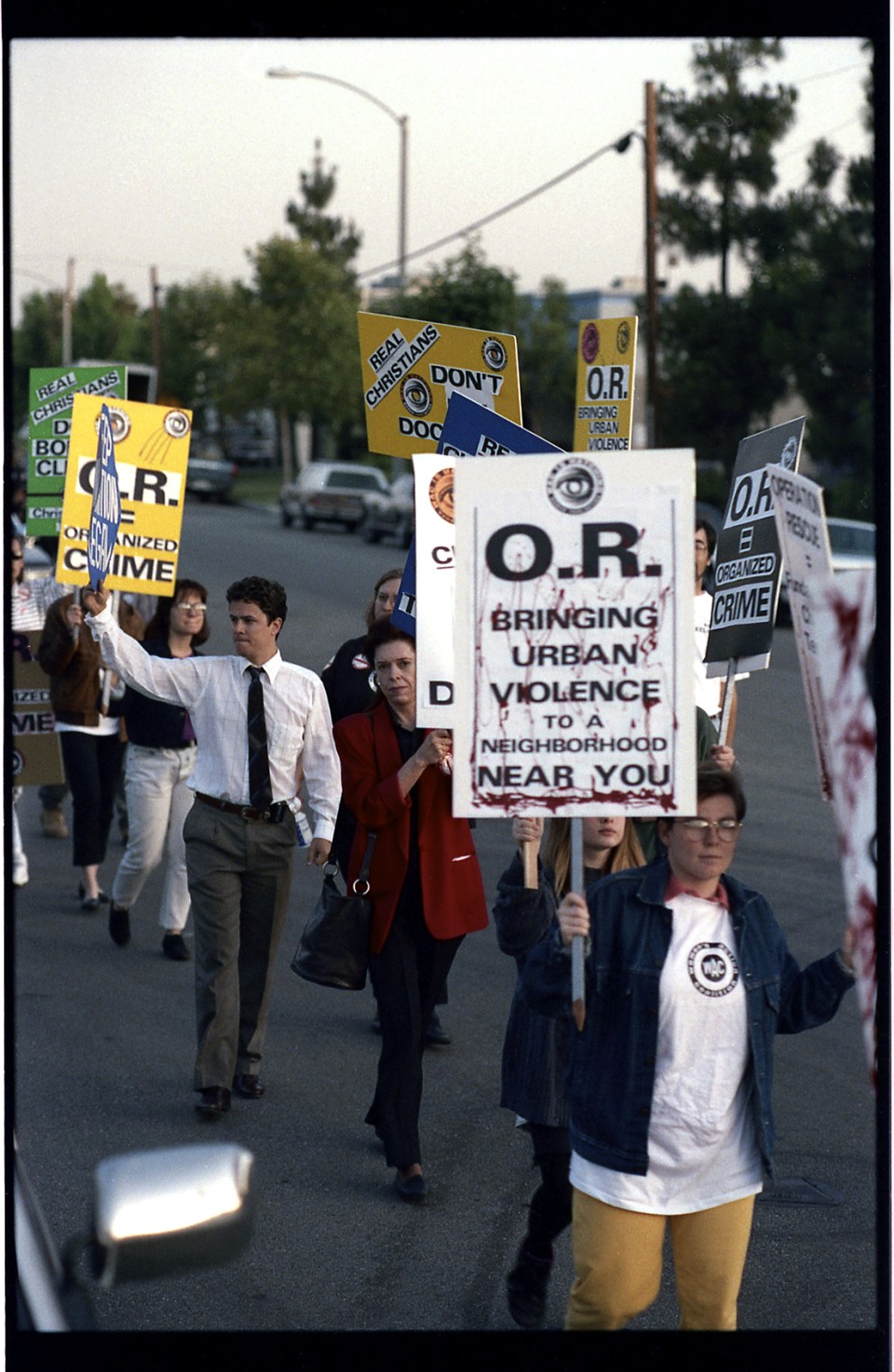
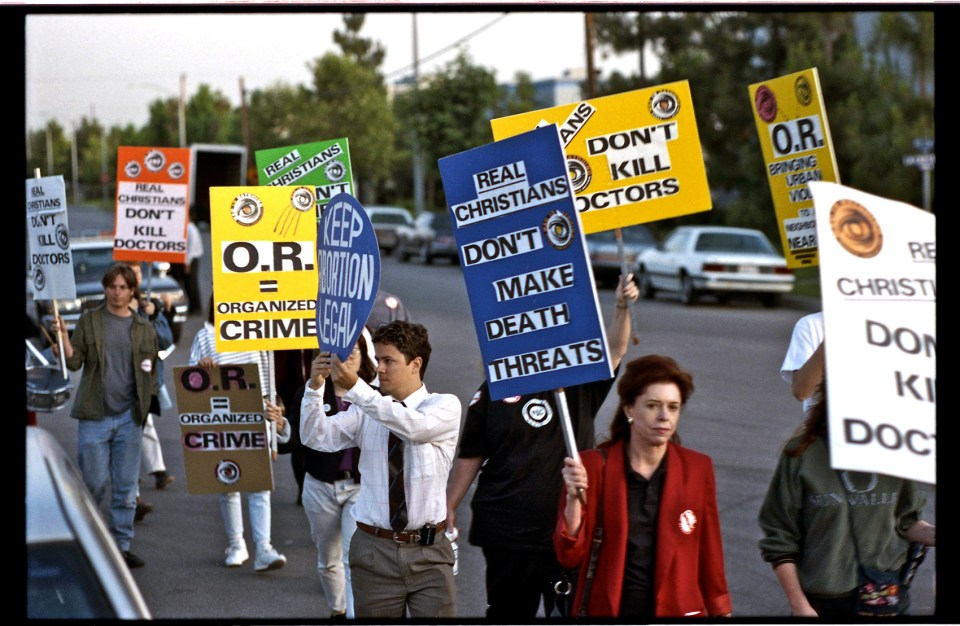
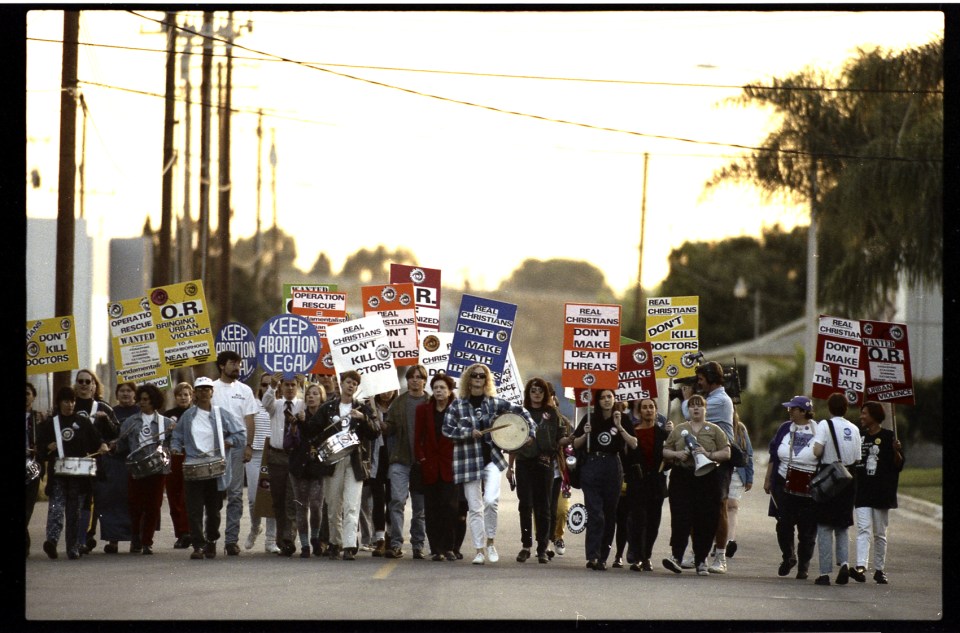
webimg259 webimg263 webimg268 webimg269 webimg291Building my website has been an exercise in many disciplines.

Apart from viewing my professional history through my photographs, more and more I realize them for what they are: a record, a document and a mirror of our society.

One of the questions I have been asking myself recently is, how much have we grown as a nation? How forward thinking, have we become as a country?

We call ourselves the greatest democracy in the world, yet we are willing to destroy our natural resources,  sell our democracy to lobbyists whose only consideration is their own profit, and undermine our constitution, all in the name of progress?

Progress for whom?

This progress guarantees no future for our children and in the name of this progress we  give permission to take their lives prematurely in an epidemic called gun violence.

Not only is Congress giving permission and guaranteeing a shorter life span for children they are starving our children and working families while feeding the insatiable belly of corporations. Corporate greed and religious intolerance galvanizes and energizes the chasm dividing our nation, through a violence that especially targets the most vulnerable populations, children. As George Zimmerman said: “I was doing God’s plan.” His  justification rooted in a moral ethic that is supported by lobby espoused religious zeal, dressed up as law, entitling him to take the  life of Trayvon Benjamin Martin.

Have we really become a nation that settles for watching “reality TV” while dismissing, denying and refusing to participate in our own democracy?

Why are these same themes repeating themselves?

The life of an African-American males continues to be devalued and discounted, around the country and especially  in the very same regions that would take our right to vote.

Women are still fighting, clamoring for our right to own our bodies, to choose, to access healthcare.

The sentinels screaming the religious indignation of  ‘Right to Life‘ are the very same guardians obstructing health care outside the womb. The very same group body opposing the collective body of citizens in the right to vote, in equality for all people, of all colors and races, in life, liberty and the pursuit of happiness and in our inalienable right in freedom of speech.

In love thy neighbor as thyself, where is the love to feed those who do not have enough to eat because the appetite of corporate greed exceeded their neighbors?

These guardians, the very same sentinels whose right to bear arms will stand their ground in ‘Right to Life.’ Right to whose life?

We are in peril of losing one of our most precious pillars of democracy, and that is our right to vote. It is our collective voice. Our mandate. The navigation that guarantees our waters of democracy.

Our guarantee of an even keel for all, not just the few.

If a picture is worth a thousand words, then I have written a few toward this sum today.

These photographs, my copyright, were recorded while on assignment for the Los Angeles Times and will be available via my archive
Women, Climate Change and World Refugee Day: Connect the Dots

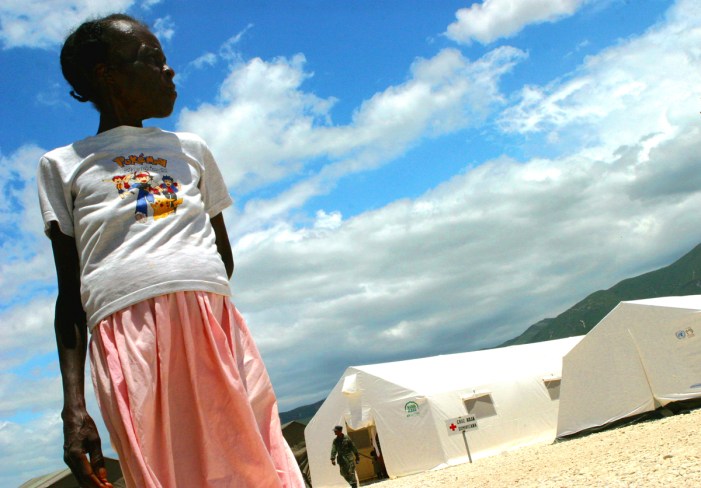
webIMG_0164Today is World Refugee Day, and this begs the question, how  many of us will become refugees as a result of climate change? This Haitian woman, is a hurricane survivor who was relocated to a camp in the Dominican Republic at the border with Haiti. TWO PERCENT of Haiti is forested. Simple math tells that the remaining 98 percent is DEFORESTED.

Soil erosion is the result of deforestation, which makes the island nation vulnerable to landslides and floods during hurricane season.

Where there is no soil, there is no food;  which leads to hunger.

Deforestation has led to Haiti to depend on other nations, agencies, ,and NGO’s for food.

According to a report published on June 10th, 2015,  by the United Nations Internal Oversight Services, “over 200 women were forced into sexual acts with UN peacekeepers in exchange for basic necessities”

Think about the number of displaced persons as a result of hurricane Katrina.

Were they not climate refugees?

This week the Guardian published an article on American’s First People who are now America’s First Climate Refugees.

The people of Newtok, Alaska, like the people of Haiti are, literally,  losing the ground below their feet.

Photograph and text copyright Ana Elisa Fuentes

Shundahai

shundahai(sunriseprayer)2

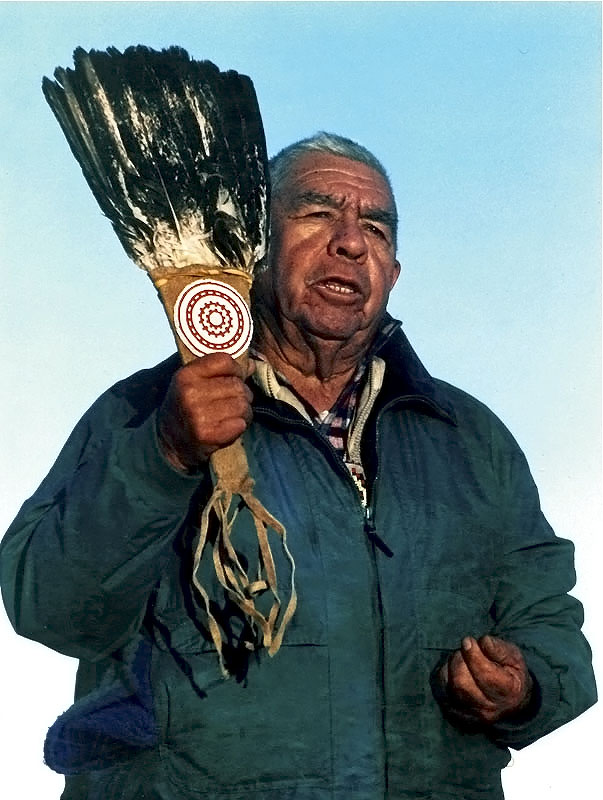
Sunrise Prayer – Shundahai – Peace and Harmony With All of Creation

image copyright anaelisafuentes

Renewable Wind Energy Day

In honor of renewable wind energy day, wind turbine installation, California.

image copyright anaelisafuentes

What are you waiting for?

IMG_1344

Why is the Arctic important?
The Arctic is our planets refrigerator, it is our cooling system.

Imagine
You have a refrigerator at home, but the cooling system is NOT WORKING

What would you do?

Most likely replace it. Go out and buy another one.
Right?

The heart of the matter is this
We cannot buy another Arctic.
It is not for sale. We cannot replace it.

The Arctic is  unique.
Like you and me,  your children. Your pets.

I ask you from my heart to yours,

for YOU,  for me,  for YOUR children
and for your children’s children, to take one moment

  add your name to the GLOBAL  DECLARATION making the Arctic a GLOBAL SANCTUARY

One planet. One Arctic.

What are you waiting for?

Children’s Rainforest

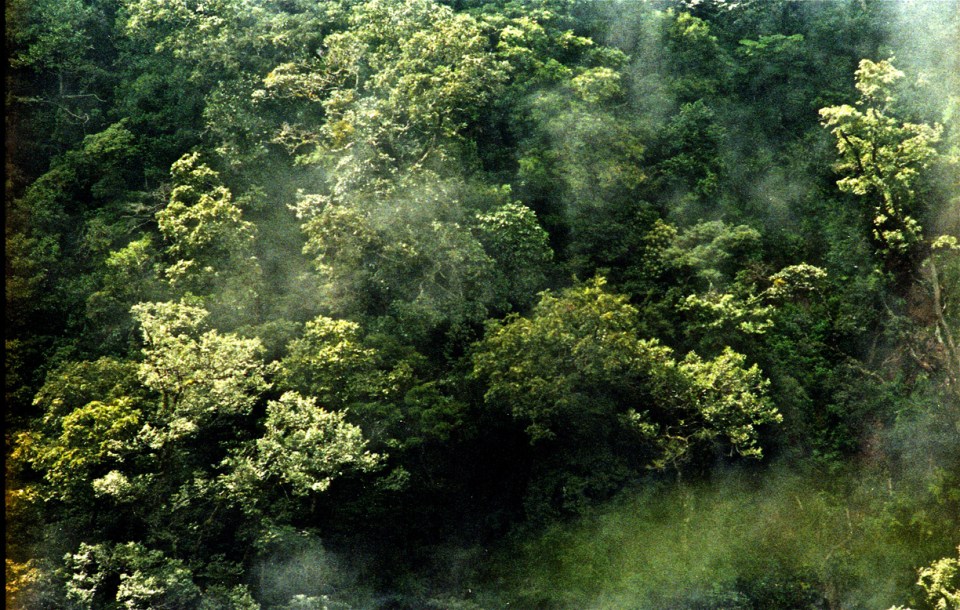
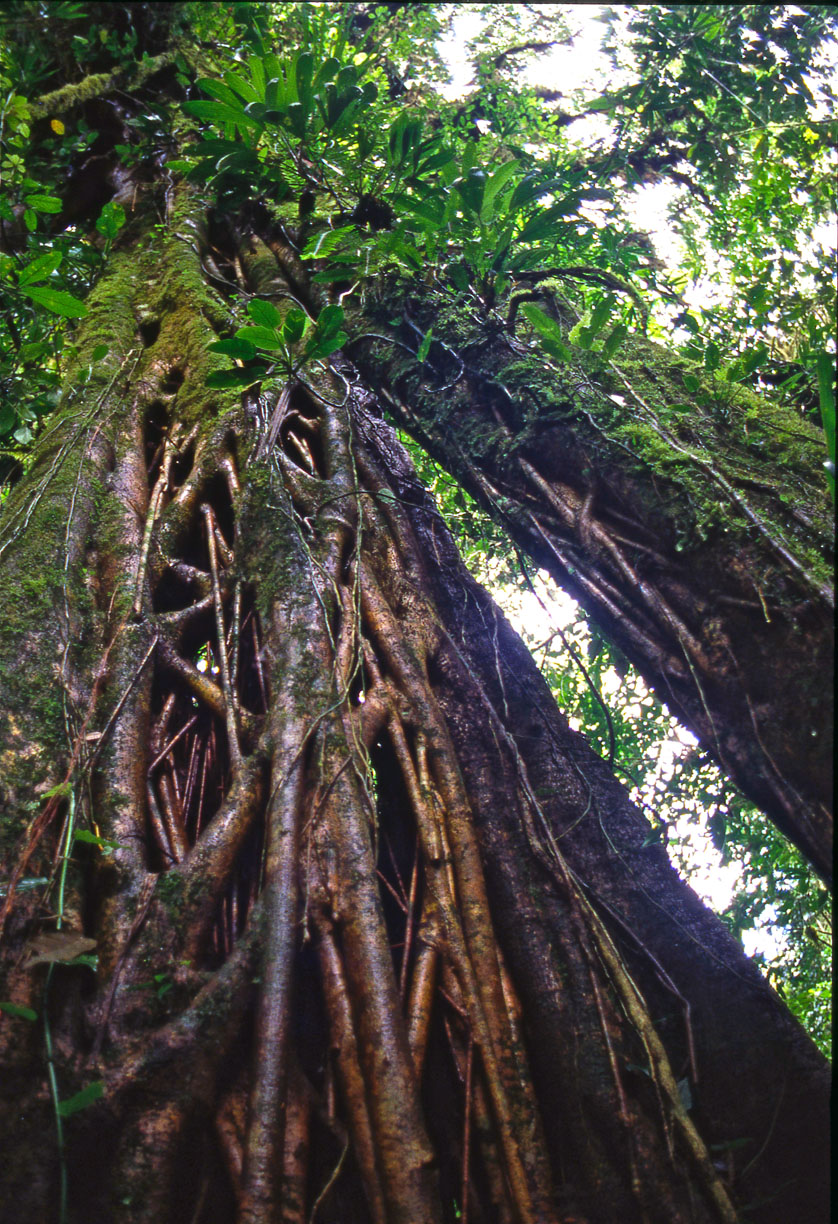
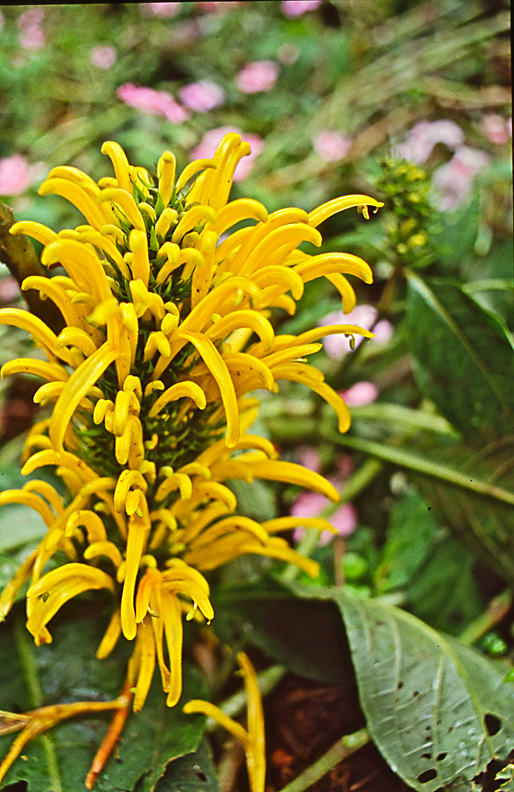
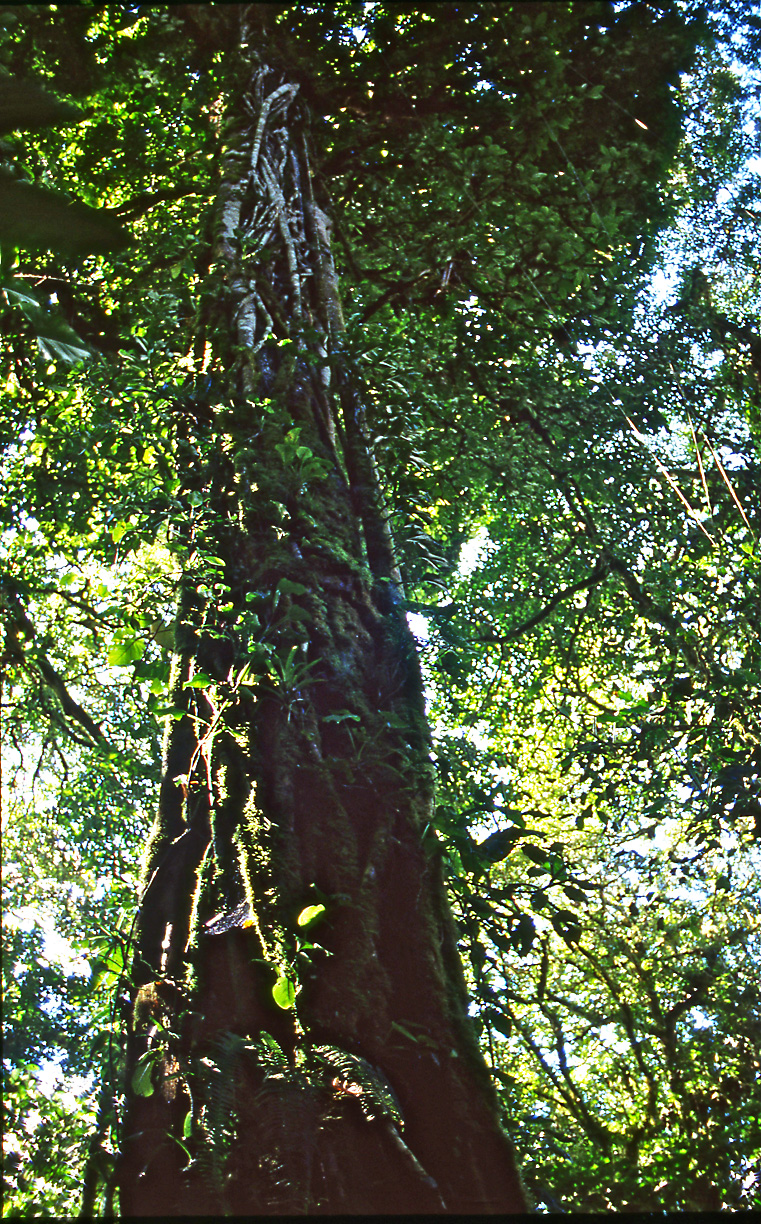
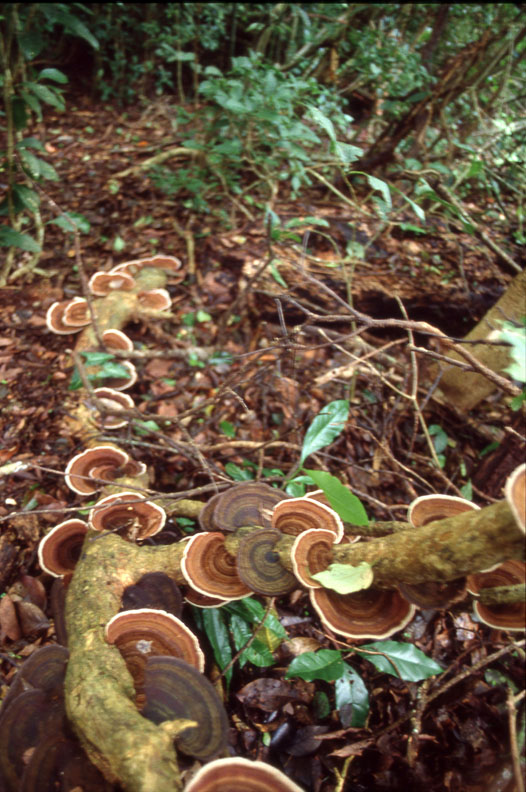
WEBimg048TWEETimg012WEBimg055WEBimg049WEBimg053  Children’s Rainforest, Monteverde Cloudforest, Costa Rica

photo copyright Ana Elisa Fuentes

WEBimg050

Photographed using Kodak PPC color negative and Kodak EPP slide film

A Line in the Sand

Can you cite three examples of green energy, technology,  and/or resources and do you implement any of them?

Claire R., 34, nanny, of Seattle, Wa.: “bicycling, architectural recycling & buy organic. I implement all three. Organic is a challenge at the end of the month because it is expensive.”

Frieboes Family, 23, 34, & 12, fitness consultant, chef, & student, of Oregon: “recycling, solar and composting. Yes we use all three in our daily lives.”

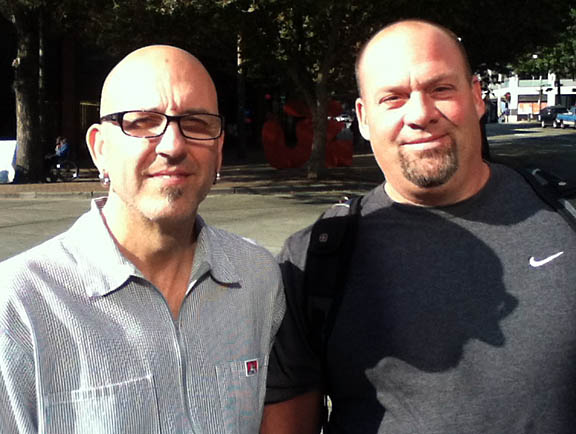
(l-r) Daniel N. 50, unemployed, Seattle, Wa. & Brian L. 42, window installer, Renton, Wa.: “wind, solar & composting: We were just discussing this. We walk rather than driving or taking the bus. We’re able-bodied. We can drive but choose not to. We take solar showers. Use high-U.V. glass for the home. This makes for lower heating bills and conversely lower cooling bills. All of this makes for less waste and consumption.”

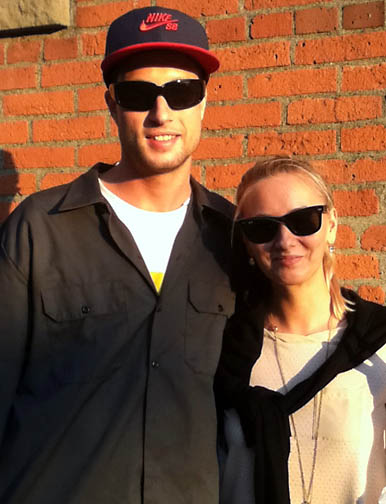
(l-r) Martin D. & Kitti J., 24 & 23, automotive I.T. & hair stylist, of Bratislava, Slovakia: “wind turbines, hydroelectricity, & solar Energy. Unfortunately not, but, we do use solar generated lamps in our garden.”

Emily P., 23, restaurant hostess, Colorado Springs, CO. : “walking, public transportation, & recycling. We walk instead of using my car and additionally use public transportation. We also recycle and compost, limit our water use. We shower one time per day and shower together to save water.”

All replies and photographs are published with the participants permission. Photographs taken using an iPod touch.

A Line in the Sand column copyright, Ana Elisa Fuentes.

My sincere thanks to the participants.

Can you cite three examples of green energy, technology,  and/or resources and do you implement any of them?

A Line in the Sand: Are Environmental Issues Influencing Your Election Decisions?

Keenan G., 20, Cellular Biology student, Santa Barbara, California: “I feel like in the beginning, it didn’t. But now, it is a bigger deal. Issues like global warming, ice caps melting and our diminishing resources; these must be difficult decisions for our next president. I feel like the candidates need to listen to the people more and be less concerned with the popularity that comes with being President. Maybe I ought to look into and invest more time in the green party. These are issues that the entire planet is facing, not just the United States.”

Trudy B., 63, Vocalist, Santa Barbara, California: “Yes. I’ve always been interested in environmental issues. I don’t like some of the things we are doing to mother earth. I feel very strongly about our precious mother Earth. In many ways we have been unconscious about how we treat her and her resources. We need to wake up.”

Julie C. 69, Retired Nurse, Shreveport, Louisiana: “To a certain extent. I don’t want us to be foolhardy. I’m from a red state, Louisiana. I want us to be energy independent whether, it’s oil, gas, or solar. I’m a conservative. I study both sides of the issues. There are a lot of resources that should be taken use of. This will provide jobs. We need to be smart about what we do. Take every opportunity, be careful and watchful about how we protect our environment.”

Gerald D. 80, Retired Electrical Engineer, Portland, Oregon: “Environmental issues are not going to convince me one way or another. Period. They are not going to end up doing anything about it anyway.”

Oscar M., 60, Musician, Santa Barbara, California: “The environment is important to me. If I was voting, it would be somebody who is not representing corporate interests. I think we are due for big changes, on all levels, including our environment and our voting system.”

Todd G., 34, Electrician, Sheridan, Oregon: “No, not really. But, I think nuclear is the cleanest energy. I think it has the smallest environmental impact per square foot.”

Kyle D., 22, Unemployed, New Mexico: “I will not base my decisions on political discussion. They are roundabouts and the issues in question are constantly changing. I will decide in my own way. I will do my research then. I will vote based on who they are as a person. Specifics don’t matter.”

All replies and photographs are published with the participants permission. Photographs taken using an iPod touch.

A Line in the Sand column copyright, Ana Elisa Fuentes.

This blog post powered by foot and public transportation.

My sincere thanks to the participants.

Are Environmental issues influencing your election 2012 decisions?

A Line in the Sand

Welcome to A Line in the Sand – my new weekly column that will address pertinent questions about our environment in open public spaces.

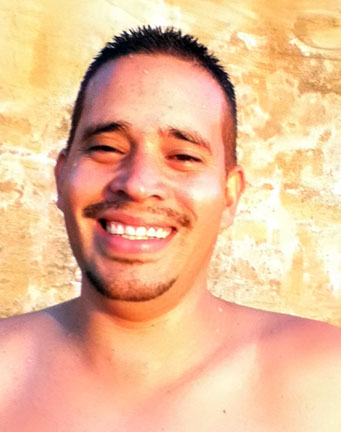
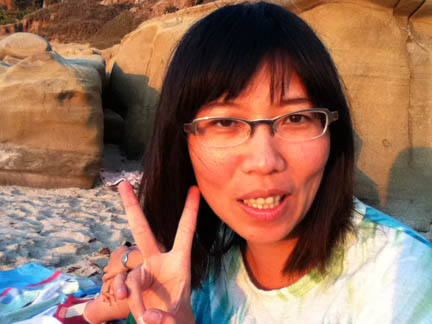
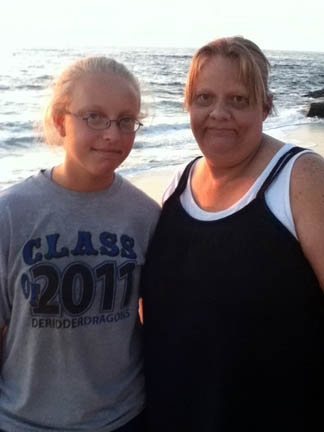
Question: What does climate change mean to you?

Johnathan G. and Bridget M. both 19, students, of Rancho Cucamonga, California
” We were just talking about this. Climate change is caused by human activity. People need to pay attention. People need to be aware, about everything we consume and how we consume, and how we obtain what we consume, and our disposal. We need to be aware of our ecological footprint. All of this affects our biodiversity, especially when it starts killing things around us. It is so easy to ignore.”

Paolo M., 29, scientist, Lugano, Switzerland: ” I think it’s a measure of concern. It is underestimated. Our life is short, but the effects are long-term. We don’t do enough to prevent it. It’s important to try to make people aware of it, especially in the U.S.A. where people drive their car for an errand five minutes away. And plastic. I have been here two weeks and have a hundred bags. In Europe, the glaciers are disappearing.”

Oscar G., 32, window washer, Chula Vista, California: A variation of hot and cold weather. Stormy weather. Hot winds, cold fronts, dramatic and not normal weather patterns.”

Shao-Ya Hsu, 37, student, Scripps Ranch, California: Awareness of the environment. Before I was not so aware. Personally, I try to do more – recycling, not wasting our resources. Just to be here and observe the ocean. I just appreciate it. We have only one earth and we need to protect it.”

Ramona B. 49, housewife, Louisiana: I’ve heard about it on T.V. It’s all I can think of.”

All replies and photographs are published with the participants permission.

A Line in the Sand column copyright, Ana Elisa Fuentes.

My sincere thanks to the participants.

What does climate change mean to you?