



from Wikipedia The word ant is derived from ante of Middle English which is derived from æmette and emmett of Old English and is related to the Old High German āmeiza from which comes Ameise, the German word for ant.[19] The family name Formicidae is derived from the Latin formīca (“ant”)[20] from which derived Portuguese formiga, Spanish hormiga, Romanian furnică, French fourmi, etc image
©Ana Elisa Fuentes/Aefpix – From in the garden series.
Thank YOU 4 your vote. Please share Positively Green with friends/community. Please vote
for this project here


Pages from
Biodiesel From the Fields To The Tank, published on January 1, 2008. I rode from location to location froom 2007 to 2009 on my bicycle to complete this assignment and beyond. ©Ana Elisa Fuentes/aefpix
Pages from
Biodiesel From the Fields To The Tank, published on January 1, 2008. I rode from location to location froom 2007 to 2009 on my bicycle to complete this assignment and beyond. ©Ana Elisa Fuentes/aefpix
 Dance in the Tibetan Buddhist tradition, year of the Earth Ox.
©Ana Elisa Fuentes
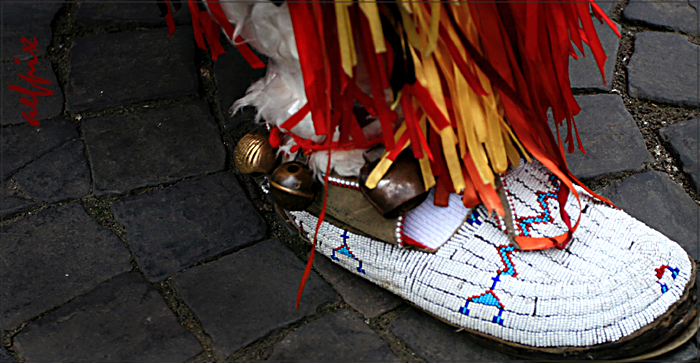
The federal government has a long history of cheating American Indians, and not all of this dirty dealing is in the distant past. On Monday, the Supreme Court hears arguments in a suit by the Navajo, who lost millions of dollars’ worth of coal royalties because the government helped a coal company underpay for their coal. A lower court ruled for the Navajo Nation. The Supreme Court should affirm that well-reasoned decision.
The Navajo’s huge reservation spreads across parts of Arizona, New Mexico and Utah. The United States holds the lands in trust and manages their large coal deposits. Peabody Coal had a lease to mine on that land. The terms provided that in 1984, the interior secretary could make a reasonable adjustment in the royalty rates paid to the tribe.
That year the department increased the royalty rate to 20 percent of gross proceeds. After Peabody protested, the Reagan administration’s interior secretary met with a Peabody lobbyist, without informing the Navajo. The secretary then signed a memo blocking the increase and called for the Navajo to negotiate with Peabody. The tribe, already under severe economic pressure, ended up agreeing to a rate of just 12.5 percent. The Navajo eventually sued, arguing that the government violated its duty to look out for their interests, and that it cost them as much as $600 million in royalties.
They lost in the Supreme Court on one set of legal theories, but are now relying on other laws. The Washington-based United States Court of Appeals for the Federal Circuit ruled for the Navajo. In a unanimous ruling, the three-judge panel concluded that several federal laws impose the sort of fiduciary duty the Indians assert.
The appeals court also made clear that the government did not live up to this duty. The ruling found that the Interior Department met “secretly with parties having interests adverse to” the Navajo, adopted those parties’ “desired course of action in lieu of action favorable to” the Navajo, and misled the Navajo about its actions.
The government’s behavior was “indefensible,” according to four former interior secretaries, who submitted a friend-of-the-court brief to the Supreme Court. The Obama administration, which has inherited the Bush administration’s position in the case, should not continue to stand up for these misdeeds.
function getSharePasskey() { return ‘ex=1393131600&en=8253137fc736f24f&ei=5124’;}
function getShareURL() { return encodeURIComponent(‘http://www.nytimes.com/2009/02/23/opinion/23mon2.html’); } function getShareHeadline() { return encodeURIComponent(‘Justice for American Indians’); } function getShareDescription() { return encodeURIComponent(‘The Supreme Court should rule for the Navajo, who lost millions of dollars in royalties because the government helped a coal company underpay for their coal.’); } function getShareKeywords() { return encodeURIComponent(‘Navajo Indians,Royalties,Coal,Editorials,Supreme Court’); } function getShareSection() { return encodeURIComponent(‘opinion’); } function getShareSectionDisplay() { return encodeURIComponent(‘Editorial’); } function getShareSubSection() { return encodeURIComponent(”); } function getShareByline() { return encodeURIComponent(”); } function getSharePubdate() { return encodeURIComponent(‘February 23, 2009’); }
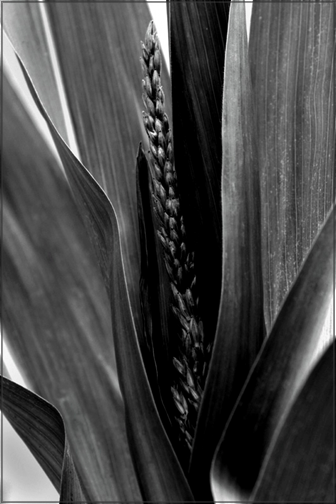
From In the Garden series.
image © Ana Elisa Fuentes/Aefpix
My Garden.
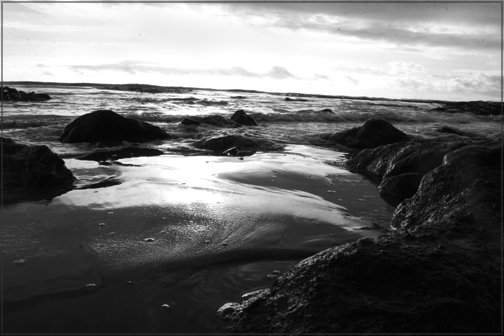
The other day listening to the radio I heard about a project that is recording what lives beneath the ocean. A collaboration of 80 nations, the Census of Marine Life will expose the life, diversity and health of our world oceans. This ten-year research project is available on the internet, with a stunning gallery of images that is breath taking and life giving. Enjoy. It sure made me take a second look at my ocean file photograph.

 AnaElisa