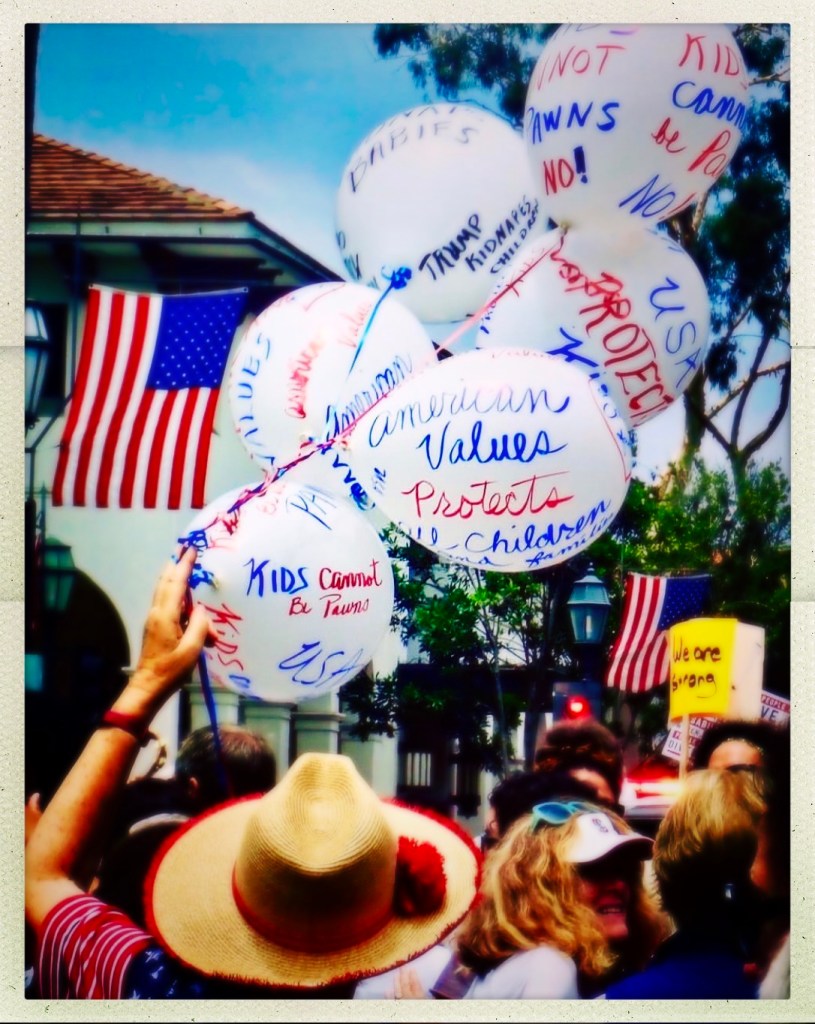
Over 2500 people walked together in unison on State Street in support of #FamiiesBelongTogether on Saturday June 30th, 2018 in SantaBarbara, California. In case you need some inspiration or motivation to #Vote Lenscratch curated a gallery of images that will have you/your loved ones off your derriere to #VOTENOW The images are as diverse as our nation. Have a look http://lenscratch.com/2020/11/vote-2/
Imagine, if you can, unable to walk out of your home because your hard-earned wages will be stolen by people on the street; or you are of an age sought by actors of corruption within the police force or street-gangs, and sometimes you can’t tell the difference. So you walk for two-to-three months with only a dream to keep you going.
Meet Jorge Joyal. He is 29 years old, from Honduras, and a father to a six-year-old daughter. Mr. Joyal said that he walked for two-to-three months with the hope of coming to the United States. The above exercise in imagination is his life story. While his dream to come to the United States has taken a detour, Mr. Joyal has been offered support and assistance by the Mexican government. He has applied for permission to work in Mexico and hopes to have employment at one of the high-tech companies offering employment assistance to refugees and asylum seekers.
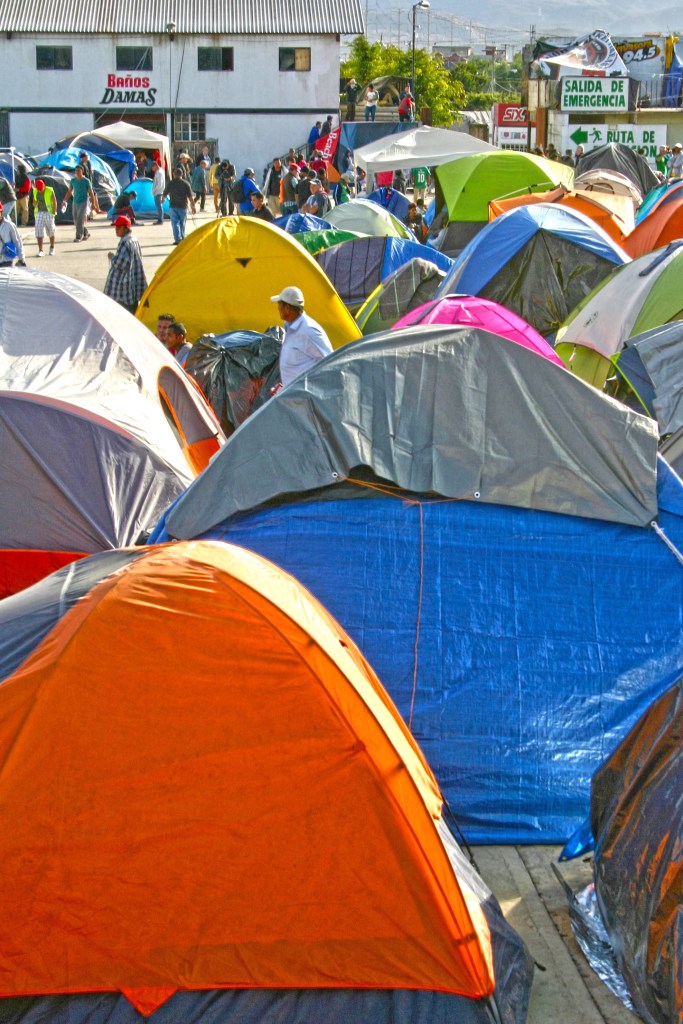
The entrance to El Barretal – the newly designated shelter for asylum-seekers, refugees at the US-Mexico southern border at Tijuana, Mexico.
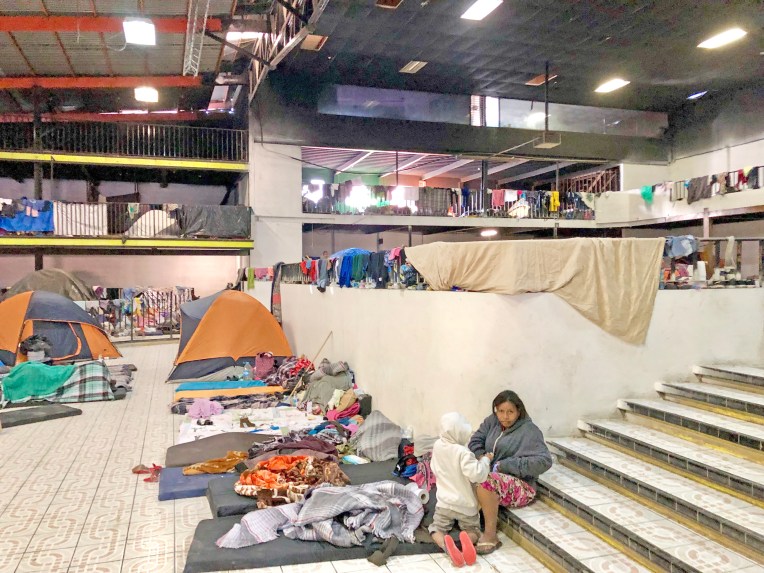
On Tuesday December 4th, 2018, DIF accounted for a total of 2,331 persons residing in the shelter designated for families with children.
On Thursday December 6, 2018 acting New York Attorney General Underwood: “13 AG’s are filing an amicus brief today to challenge the Trump administration’s efforts to restrict applications by immigrants seeking asylum. This is a de-facto denial of asylum. It is illegal, it is inhumane, and it must end.”
Attorney General Underwood goes on to write: “More than 6000 Central American immigrants, including over 1000 kids, are stranded outside California’s ports of entry waiting to present their asylum claims. They are living outside in extreme weather, without access to basic services, so that they can have a chance at a better life.”
The faces of mothers.
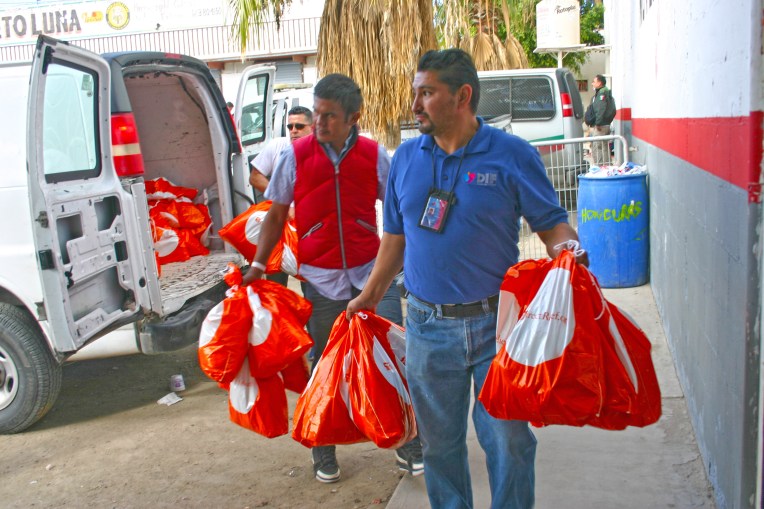
(front) Julio Alberto unloads the DIF van with personal care items scheduled for the families with children.
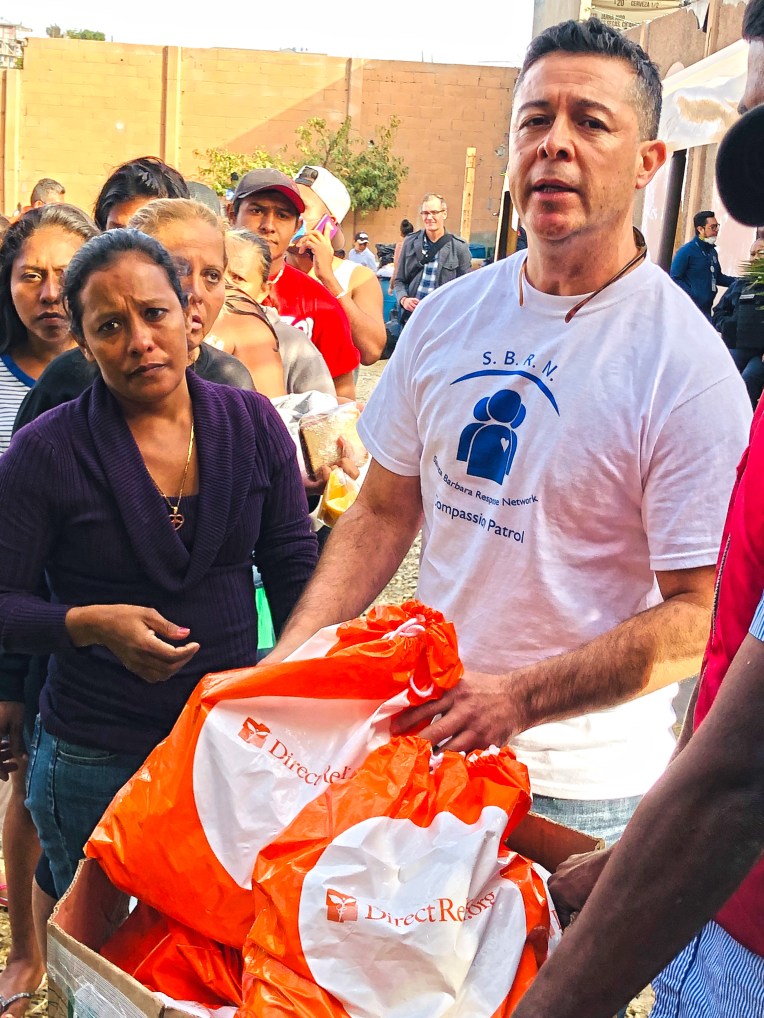
Jesús Landeros, of Santa Barbara, California is a volunteer with SBRN or the SantaBarbara Response Network; Landeros is also employed with Montecito Union school . “This was a learning experience for me too,” he said referring to El Barretal and his health, safety, and security responsibilities for students, faculty, and the school building itself during the grip of the Thomas fire and the subsequent mudslides. In this photo Landeros distributes personal health-care items donated by Direct Relief.
The contents of care.
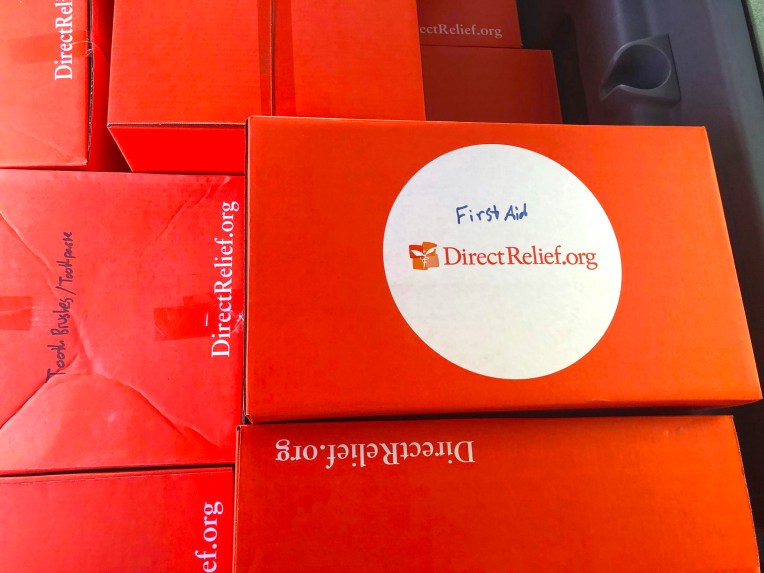
In support of the dream to have a better life, and in efforts to assuage the delay of dreams to a better life, a generous wave of individual community-minded people, in coordination with the Santa Barbara Response Network,DIF-Mexcio and Direct Relief of Santa Barbara, California delivered hygiene products – the basics of everyday life such as shampoo, body soap, antibiotic cream, first-aid, toothbrushes, toothpaste, dental floss.. Remember how you felt after not brushing or flossing 24-hours? Imagine for months.
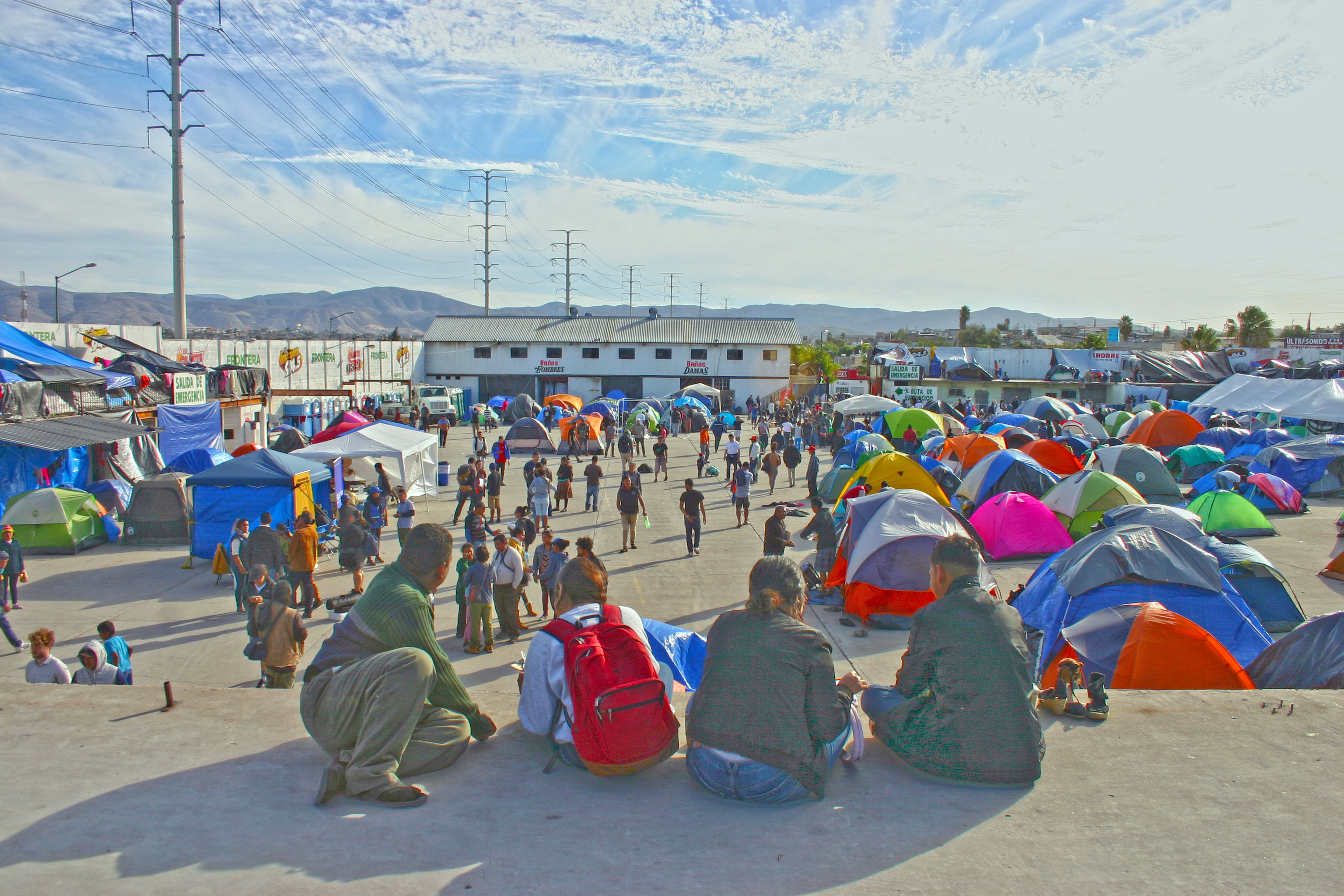
In this newly sprouted village at our southern border at Tijuana, amid lives stranded, one can see signs of former life ritual in children and teens playing soccer, in adding color to hopes and dreams in large scale graphics, and in the power of listening in the peer-to-peer conversations.
Overview of El Barretal. (pictured center) are Mariana Caña and Maritza Escobedo.
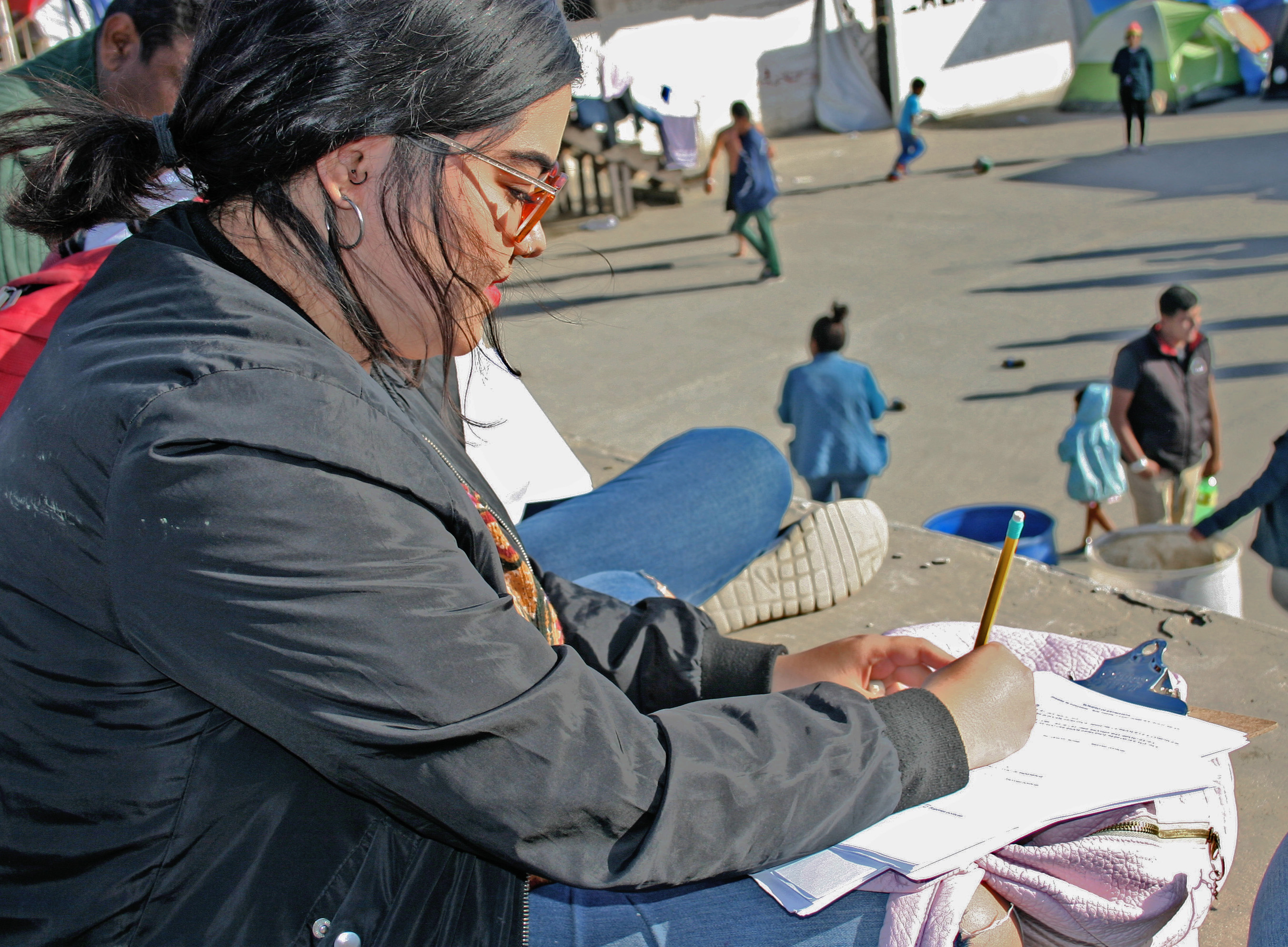
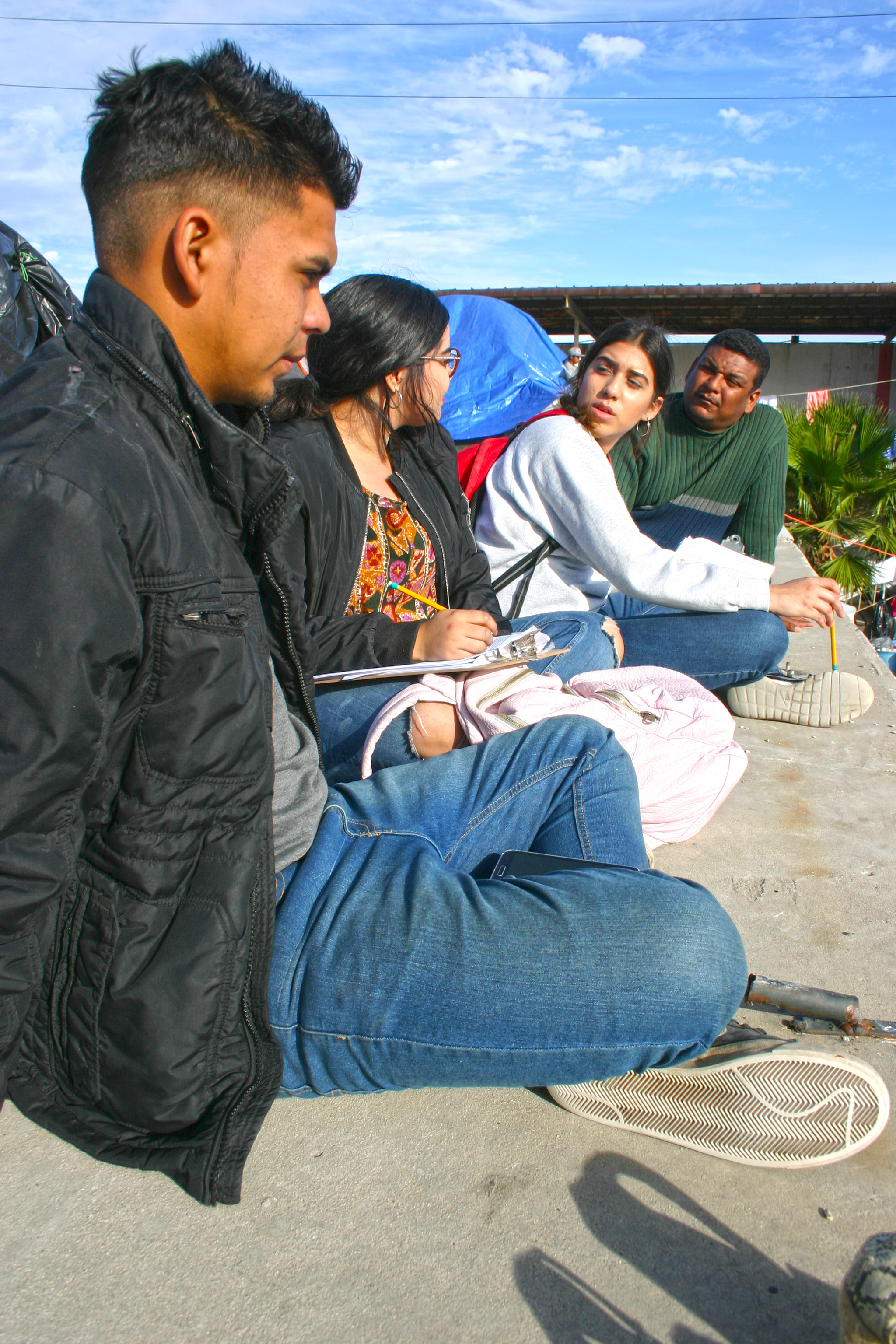
Mariana Caña and Maritza Escobedo are doing such work – listening. They are listeners, rendering the power of the compassionate ear. Both Caña and Escobedo are students in Psychology at the UABC (The Autonomous University of Baja California ) Both Caña and Escobedo are student volunteers, conducting health questionnaires of the refugees in affiliation with the NYU School of Medicine, under the direction of Dr. Allen Keller. According to his bio: “Dr. Allen Keller is Associate Professor of Medicine at New York University School of Medicine, Director of the Bellevue/NYU Program for Survivors of Torture (PSOT) and Director of the NYU School of Medicine Center for Health and Human Rights.
”Caña writes that she hopes “to start giving psychological attention to those who need it most at the shelter.”
Perched overlooking El Barretal, Caña and Escobedo, listen and conduct their health questionnaires as volunteers for NYU school of medicine.
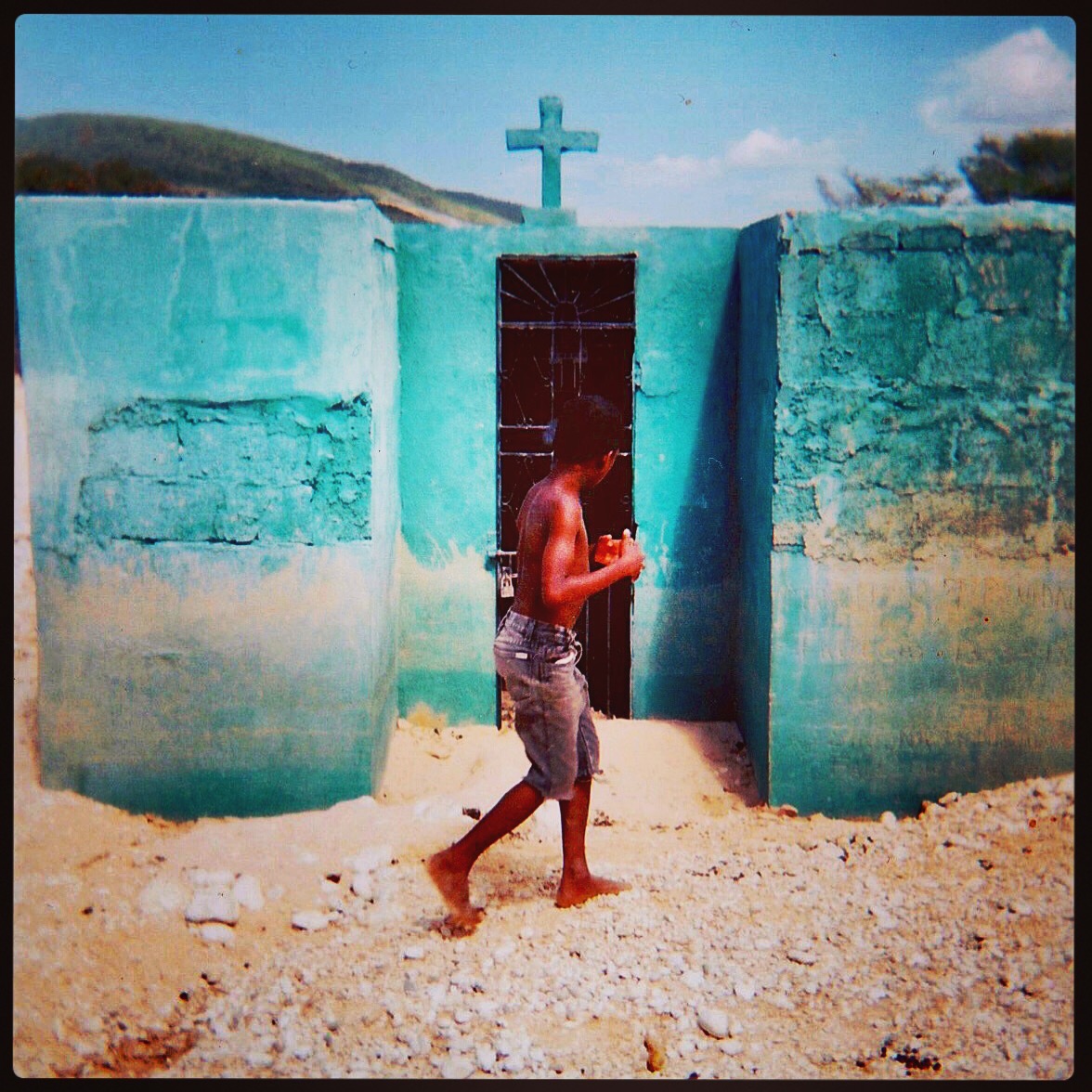
I was looking over my photos today and rediscovered this image from Haiti. I had split from my group and decided to take my Holga for a walk when I came upon a group of mausoleums. I observed the reddish-brown demarcation on the mausoleum where the floodwaters had risen,…..when from nowhere this young boy, walked into the frame. I was relieved that I was not seeing an apparition. This relief was based on my sense of rawness – from that sense of bearing witness to collective thirst, hunger, and misery. When we had arrived with our supplies we were not rushed upon as people had grown too weak… this was compounded by an eerie sense of quietude – as all the animals had either died in the flood or eaten to survive.
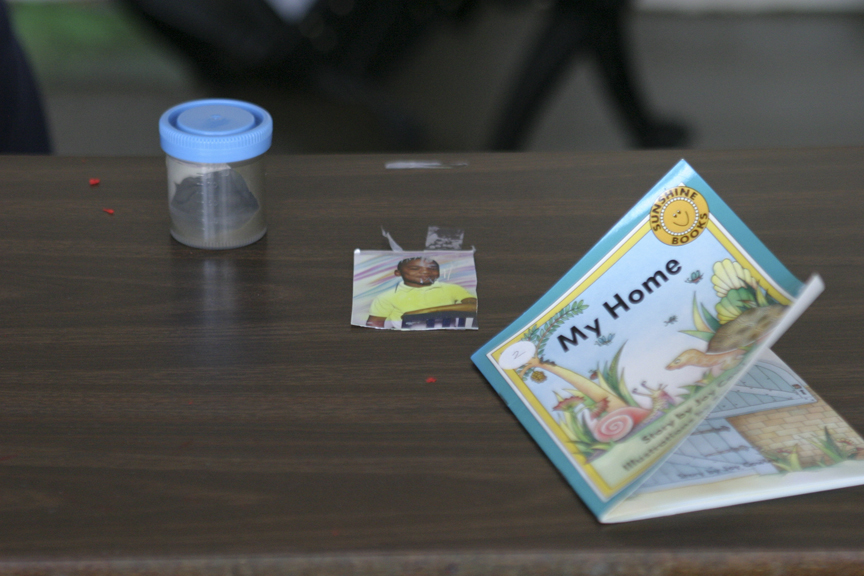
BAY ST. LOUIS, MS — SEP 12, 2005: A soil sample is placed on a desk in the kindergarten classroom at Secondary Elementary School in Bay St. Louis, MS on Monday September 12, 2005. PHOTO: Ana Elisa Fuentes for The New York Times.
BAY ST. LOUIS, MS — SEP 12, 2005: Gene Herring, Environmental Engineer with the Mississippi Department of Health takes a soil sample from the kindgergarten classroom at Secondary Elementary School in Bay St. Louis, MS on Monday September 12, 2005. Samples were collected to check for heavy metals and toxins. PHOTO: Ana Elisa Fuentes for The New York Times.
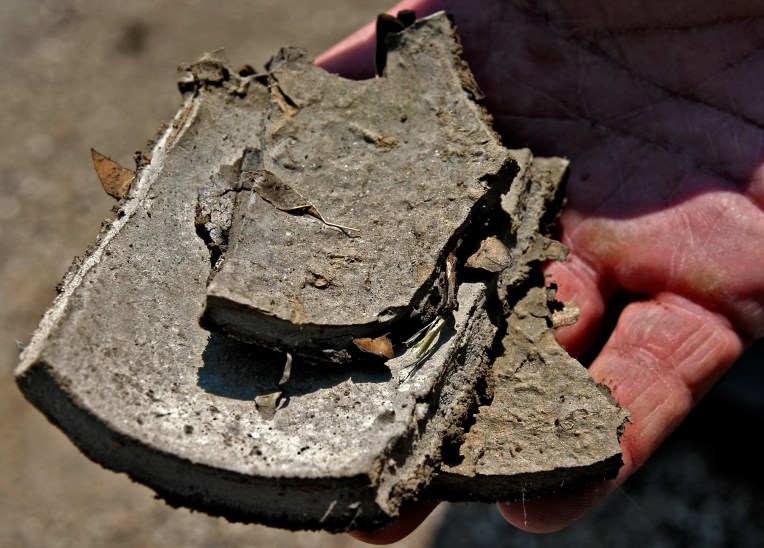
BAY ST. LOUIS, MS — SEP 12, 2005: Gene Herring, Environmental Engineer with the Mississippi Department of Health holds a clay sample washed to shore from the “bottom of the Mississippi sound” – the area of water between the barrier islands and the shore. Samples were taken to test for heavy metals and toxins released from the hurricanes storm surge. Samples were collected at Secondary Elementary School in Bay St. Louis, MS on Monday September 12, 2005. PHOTO: Ana Elisa Fuentes for The New York Times.
GULFPORT, MS — SEP 9. 2005: Dr. Alan Manevitz, psychiatrist from New York, New York, embraces Frances Fields, an epidemiology nurse, from district two, Tupelo, Mississippi. Both are members of the Mississippi Emergency Agencies on the gulf coast. Dr. Manevitz, is a trauma expert who worked with the public during 9/11; volunteered to assist during hurricane Katrina. Photo: Ana Elisa Fuentes for the New York Times.
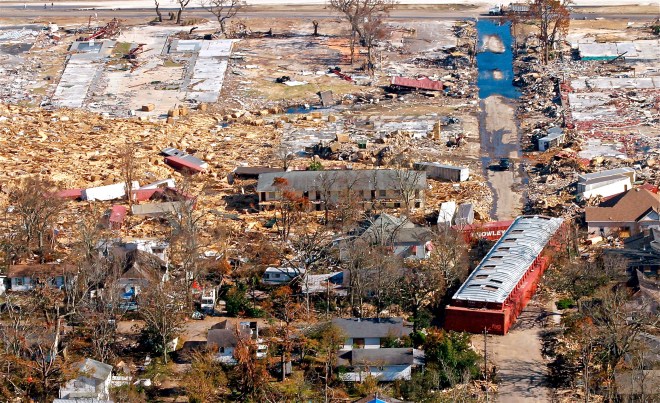
Aerial view of devastation caused by hurricane Katrina, over Gulfport, Mississippi on Sunday September 11, 2005. The long red/orange object to the right, is a barge that served as a gambling casino. The water and winds from the hurricane relocated the casino to a different neighborhood.
This is what the front page looked like.
Dap Dang, of Biloxi, Mississippi, paddles his skiff to assess the damages done by hurricane Katrina to the family shrimping business,
in Gulfport, Mississippi, on Friday, September 9, 2005.
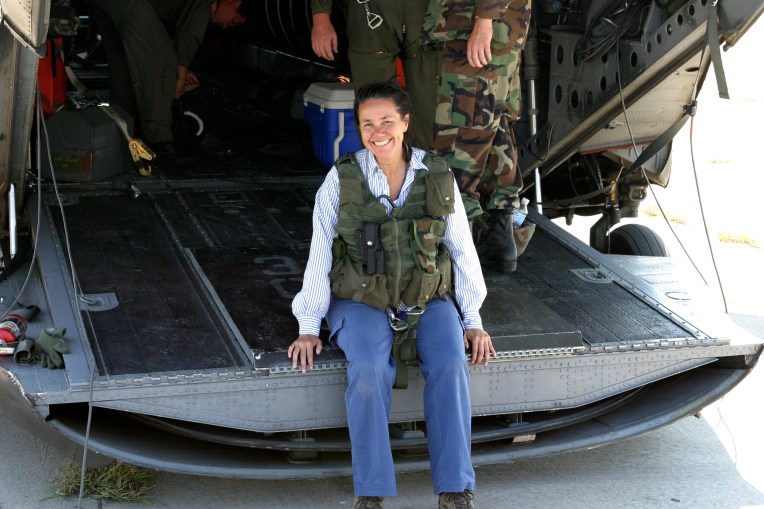
Throwback Thursday – with all the chatter about the upcoming anniversary of hurricane Katrina, I started going over my photo archive and
rediscovered this photo of me sitting on the tail of a Chinook helicopter, which served as my photography vantage point while on assignment, flying with the Ohio National Guard.
One of the best times in my life ever!
Recorded on September 11, 2005.
Hard to believe ten years have gone by.
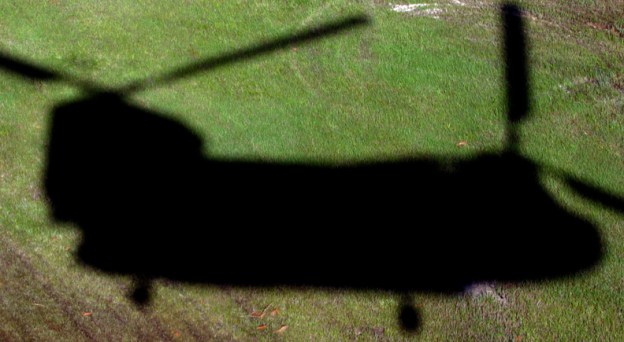
The Chinook preparing to land in New Orleans, bearing 14 tons of supplies and yours truly. The stench from above was foul.
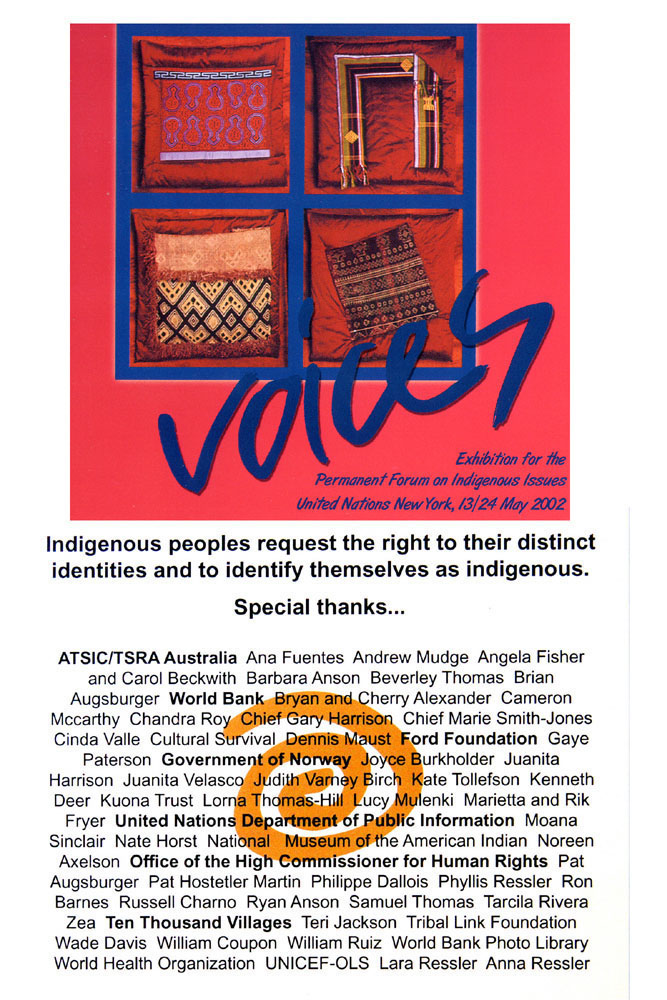
A nomadic woman walks with her belongings to the river, along the Plateau of Tibet, at elevation of 12,000 feet. Selected for the Voices Exhibition, on the occasion of The First Permanent Forum on Indigenous Issues, at the United Nations, in New York, New York. Photographed on Kodak color slide film with flash fill. Photo copyright Ana Elisa Fuentes.
Nuns walk with their dri ( a juvenile yak) on the Plateau of Tibet. Image copyright Ana Elisa Fuentes. Photographed on color slide film, donated by Kodak. Selected for the Voice exhibition, on the occasion of The First Permanent Forum on Indigenous Issues, United Nations.
Two women wait for a bus in Bluefields, Nicaragua. Selected for the Voices Exhibition, on the occasion of The First Permanent Forum on Indigenous Issues. Photographed on Kodak color film. Photo copyright Ana Elisa Fuentes.
Women, members of the Dani tribe mourn, the passing of their tribal chief, in the Baliem Valley, of Irian Jaya. A very rare photograph. I was permitted to sit on my haunches at the entrance to the mourning hut to record three frames. Recorded on color film. Photo copyright Ana Elisa Fuentes. Selected for the Voices Exhibition, on the occasion of The First Permanent Forum on Indigenous Issues.
A refugee from the war in El Salvador, this young girl studies at a school in San Miguel Desamparados, a village outside the of San José, Costa Rica. Recorded on Kodak black and white film, copyright Ana Elisa Fuentes. Selected for the Voices Exhibition, on the occasion of The First Permanent Forum on Indigenous Issues. Selected for the exhibition by Her Eminence Mary Robinson.
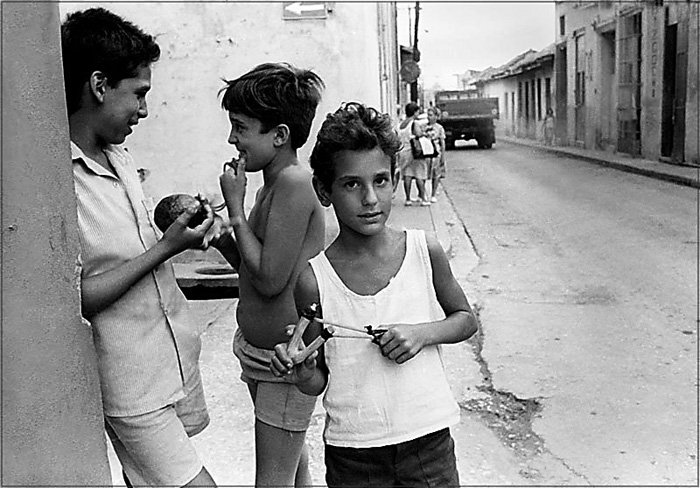
Children on a street corner, with a playful scheme in mind, in Havana, Cuba. Recorded on black and white film. Image copyright, Ana Elisa Fuentes. Selected for the Voices Exhibition, on the occasion of The First Permanent Forum on Indigenous Issues.
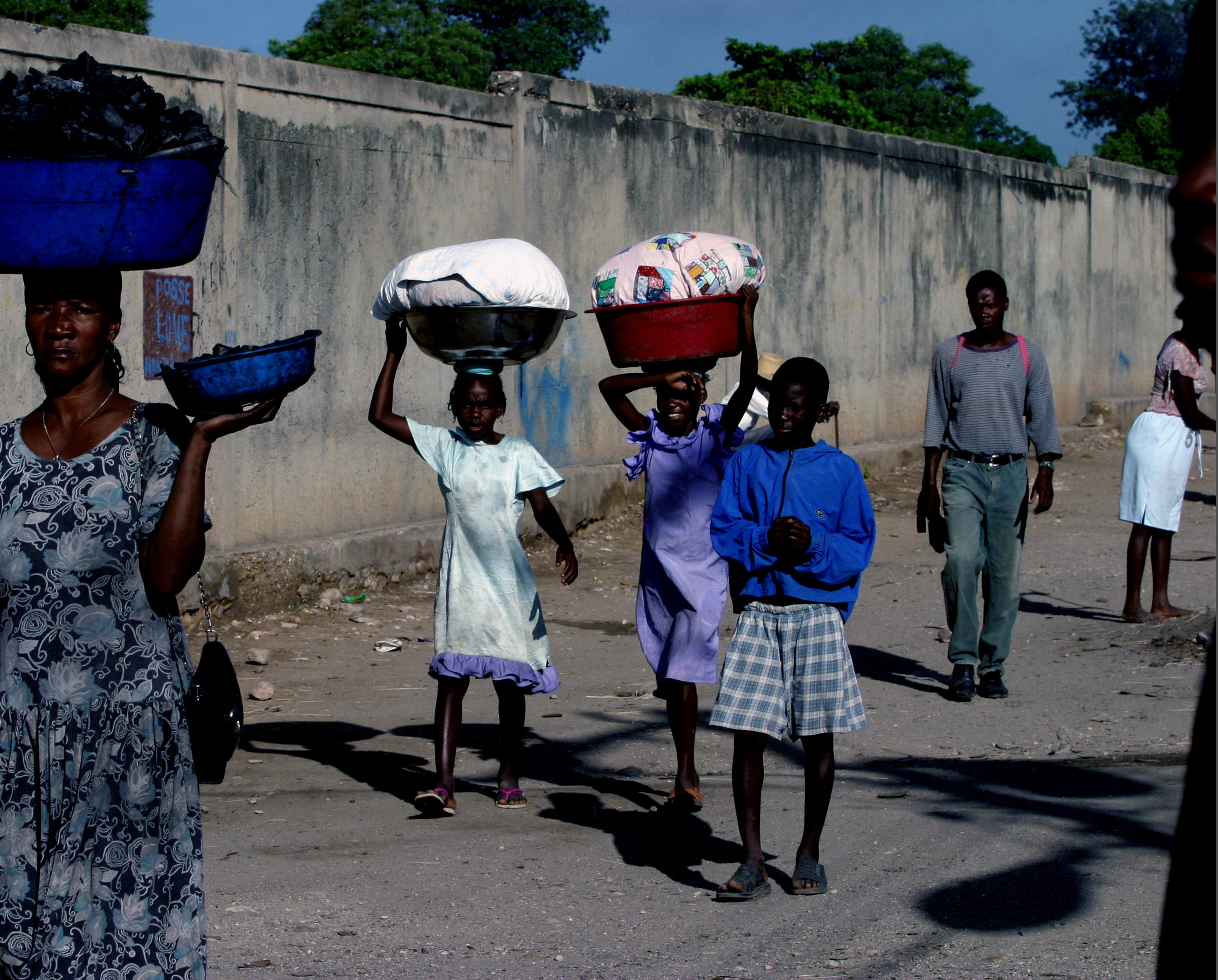
A mother carries cooking embers with her children following behind, on a main street in Port-au-Prince,Haiti. This photograph was recorded after the UN exhibit. However, it illustrates one of the main points in my presentation which I will deliver in Oxford, England, next month. Digital image, photo copyright, Ana Elisa Fuentes
A Haitian hurricane survivor waits for medical attention, at a refugee camp, in Jimani, Dominican Republic. Digital image copyright, Ana Elisa Fuentes. This photograph was recorded after the UN exhibit. However, it illustrates one of the main points in my presentation which I will deliver in Oxford, England, next month. Photography copyright, Ana Elisa Fuentes
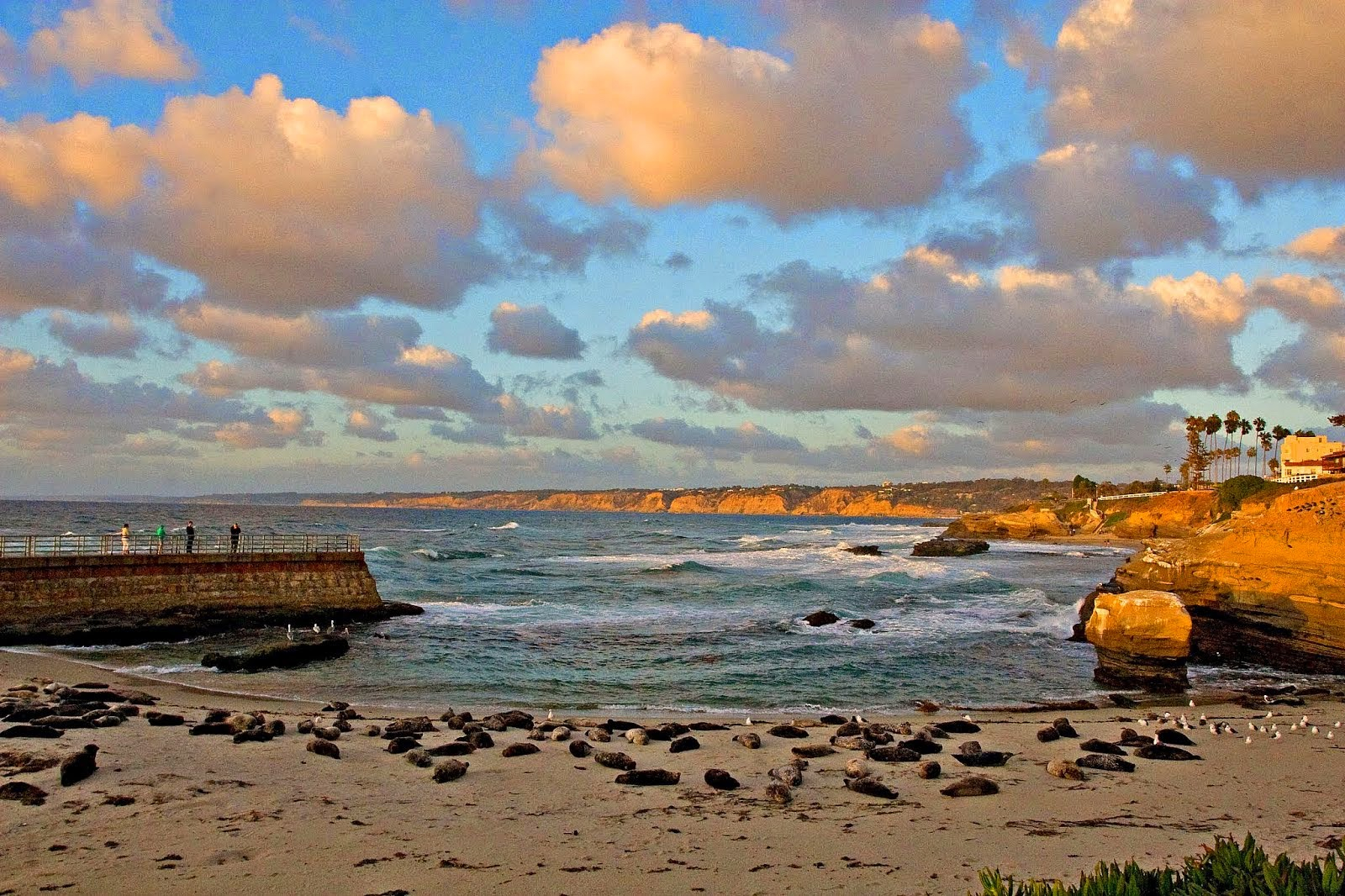
Photograph of Anacapa Island which is one of fives islands that make up the Channel Islands located off the coast of southern California, along the Santa Barbara Channel. Photo copyright Ana Elisa Fuentes
Published on May 24th 2015: The Mic has quoted NPR “This spill is particularly bad news because it strikes at the Santa Barbara Channel, which NPR calls “one of the most biologically rich places on the planet.”
According to the National Park Service website the Santa Barbara Channel Islands: “Channel Islands National Park has more endangered species that only exist within this park than any other unit of the National Park Service. This means that survival of these plants and animals depends entirely on our ability to protect and restore the habitat of the five park islands.“



















 AnaElisa