Category Archives: #oceanacidification

Katrina10 – Children, Education and Toxic Metals

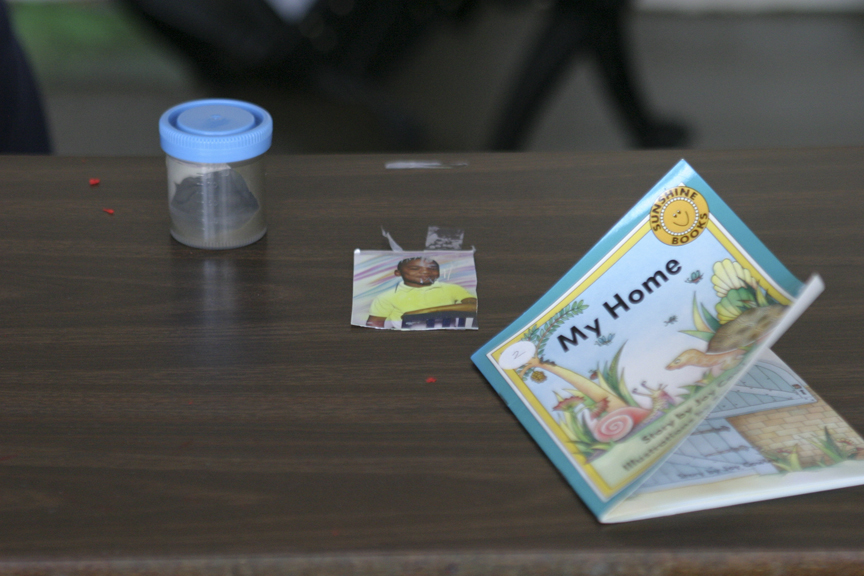
BAY ST. LOUIS, MS -- SEP 12, 2005: A soil sample is placed on a desk in the kindergarten classroom at Secondary Elementary School in Bay St. Louis, MS on Monday September 12, 2005. Samples were collected to look for heavy metals and toxins. PHOTO: Ana Elisa Fuentes for The New York Times.

BAY ST. LOUIS, MS — SEP 12, 2005: A soil sample is placed on a desk in the kindergarten classroom at Secondary Elementary School in Bay St. Louis, MS on Monday September 12, 2005. PHOTO: Ana Elisa Fuentes for The New York Times.

BAY ST. LOUIS, MS -- SEP 12, 2005: Gene Herring, Environmental Engineer with the Mississippi Department of Health takes a soil sample from the kindgergarten classroom at Secondary Elementary School in Bay St. Louis, MS on Monday September 12, 2005. Samples were collected to look for heavy metals and toxins. PHOTO: Ana Elisa Fuentes for The New York Times.

BAY ST. LOUIS, MS — SEP 12, 2005: Gene Herring, Environmental Engineer with the Mississippi Department of Health takes a soil sample from the kindgergarten classroom at Secondary Elementary School in Bay St. Louis, MS on Monday September 12, 2005. Samples were collected to check for heavy metals and toxins.
PHOTO: Ana Elisa Fuentes for The New York Times.
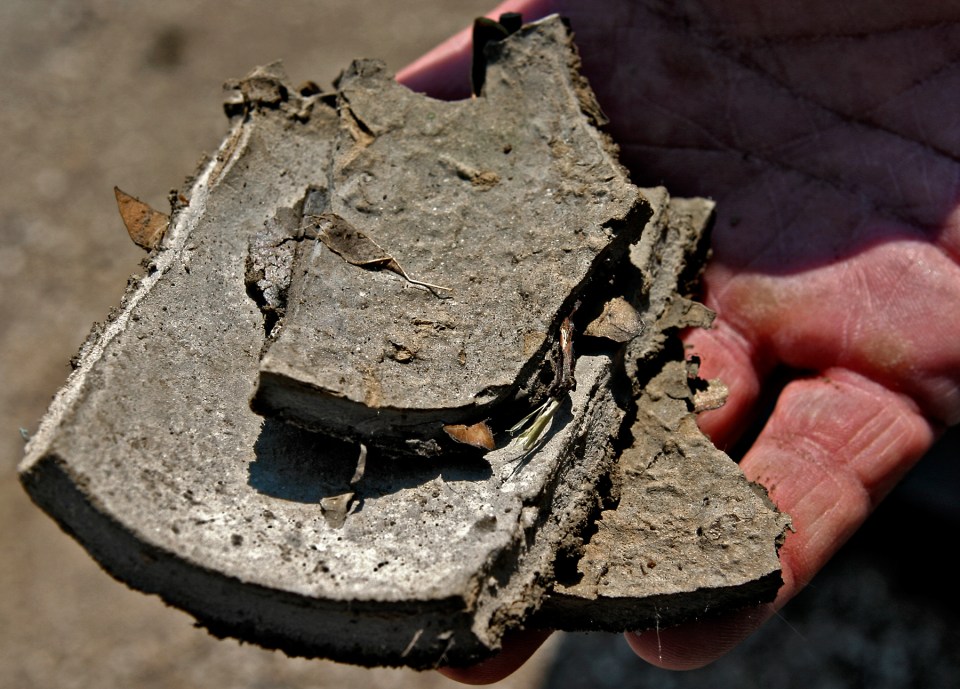
BAY ST. LOUIS, MS -- SEP 12, 2005: Gene Herring, Environmental Engineer with the Mississippi Department of Health holds a clay sample washed to shore from the

BAY ST. LOUIS, MS — SEP 12, 2005: Gene Herring, Environmental Engineer with the Mississippi Department of Health holds a clay sample washed to shore from the “bottom of the Mississippi sound” – the area of water between the barrier islands and the shore. Samples were taken to test for heavy metals and toxins released from the hurricanes storm surge. Samples were collected at Secondary Elementary School in Bay St. Louis, MS on Monday September 12, 2005.
PHOTO: Ana Elisa Fuentes for The New York Times.

GULFPORT, MS -- SEP 9. 2005: GULFPORT, MS -- SEP 9, 2005: DR. Alan Manevitz, psychiatrist from New York, New York, embraces Frances Fields, epidemiology nurse, district two of Tupelo, Mississippi. Both are members of the Mississippi Emergency Agencies on the gulf coast. Photo: Ana Elisa Fuentes for the New York TImes.

GULFPORT, MS — SEP 9. 2005: Dr. Alan Manevitz, psychiatrist from New York, New York, embraces Frances Fields, an epidemiology nurse, from district two, Tupelo, Mississippi. Both are members of the Mississippi Emergency Agencies on the gulf coast. Dr. Manevitz, is a trauma expert who worked with the public during 9/11; volunteered to assist during hurricane Katrina. Photo: Ana Elisa Fuentes for the New York Times.

 Photos copyright Ana Elisa Fuentes
Views from Air and Water

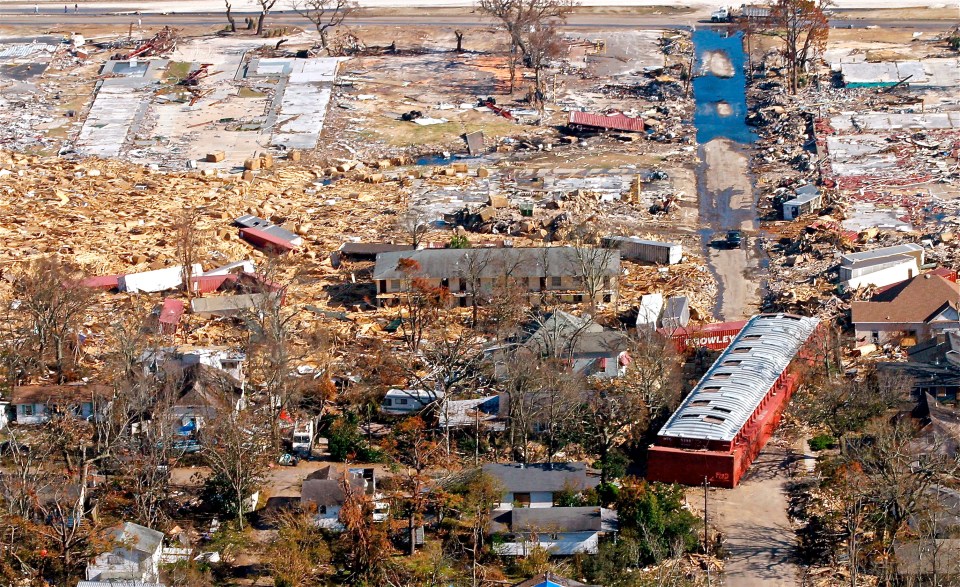
Aerial view of devastation caused by hurricane Katrina, over Gulfport, Mississippi on Sunday September 11, 2005. The long red/orange object to the right, is a barge that served as a gambling casino. The water and winds from the hurricane relocated the casino to a different neighborhood.

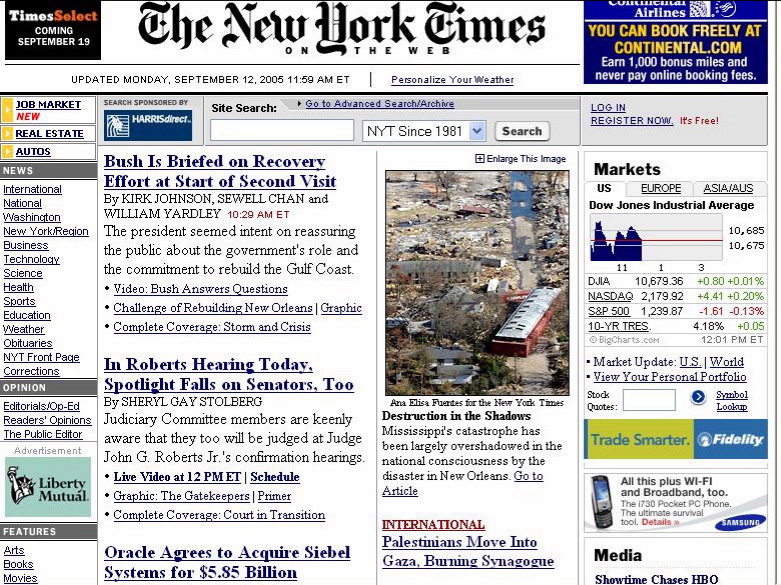
ny times front page ms

This is what the front page looked like.

Dap Dang, of Biloxi, Mississippi, paddles his skiff to assess the damages done by hurricane Katrina to the family shrimping business,

in  Gulfport, Mississippi,  on Friday, September 9, 2005.

IMG_8115

Throwback Thursday – with all the chatter about the upcoming anniversary of hurricane Katrina, I started going over my photo archive and

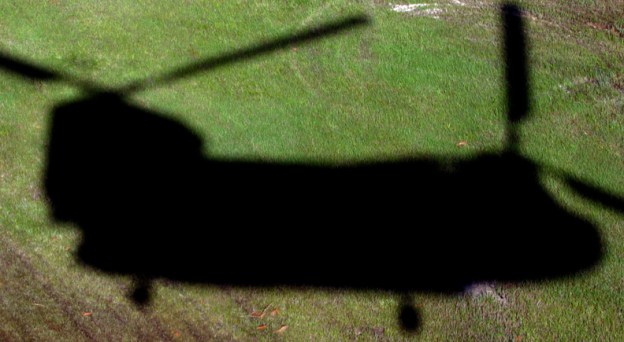
rediscovered this photo of me sitting on the tail of a Chinook helicopter, which served as  my photography vantage point while on assignment, flying with the Ohio National Guard.

 One of the best times in my life ever!

Recorded on September 11, 2005.

Hard to believe ten years have gone by.

wIMG_8084

The Chinook preparing to land in New Orleans, bearing 14 tons of supplies and yours truly. The stench from above was foul.

Anacapa Island

IMG_1407

Photograph of Anacapa Island which is one of fives islands that make up the Channel Islands located off the coast of southern California, along the Santa Barbara Channel. Photo copyright Ana Elisa Fuentes

Published on May 24th 2015: The Mic has quoted NPR “This spill is particularly bad news because it strikes at the Santa Barbara Channel, which NPR calls “one of the most biologically rich places on the planet.”

According to the National Park Service website the Santa Barbara Channel Islands: “Channel Islands National Park has more endangered species that only exist within this park than any other unit of the National Park Service. This means that survival of these plants and animals depends entirely on our ability to protect and restore the habitat of the five park islands.“

Photograph copyright Ana Elisa Fuentes