Positively Green Education

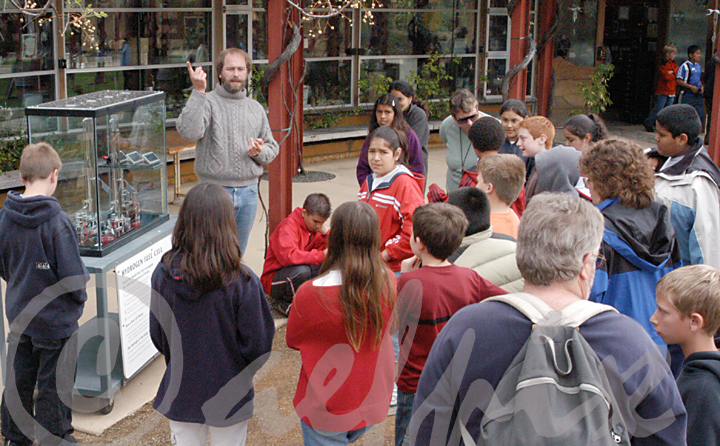
Absolutely! What about green education? How do we encourage the inquisitiveness and focus captured in this photograph? How do we SUSTAIN this? In addition to the emerging sustainable and renewable energies we need an educational curriculum for children to match it.

The earlier the introduction the better. It is only fair. It is the children who are the heirs to our global catastrophe.

The earlier the better. These children appear focused while having fun. Listening to the Coyote medicine songs and stories. The photographs were taken on assignment some years ago at the Solar Living Institute in Hopland, California. An Earth Day school field trip brought 400 students to learn about the emerging green technologies while having fun. Above, children look at a Hydrogen technology exhibit, which points out that water vapor is the only emission. As you know the German car manufacturer BMW has created a water fueled vehicle, called the Hydrogen 7. You can go for a test drive here. (the video is ten minutes long). Keep reading please, because children are important. In some cultures it is the health of the children that measures the success of that tribe, culture, or village. Listen/see another video on what Native American youth have to say. Please go here.

A one day field trip like this can leave a life-long, lasting impression. Can you imagine what a child friendly math/science/green/school textbook would look like? If you can then perhaps you might consider writing one. Above, Adam Locker a teacher and Photovoltaic energy installer encourages children to pedal a stationary bicycle to generate electricity. The screens display the kilowatts generated through their cycling efforts. Wow! This stationary cycling teaches children the correlation between exercise, healthy living, and energy generation. Energy generation rather than consumption.

Below Doug Livingston, a power and systems design consultant explains hydrogen technology, to third and fourth graders. How Positive!

All my relations.
Images ©Ana Elisa Fuentes/aefpix

Positively Green: All That Glitters Is Green


“The chief function of the body is to carry the brain around,” wrote inventor Thomas Alva Edison. He went on to add, “great ideas originate in the muscles.”

Interesting notions.

Well, if you add fashion to this equation you might find yourself at the Environmental Media Awards, where all that glitters is green.

Not your normal red carpet event, the website boasts a quote from former Vice President Al Gore, “I greatly admire the work of this organization. No group has had a larger impact on the thinking Americans bring to the environment, on the way we, as a nation, converse with the problems that beset the environment.” – Vice President Al Gore.

Not a bad recommendation.

It is in the Hollywood d.n.a. to champion the causes of the less fortunate, often bringing their stellar off screen presence to spotlight the afflictions and illnesses within our humanity with the aspiration to empower us as individuals to take action rather than succumb to or fall victim to apathy.

Yet, falling into the rabbit hole of apathy could prove to be our own very worse downfall. Indeed in this scenario, we all could be, every single one of us, one of the less fortunate. We as every day people of our planet could be virtually displaced. Homeless, hungry, thirsty. Eco-refugees.

Never has a call to action been so loud. An imperative. Never has the figure of speech “walk your talk” been so literal. Indeed, all of these figures, these very embodiments of brains, muscle, and fashion do walk their talk, positively.

Words + photos © Ana Elisa Fuentes/Aefpix.
Photographed for Fashion Wire Daily.
If you like what you have read please vote here.

Positively Green is a visual project in development dedicated to documenting stories like this one. Stories of the innovators, communities, individuals and organizations living Global Greening a life choice committed to the reversing global warming.

Positively Green: Haiti

HAITI: CHAVANNES JEAN-BAPTISTE

Yes Haiti. Haiti is Positively Green.

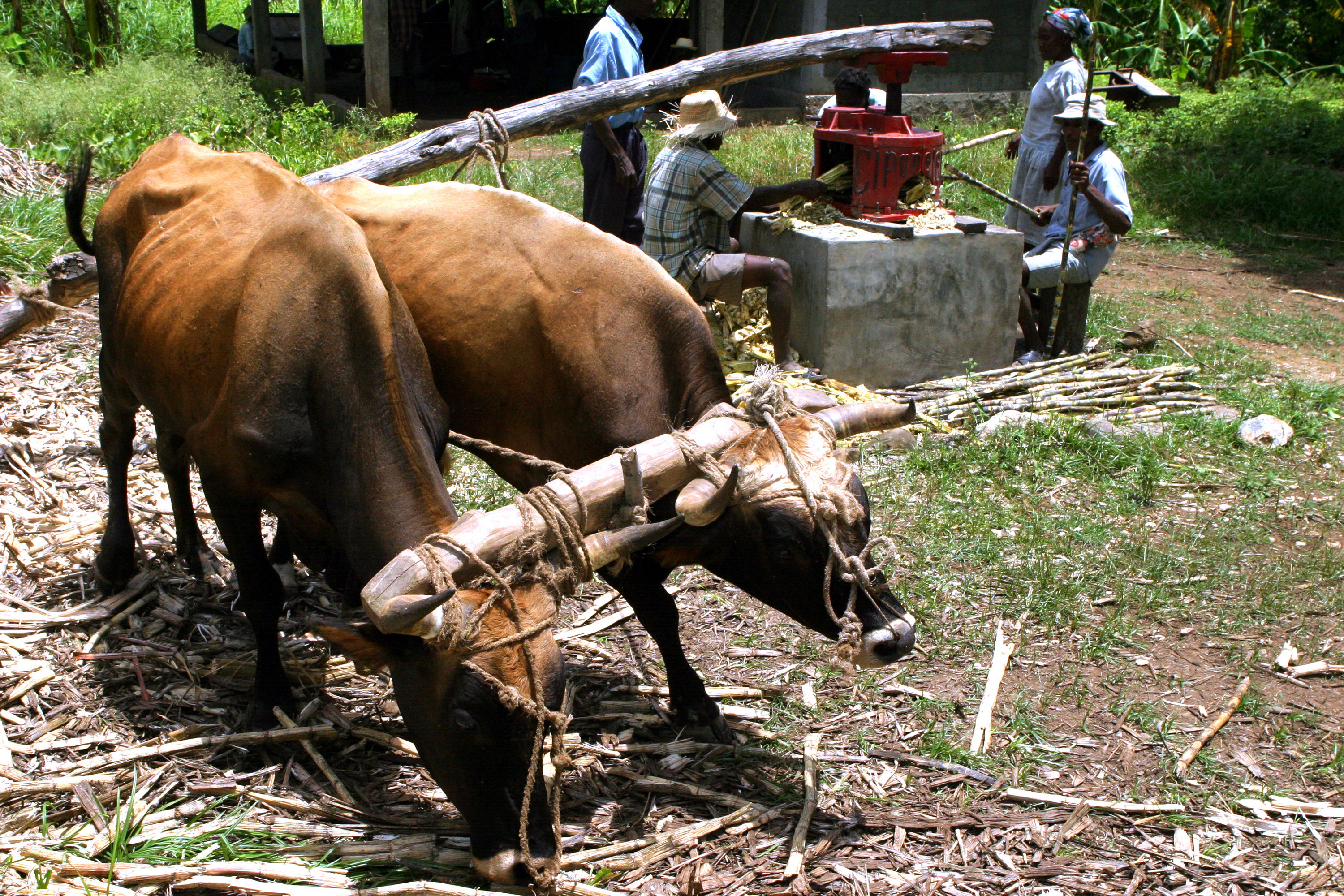
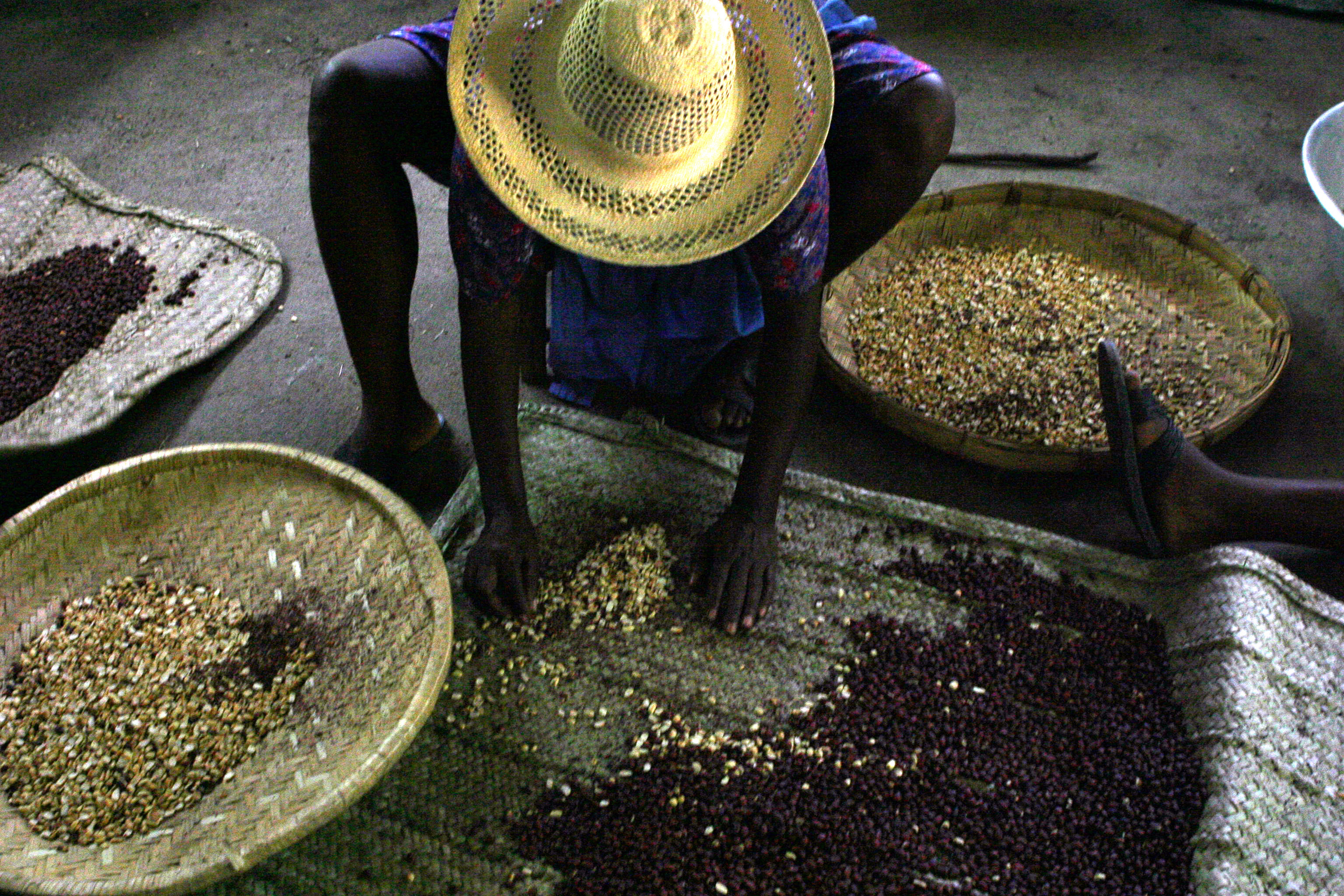
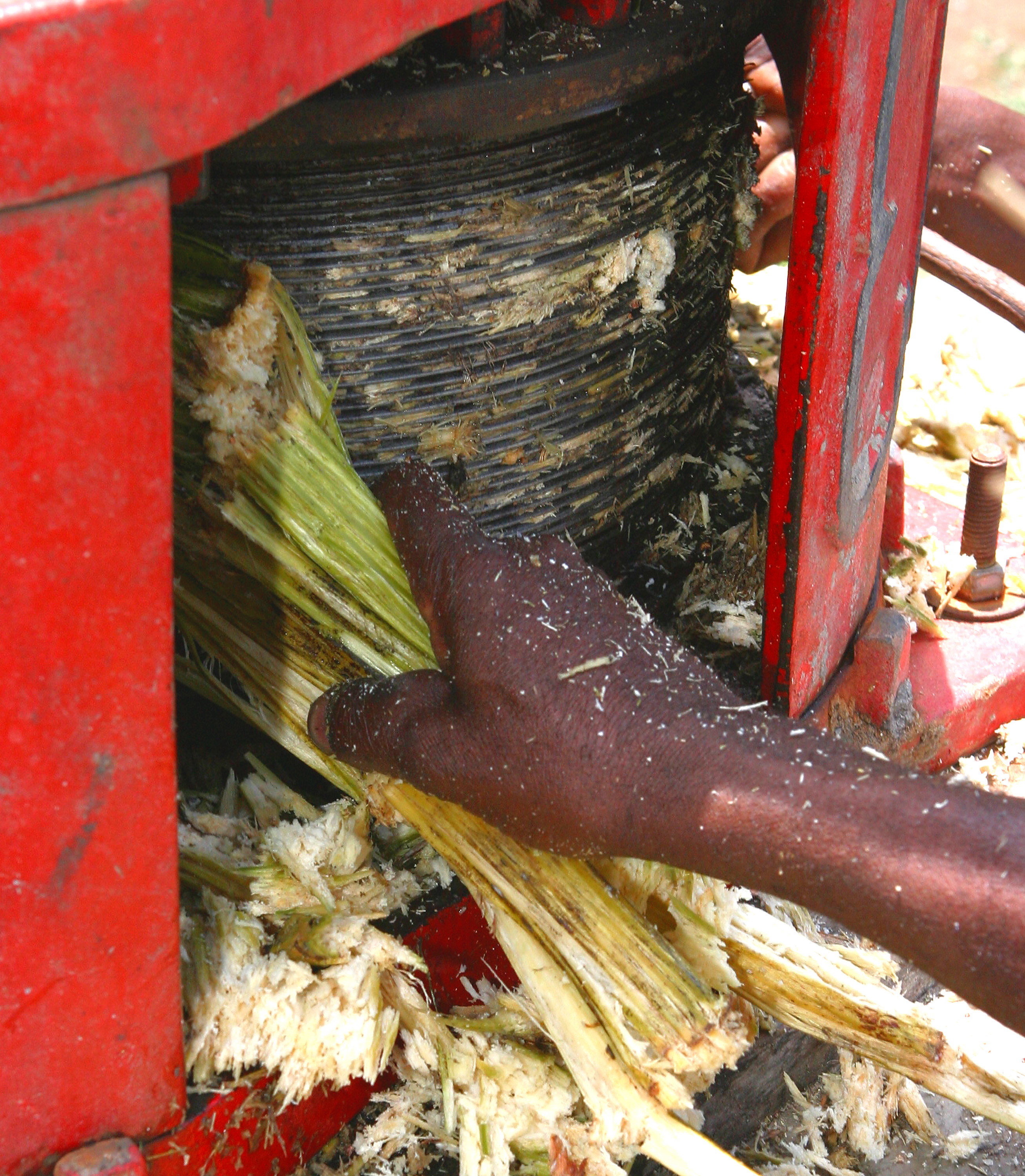
The Mouvman Peyizan Papay (MPP) or Peasant Movement of Papay is the oldest and largest cooperative movement in Haiti. With 60,000 members , the 35 year-old collective is situated in the central plateau. The mission of MPP is to educate and provide sound economic alternatives to the people of Haiti, while promoting environmental, sustainable, and renewable agriculture and gender equality. No individuals may join MPP only collectives. Here, Kopa Bwa Ferye is a 50 acre sugar cane cooperative formed by former Haitians who labored in the bateys in the Dominican Republic. Pooling their land resources, the cooperative model empowered the former farmers in servitude by offering them an economic model based on cooperation as means to self-reliance. Sugar cane is pressed for syrup while its by-products are used for heating and fuel for animals. Stiffer portions are used to stoke the cooking fire, while the animals eat the pulp as they provide the energy for the press. Agronomist Chavannes Jean-Baptiste is the founder of MPP. In 2005, he was awarded

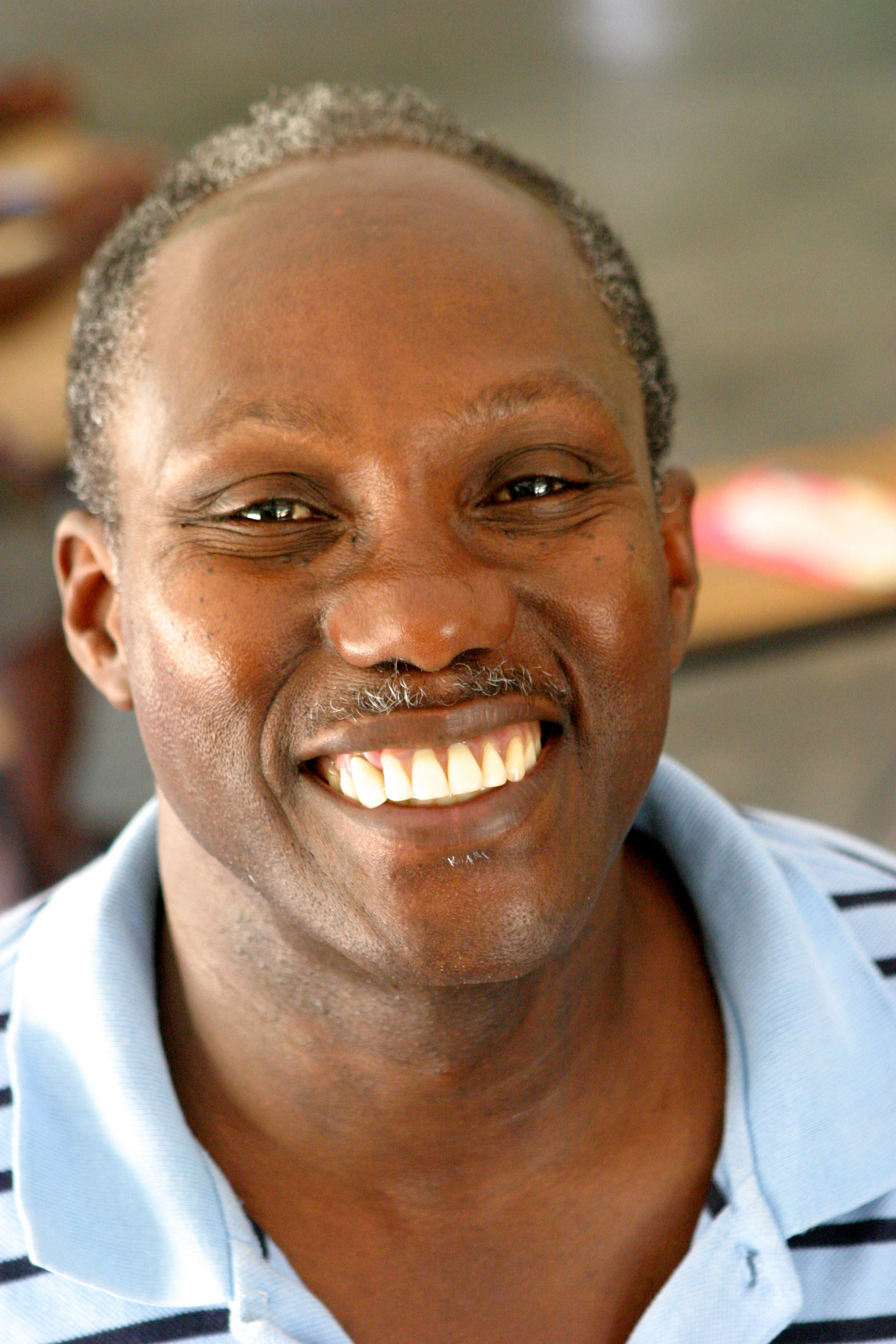
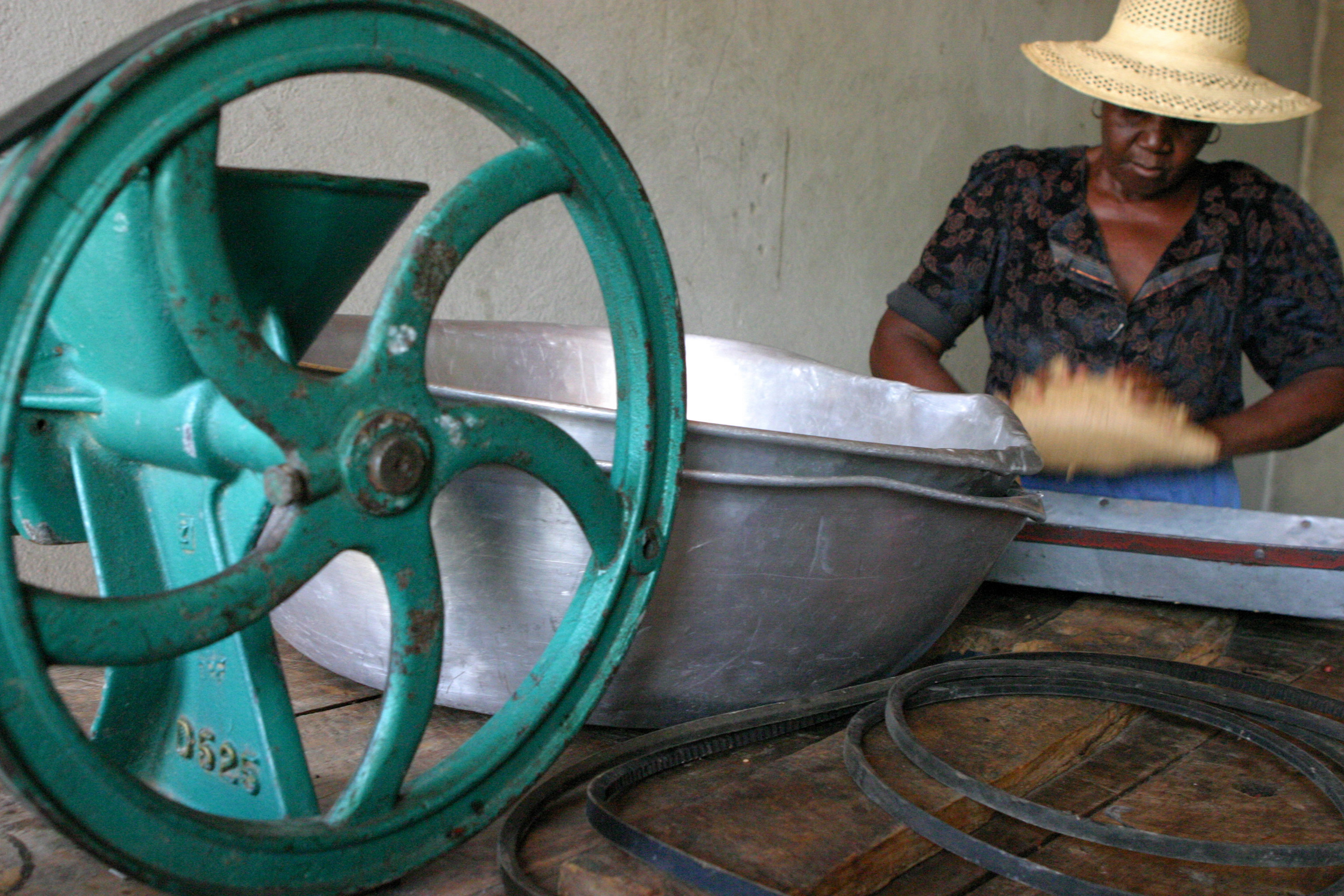
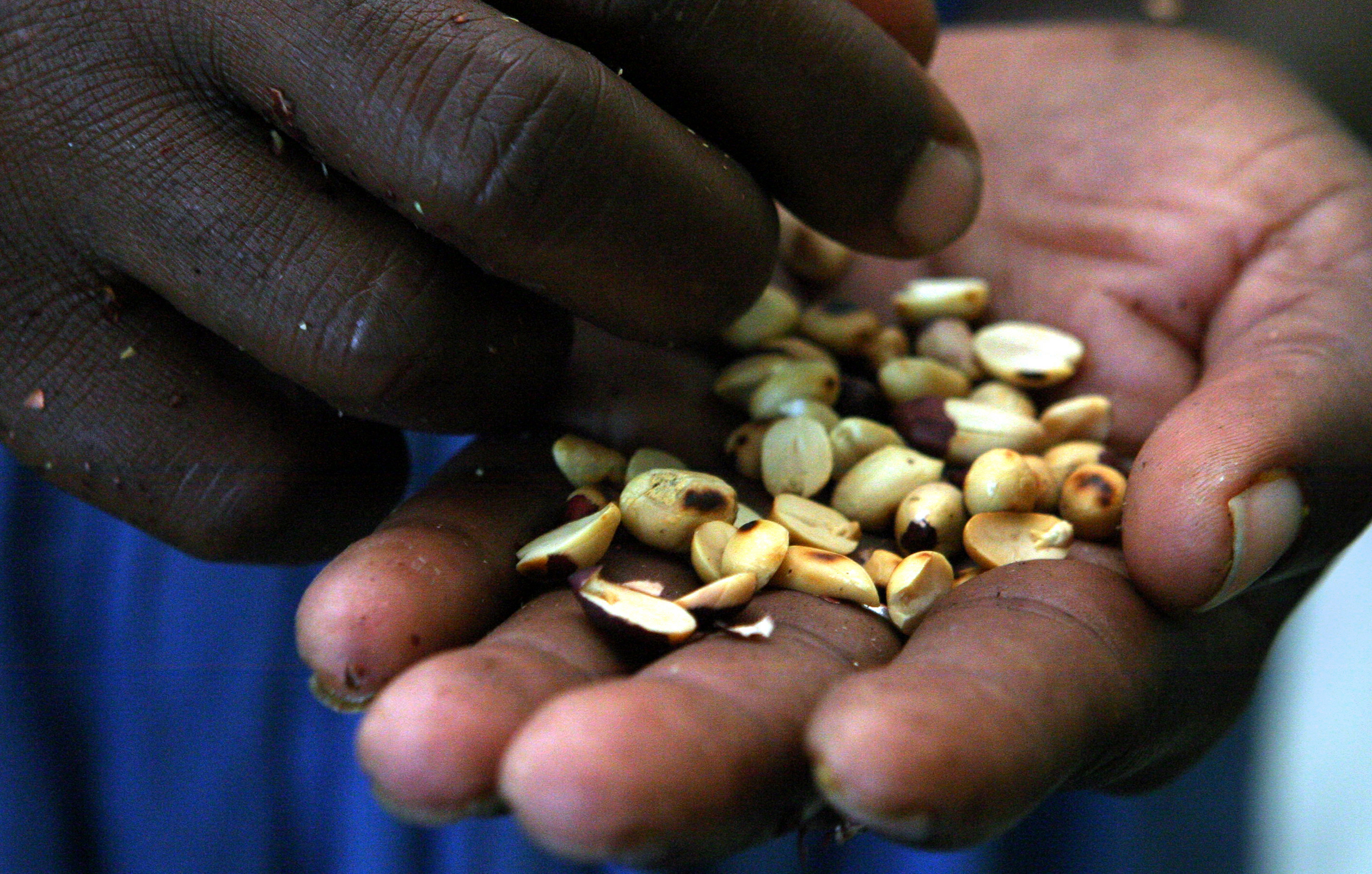
the Goldman Environmental Prize for his work in sustainable agriculture. Despite the changing political climate, deforestation and violence, Chavannes Jean-Baptiste and MPP have championed the cause in providing economic self reliance while promoting renewable and sustainable agriculture. Madame Frederic is one of three women who form the KOPA Mache Lakay, or the home market cooperative. Peanuts are double roasted, ground, then jarred and sold to markets in their region. Haiti is the poorest country in the Western hemisphere. The deforestation of this island nations has resulted in numerous hazardous environmental repercussions vital to the survival of it’s inhabitants. It is the through the vision of individuals like Chavannes Jean-Baptiste that solutions to our global environmental crisis depends.

Papay, Haiti: Agronomist Chavannes Jean-Baptiste, 58, founder of the Peasant Movment in Papay (MPP) is one of six recepients of the Goldman Environmental Prize, announced in San Francisco, CA on Monday April 18th, 2005. Mr. Baptiste was given the award for his work in sustainable agriculture. MPP is a 30 year-old organization, with 60,000 members. PHOTO: ANA ELISA FUENTES/GAMMA-PRESSE

.

Papay, Haiti: The Mouvman Peyizan Papay or the Pesant Movement of Papay is the oldest and largest pesant movement in Haiti. The cooperative is 30 years-old, with 60,000 members, and a classroom located in the heart of the Haiti, the central plateau. The goal of MPP is to educate, provide sound economic alternatives to the people of Haiti, while promoting enviornmental sustainable agriculture and gender equality.  No individual may join MPP, only collectives. Pictured here is Madame Justame, one of three women who form the KOPA Pwodisyon Mache Lakay, or

Papay, Haiti: The Mouvman Peyizan Papay or the Pesant Movement of Papay is the oldest and largest pesant movement in Haiti. The cooperative is 30 years-old, with 60,000 members, and a classroom located in the heart of the Haiti, the central plateau. The goal of MPP is to educate, provide sound economic alternatives to the people of Haiti, while promoting enviornmental sustainable agriculture and gender equality. No individual may join MPP, only collectives. Pictured here is Madame Justame, one of three women who form the KOPA Pwodisyon Mache Lakay, or “home market, ” a peanut cooperative. She prepares the peanut dough for grinding it into butter. Agronomist Chavannes Jean-Baptiste, 58, founder of the Peasant Movment in Papay (MPP) is one of six recepients of the Goldman Environmental Prize, announced in San Francisco, CA on Monday April 18th, 2005. Mr. Baptiste was given the award for his work in sustainable agriculture. MPP is a 30 year-old organization, with 60,000 members.

Papay, Haiti: The Mouvman Peyizan Papay or the Pesant Movement of Papay is the oldest and largest pesant movement in Haiti. The cooperative is 30 years-old, with 60,000 members, and a classroom located in the heart of the Haiti, the central plateau. The goal of MPP is to educate, provide sound economic alternatives to the people of Haiti, while promoting enviornmental sustainable agriculture and gender equality.  No individual may join MPP, only collectives. Pictured here is Madame Frederic, one of three women who form the KOPA Pwodisyon Mache Lakay, or

Papay, Haiti: The Mouvman Peyizan Papay or the Pesant Movement of Papay is the oldest and largest pesant movement in Haiti. The cooperative is 30 years-old, with 60,000 members, and a classroom located in the heart of the Haiti, the central plateau. The goal of MPP is to educate, provide sound economic alternatives to the people of Haiti, while promoting enviornmental sustainable agriculture and gender equality. No individual may join MPP, only collectives. Pictured here is Madame Frederic, one of three women who form the KOPA Pwodisyon Mache Lakay, or “home market, ” a peanut cooperative.Agronomist Chavannes Jean-Baptiste, 58, founder of the Peasant Movment in Papay (MPP) is one of six recepients of the Goldman Environmental Prize, announced in San Francisco, CA on Monday April 18th, 2005. Mr. Baptiste was given the award for his work in sustainable agriculture. MPP is a 30 year-old organization, with 60,000 members.
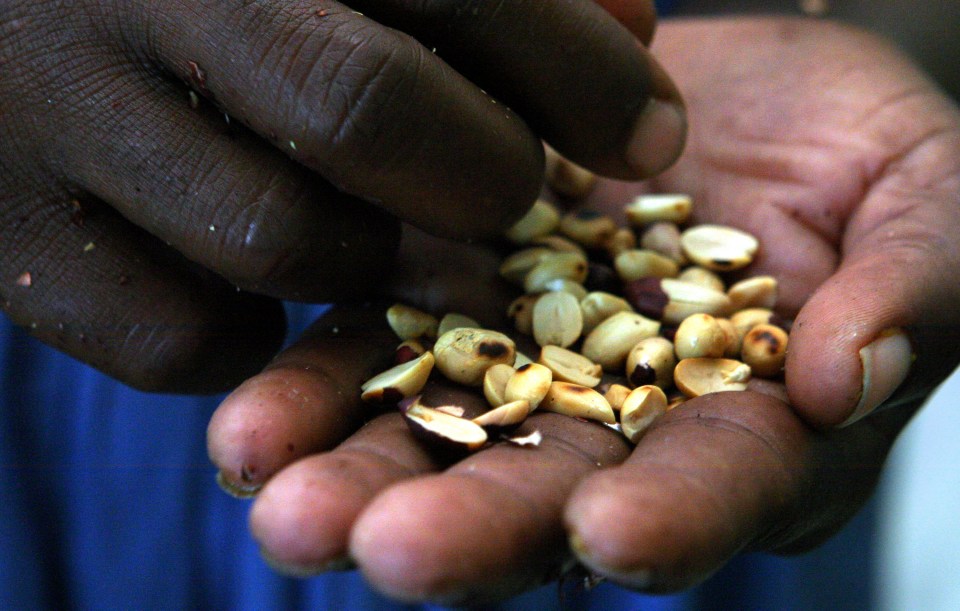
Papay, Haiti: The Mouvman Peyizan Papay or the Pesant Movement of Papay is the oldest and largest pesant movement in Haiti. The cooperative is 30 years-old, with 60,000 members, and a classroom located in the heart of the Haiti, the central plateau. The goal of MPP is to educate, provide sound economic alternatives to the people of Haiti, while promoting enviornmental sustainable agriculture and gender equality.  No individual may join MPP, only collectives. Pictured here is Madame Frederic, one of three women who form the KOPA Pwodisyon Mache Lakay, or

Papay, Haiti: The Mouvman Peyizan Papay or the Pesant Movement of Papay is the oldest and largest pesant movement in Haiti. The cooperative is 30 years-old, with 60,000 members, and a classroom located in the heart of the Haiti, the central plateau. The goal of MPP is to educate, provide sound economic alternatives to the people of Haiti, while promoting enviornmental sustainable agriculture and gender equality. No individual may join MPP, only collectives. Pictured here is Madame Frederic, one of three women who form the KOPA Pwodisyon Mache Lakay, or “home market, ” a peanut cooperative.Agronomist Chavannes Jean-Baptiste, 58, founder of the Peasant Movment in Papay (MPP) is one of six recepients of the Goldman Environmental Prize, announced in San Francisco, CA on Monday April 18th, 2005. Mr. Baptiste was given the award for his work in sustainable agriculture. MPP is a 30 year-old organization, with 60,000 members.
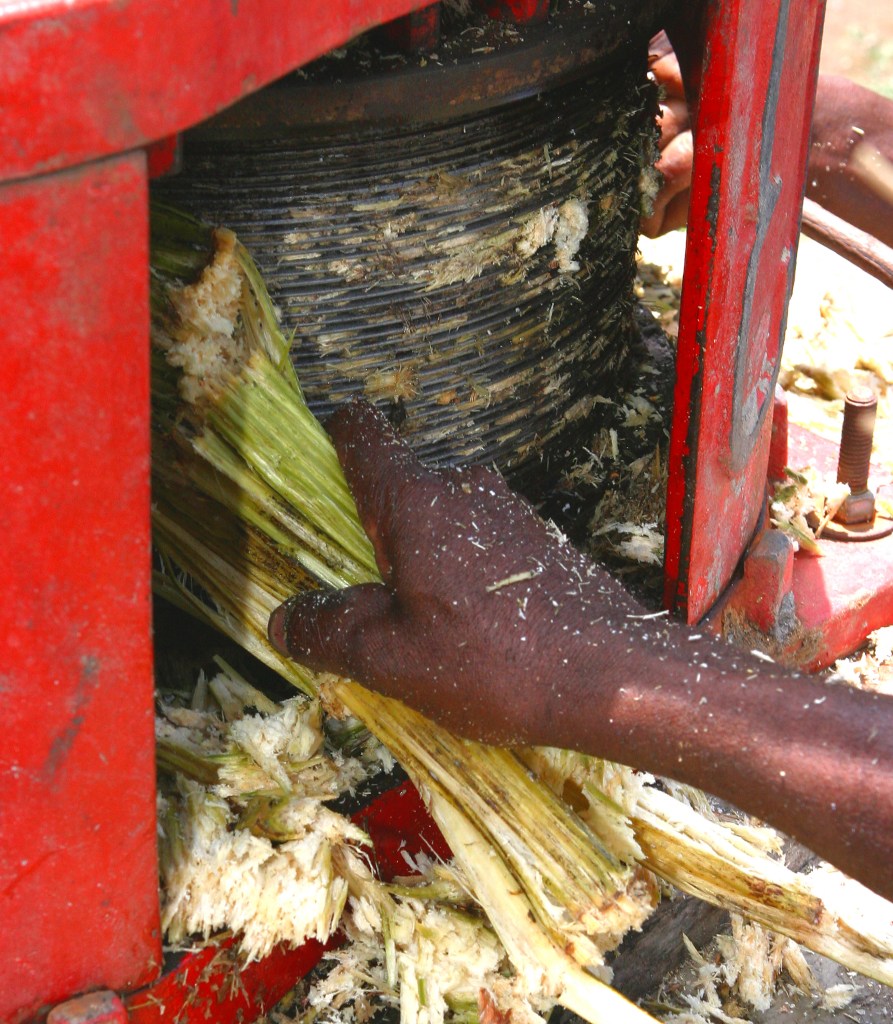
Papay, Haiti: Recycled sugar cane is used as food for animals and fuel for cooking -- stiffer portions is used to feed the cooking fire, while the pulp is given to the Ox, to chew while they work, much like humans chew gum. The Mouvman Peyizan Papay or the Pesant Movement of Papay is the oldest and largest pesant movement in Haiti. The cooperative is 30 years-old, with 60,000 members, and a classroom located in the heart of the Haiti, the central plateau. The goal of MPP is to educate, provide sound economic alternatives to the people of Haiti, while promoting enviornmental sustainable agriculture and gender equality.  No individual may join MPP, only collectives. Agronomist, Chavannes Jean-Baptiste, founder of  the Peasant Movment in Papay (MPP) is one of six recepients of the 2005 Goldman Environmental Award, announced in San Francisco, CA on Monday April 18th, 2005. Mr. Baptiste was given the award for his work in sustainable agriculture.  PHOTO: ANA ELISA FUENTES/GAMMA-PRESSE

Papay, Haiti: Recycled sugar cane is used as food for animals and fuel for cooking — stiffer portions is used to feed the cooking fire, while the pulp is given to the Ox, to chew while they work, much like humans chew gum. The Mouvman Peyizan Papay or the Pesant Movement of Papay is the oldest and largest pesant movement in Haiti. The cooperative is 30 years-old, with 60,000 members, and a classroom located in the heart of the Haiti, the central plateau. The goal of MPP is to educate, provide sound economic alternatives to the people of Haiti, while promoting enviornmental sustainable agriculture and gender equality. No individual may join MPP, only collectives.
Agronomist, Chavannes Jean-Baptiste, founder of the Peasant Movment in Papay (MPP) is one of six recepients of the 2005 Goldman Environmental Award, announced in San Francisco, CA on Monday April 18th, 2005. Mr. Baptiste was given the award for his work in sustainable agriculture.
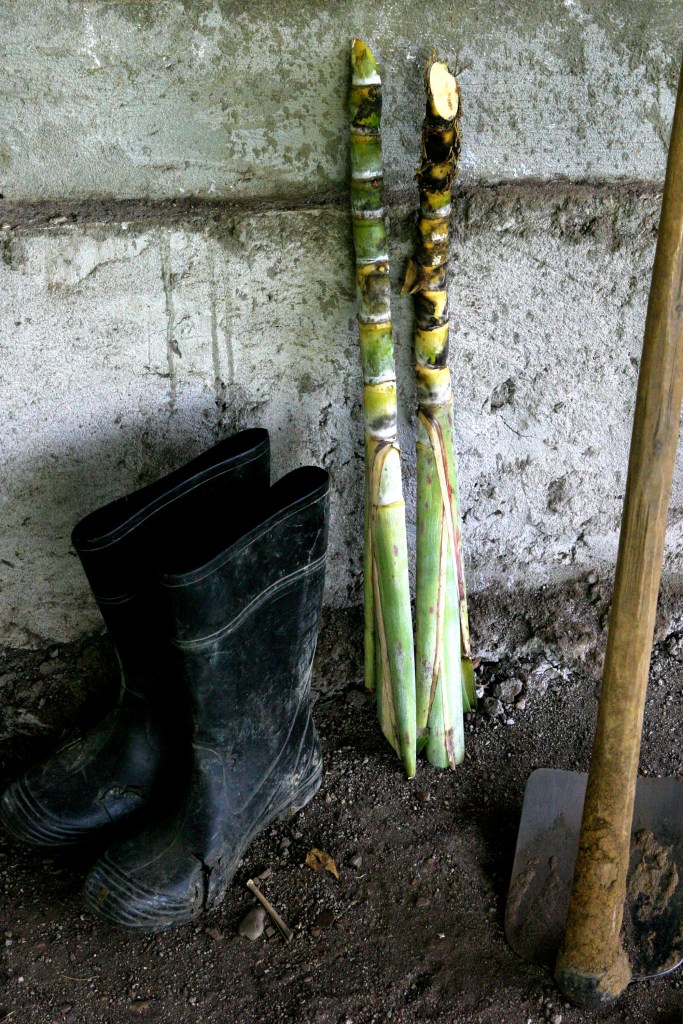
Papay, Haiti: Detail of wokers tools. The Mouvman Peyizan Papay or the Pesant Movement of Papay is the oldest and largest pesant movement in Haiti. The cooperative is 30 years-old, with 60,000 members, and a classroom located in the heart of the Haiti, the central plateau. The goal of MPP is to educate, provide sound economic alternatives to the people of Haiti, while promoting enviornmental sustainable agriculture and gender equality.  No individual may join MPP, only collectives. Agronomist, Chavannes Jean-Baptiste, founder of  the Peasant Movment in Papay (MPP) is one of six recepients of the 2005 Goldman Environmental Award, announced in San Francisco, CA on Monday April 18th, 2005. Mr. Baptiste was given the award for his work in sustainable agriculture.  PHOTO: ANA ELISA FUENTES/GAMMA-PRESSE

Papay, Haiti: Detail of wokers tools. The Mouvman Peyizan Papay or the Pesant Movement of Papay is the oldest and largest pesant movement in Haiti. The cooperative is 30 years-old, with 60,000 members, and a classroom located in the heart of the Haiti, the central plateau. The goal of MPP is to educate, provide sound economic alternatives to the people of Haiti, while promoting enviornmental sustainable agriculture and gender equality. No individual may join MPP, only collectives.
Agronomist, Chavannes Jean-Baptiste, founder of the Peasant Movment in Papay (MPP) is one of six recepients of the 2005 Goldman Environmental Award, announced in San Francisco, CA on Monday April 18th, 2005. Mr. Baptiste was given the award for his work in sustainable agriculture.
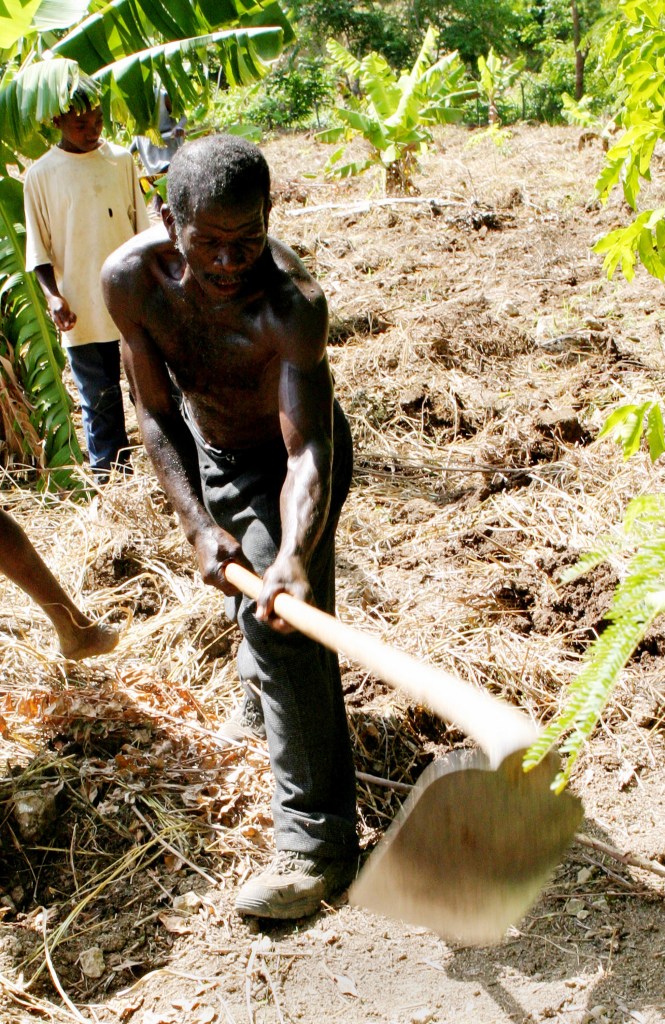
Papay, Haiti: Jasma, of Kopa Koton, MPP's oldest and formative cooperative, prepares the soil for the planting of corn.. The Mouvman Peyizan Papay or the Pesant Movement of Papay is the oldest and largest pesant movement in Haiti. The cooperative is 30 years-old, with 60,000 members, and a classroom located in the heart of the Haiti, the central plateau. The goal of MPP is to educate, provide sound economic alternatives to the people of Haiti, while promoting enviornmental sustainable agriculture and gender equality.  No individual may join MPP, only collectives. Agronomist, Chavannes Jean-Baptiste, founder of  the Peasant Movment in Papay (MPP) is one of six recepients of the 2005 Goldman Environmental Award, announced in San Francisco, CA on Monday April 18th, 2005. Mr. Baptiste was given the award for his work in sustainable agriculture.  PHOTO: ANA ELISA FUENTES/GAMMA-PRESSE

Papay, Haiti: Jasma, of Kopa Koton, MPP’s oldest and formative cooperative, prepares the soil for the planting of corn.. The Mouvman Peyizan Papay or the Pesant Movement of Papay is the oldest and largest pesant movement in Haiti. The cooperative is 30 years-old, with 60,000 members, and a classroom located in the heart of the Haiti, the central plateau. The goal of MPP is to educate, provide sound economic alternatives to the people of Haiti, while promoting enviornmental sustainable agriculture and gender equality. No individual may join MPP, only collectives.
Agronomist, Chavannes Jean-Baptiste, founder of the Peasant Movment in Papay (MPP) is one of six recepients of the 2005 Goldman Environmental Award, announced in San Francisco, CA on Monday April 18th, 2005. Mr. Baptiste was given the award for his work in sustainable agriculture.

 ALL PHOTOGRAPHS COPYRIGHT ANA ELISA FUENTES

Positively Green: A Friend In Deed

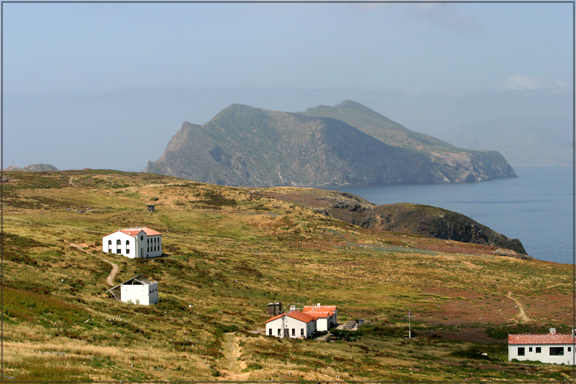
Extending like a dragons tail over the vast expanse of the Pacific Ocean, between the California shore and nowhere, is the rock bed known as Ennepah or Anacapa Island. Ennepah in the Chumash language translates to deceptive or mirage. The Coastal Chumash gave the arid landscape this name to describe the ever changing weather patterns and thus to describe it’s appearance from the coast or upon approach as seen from the perspective of a Tomol.
Ennepah is a chain of three islands, barren and uninviting.
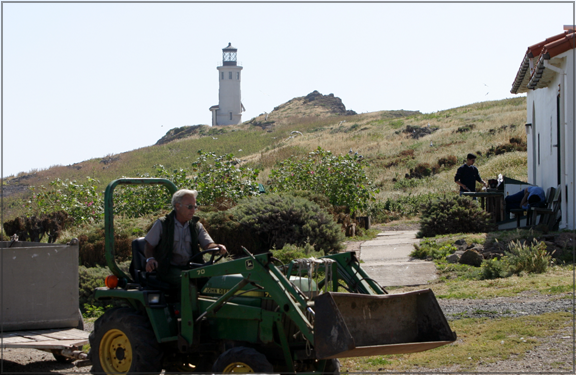
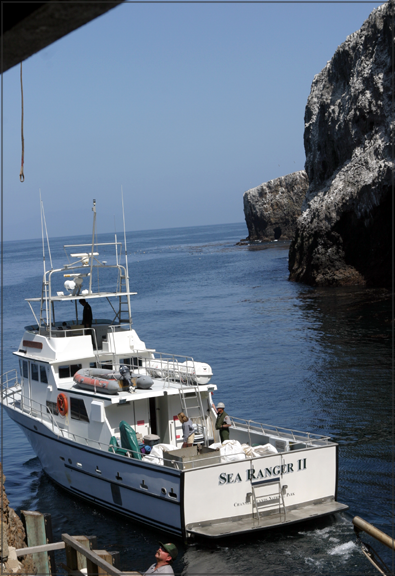
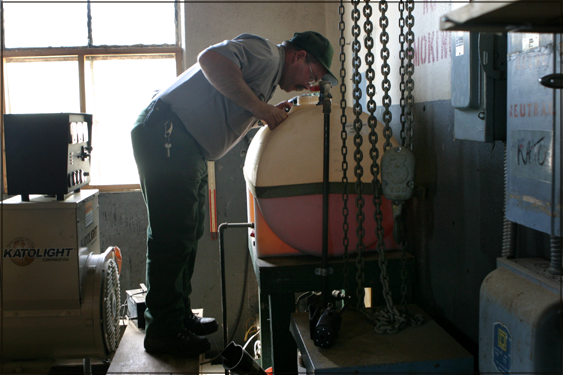
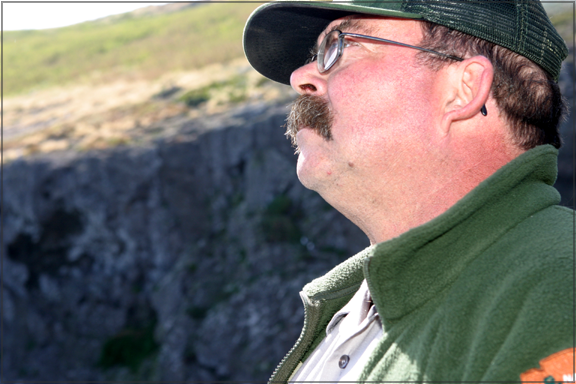
It is an island of stark beauty, jagged coastline, sweeping views and sustainable energy. Solar panels provide the electricity for park ranger and visitor housing needs. Tractors & generators are fueled by biodiesel. So is the Sea Ranger II, the 58-foot vessel operated by Channel Islands National Park. A diamond in the rough, Anacapa Island is a testimony to the commitment of environmental preservation, successful implementation of renewable and sustainable energies and the tireless commitment of it’s steward Kent Bullard. Imbued with abundant energy, drive and commitment to the sustainability of our planet, Kent is walking encyclopedia of sustainability practices and his voracity is contagious. Seen here, Kent monitors the quality and levels of Biodiesel for the islands tractor. He is the founder of the Southern California Biodiesel Users Group, a co-founder of the Los Angeles Biodisel Users Coop, and serves on the U.S. National Biodiesel Quality Assurance Board. Last but not least, Kent is my mentor and colleague and a fine example of Positively Green .


Why the Buzz Around Kate Frey?

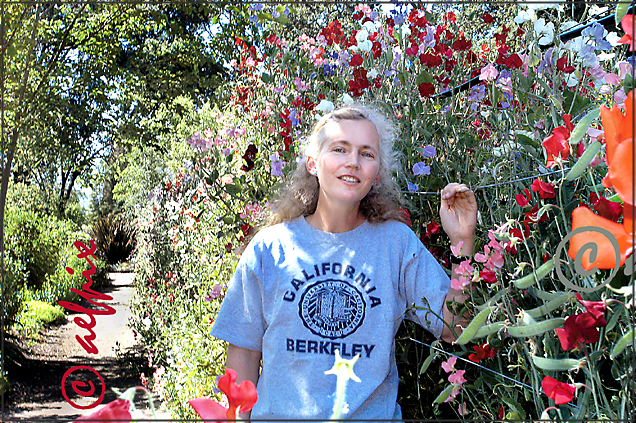
Kate Frey pictured among blooming peas at the sustainable Fetzer Valley Oaks garden in Hopland, California.

Kate Frey, has for 18 years designed and  managed the gardens at the Fetzer Valley Oaks vineyard with her award-winning bio-diverse, organic and sustainable gardening methods in Hopland, California. Her merits include gold medals at the  Royal Horticulture Society Chelsea Flower show in 2005 and 2007; and a Silver Gilt in 2003. Her colorful and sustainable gardens were not only favored by the judges but met with literal approval from Her Majesty Elizabeth ll, Queen of England, who met with her privately in 2003 and 2007.

Unassuming yet vibrant, Frey was eager to roam the gardens that gave birth to her career. There are numerous accolades attesting to her achievements but there is no mistake,  that her work is all about the love for sustainable gardening and the beneficial insects, pollinators, and birds who are the punctuation of a colorful garden palette. She likes to create what are called “bird and insect hospitable gardens.”

Since Chelsea, Frey and her husband Ben Frey have accepted invitations from the Shizouka prefecture in Japan and a consultation   with the Royal House of Saud to tailor their organic farms.

Apart from her international accolades and achievements, Frey continues to focus her commitments on the California landscape. Her gardening successes, awards, and prizes have brought her to her current position as teacher and director of Sonoma State University’s Sustainable Landscape Program with Extended Education. The program started in 2007 and issued their first Landscape program certificate in 2008. Her additional projects include presentations at the social and scientific Bioneers conference, and biodiversity specific projects such as The Melissa Garden, a honeybee sanctuary located in Healdsburg, California. Frey was commissioned to the sanctuary project because of the “pollen generator” plants and flowers that are at the heart of her garden landscape design. Pollinators are a given throughout the year, floral nourishment and an environment free from pesticides. The 40-acre ranch owned by Barbara and Jacques Schlumberger consider themselves “bee-stewards.” It is no secret, Frey said, that bees are a dwindling population in the US.”

We named the sanctuary “Melissa,” after Melissa officinalis or Lemon Balm a herbaceous planet and a favorite of bees in horticulture and mythology. Melissa, in Greek mythology who fed Zeus honey as an infant and who later transformed into a queen bee. Melissa is a Greek word meaning honeybee.

A bumblebee during buzz pollination:  the rapid movement of their wings dislodges pollen from its source.

Words and Pictures Copyright Ana Elisa Fuentes

Biofuels From The Field To The Tank


Pages from
Biodiesel From the Fields To The Tank, published on January 1, 2008. I rode from location to location froom 2007 to 2009 on my bicycle to complete this assignment and beyond. ©Ana Elisa Fuentes/aefpix

Biofuels From The Field To The Tank


Pages from
Biodiesel From the Fields To The Tank, published on January 1, 2008. I rode from location to location froom 2007 to 2009 on my bicycle to complete this assignment and beyond. ©Ana Elisa Fuentes/aefpix

22 February 2009 Editorial New York Times

Justice for American Indians

The federal government has a long history of cheating American Indians, and not all of this dirty dealing is in the distant past. On Monday, the Supreme Court hears arguments in a suit by the Navajo, who lost millions of dollars’ worth of coal royalties because the government helped a coal company underpay for their coal. A lower court ruled for the Navajo Nation. The Supreme Court should affirm that well-reasoned decision.

The Navajo’s huge reservation spreads across parts of Arizona, New Mexico and Utah. The United States holds the lands in trust and manages their large coal deposits. Peabody Coal had a lease to mine on that land. The terms provided that in 1984, the interior secretary could make a reasonable adjustment in the royalty rates paid to the tribe.

That year the department increased the royalty rate to 20 percent of gross proceeds. After Peabody protested, the Reagan administration’s interior secretary met with a Peabody lobbyist, without informing the Navajo. The secretary then signed a memo blocking the increase and called for the Navajo to negotiate with Peabody. The tribe, already under severe economic pressure, ended up agreeing to a rate of just 12.5 percent. The Navajo eventually sued, arguing that the government violated its duty to look out for their interests, and that it cost them as much as $600 million in royalties.

They lost in the Supreme Court on one set of legal theories, but are now relying on other laws. The Washington-based United States Court of Appeals for the Federal Circuit ruled for the Navajo. In a unanimous ruling, the three-judge panel concluded that several federal laws impose the sort of fiduciary duty the Indians assert.

The appeals court also made clear that the government did not live up to this duty. The ruling found that the Interior Department met “secretly with parties having interests adverse to” the Navajo, adopted those parties’ “desired course of action in lieu of action favorable to” the Navajo, and misled the Navajo about its actions.

The government’s behavior was “indefensible,” according to four former interior secretaries, who submitted a friend-of-the-court brief to the Supreme Court. The Obama administration, which has inherited the Bush administration’s position in the case, should not continue to stand up for these misdeeds.

Past Coverage

function getSharePasskey() { return ‘ex=1393131600&en=8253137fc736f24f&ei=5124’;}

function getShareURL() { return encodeURIComponent(‘http://www.nytimes.com/2009/02/23/opinion/23mon2.html’); } function getShareHeadline() { return encodeURIComponent(‘Justice for American Indians’); } function getShareDescription() { return encodeURIComponent(‘The Supreme Court should rule for the Navajo, who lost millions of dollars in royalties because the government helped a coal company underpay for their coal.’); } function getShareKeywords() { return encodeURIComponent(‘Navajo Indians,Royalties,Coal,Editorials,Supreme Court’); } function getShareSection() { return encodeURIComponent(‘opinion’); } function getShareSectionDisplay() { return encodeURIComponent(‘Editorial’); } function getShareSubSection() { return encodeURIComponent(”); } function getShareByline() { return encodeURIComponent(”); } function getSharePubdate() { return encodeURIComponent(‘February 23, 2009’); }