Category Archives: Haiti

30090206938_07f1ee3767_o.jpg

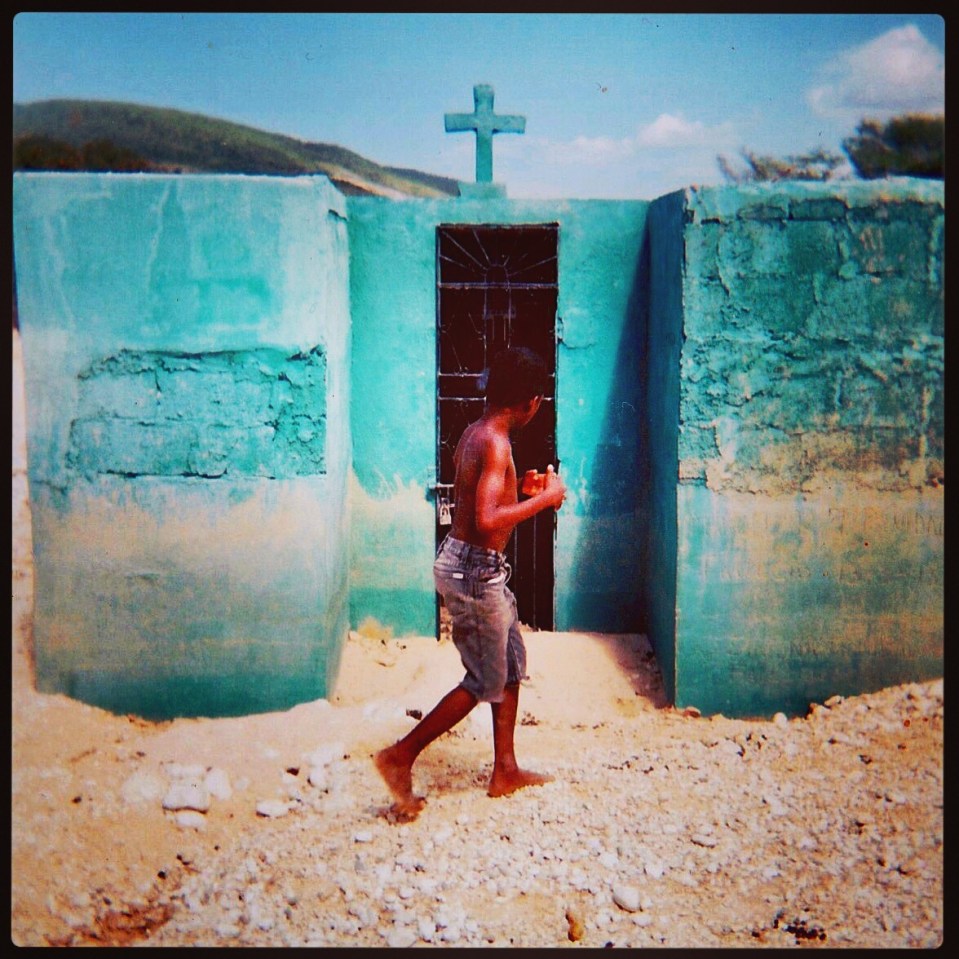
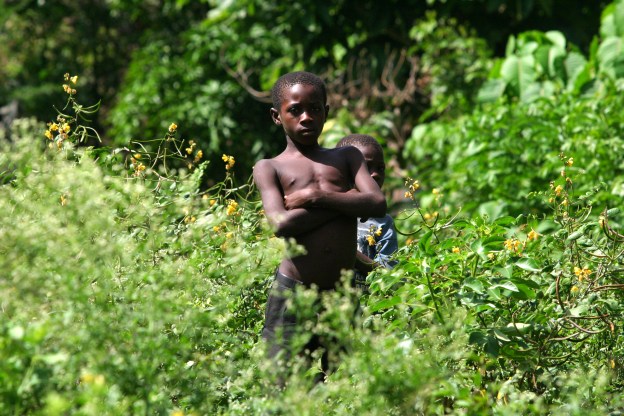
I was looking over my photos today and rediscovered this image from Haiti. I had split from my group and decided to take my Holga for a walk when I came upon a group of mausoleums. I observed the reddish-brown demarcation on the mausoleum where the floodwaters had risen,…..when from nowhere this young boy, walked into the frame. I was relieved that I was not seeing an apparition. This relief was based on my sense of rawness – from that sense of bearing witness to collective thirst, hunger, and misery. When we had arrived with our supplies we were not rushed upon as people had grown too weak… this was compounded by an eerie sense of quietude – as all the animals had either died in the flood or eaten to survive.

Image © AnaElisaFuentes/Archive

Reunion: Summer of ’64 Freedom Rides Remembered

Reblogged today Sunday August 16th, 2015 in memory of Julian Bond.

Ana Elisa Fuentes's avatarAnaElisa

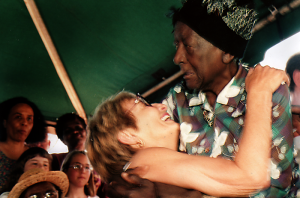
The Summer of ’64, also known as the Freedom Summer was a campaign to register voters, principally people of color and to promote and support their right-to-vote in Mississippi, in the summer of 1964. The project was a collaborative effort unifying community and civil rights leaders, students, and people of faith. Pictured are (l-r) The mother of slain CORE community voting organizer Andrew Goodman with a Mississippi community activist, youth participating in the day of remembrance and reunion, USC Academic, writer, and Mississippi civil rights Dr. Endesha Ida Mae Holland, and noted Professor, Writer and American Civil Rights Leader  Julian Bond. 
All photos (exception of Dr. Holland) were taken in Jackson Mississippi, August 1994 published in the Washington Post.
Images owned & copyright Ana Elisa Fuentes.  Please do not use without my permission. Thank you.
Video of the 40-year reunion, recorded by Patti Miller may be seen…

View original post 52 more words

webmandalawoman

A nomadic woman walks with her belongings to the river, along the Plateau of Tibet, at elevation of 12,000 feet. Selected for the Voices Exhibition, on the occasion of The First Permanent Forum on Indigenous Issues, at the United Nations, in New York, New York. Photographed on Kodak color slide film with flash fill. Photo copyright Ana Elisa Fuentes.

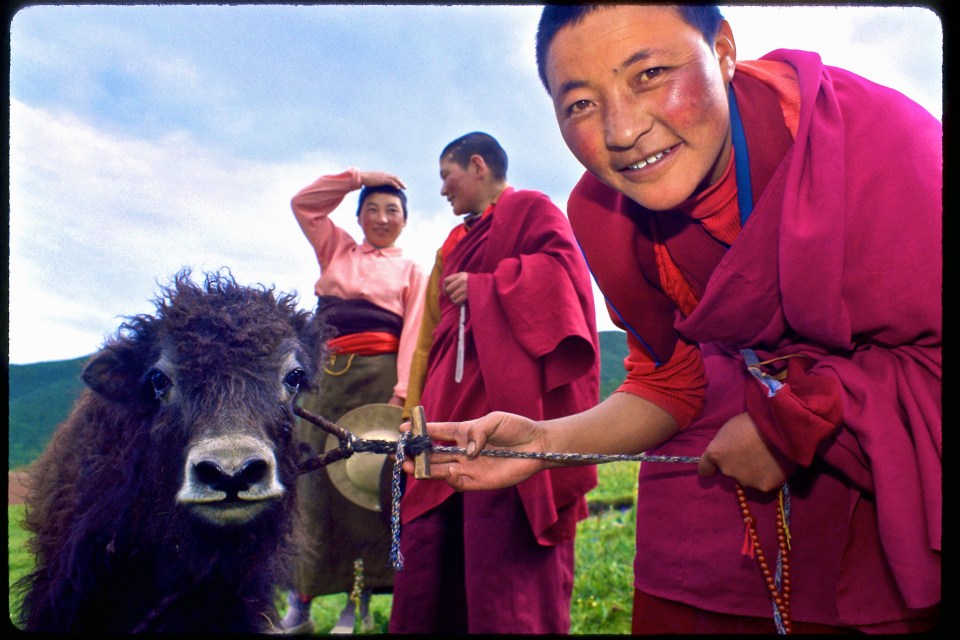
Nuns walk with their dri ( a juvenile yak) on the Plateau of Tibet. Image copyright Ana Elisa Fuentes. Photographed on color slide film, donated by Kodak. Selected for the Voice exhibition, on the occasion of The First Permanent Forum on Indigenous Issues, United Nations.

Nuns walk with their dri ( a juvenile yak) on the Plateau of Tibet. Image copyright Ana Elisa Fuentes. Photographed on color slide film, donated by Kodak. Selected for the Voice exhibition, on the occasion of The First Permanent Forum on Indigenous Issues, United Nations.

COLOR_C_25

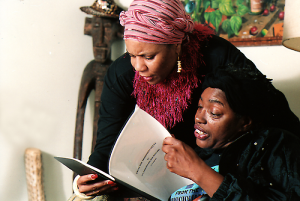
Two women wait for a bus in Bluefields, Nicaragua. Selected for the Voices Exhibition, on the occasion of The First Permanent Forum on Indigenous Issues. Photographed on Kodak color film. Photo copyright Ana Elisa Fuentes.

webIrianJaya

Women, members of the Dani tribe mourn, the passing of their tribal chief, in the Baliem Valley, of Irian Jaya. A very rare photograph. I was permitted to sit on my haunches at the entrance to the mourning hut to record three frames. Recorded on color film. Photo copyright Ana Elisa Fuentes. Selected for the Voices Exhibition, on the occasion of The First Permanent Forum on Indigenous Issues.

020

A refugee from the war in El Salvador, this young girl studies at a school in San Miguel Desamparados, a village outside the of San José, Costa Rica. Recorded on Kodak black and white film, copyright Ana Elisa Fuentes. Selected for the Voices Exhibition, on the occasion of The First Permanent Forum on Indigenous Issues. Selected for the exhibition by Her Eminence Mary Robinson.

CubanMischief

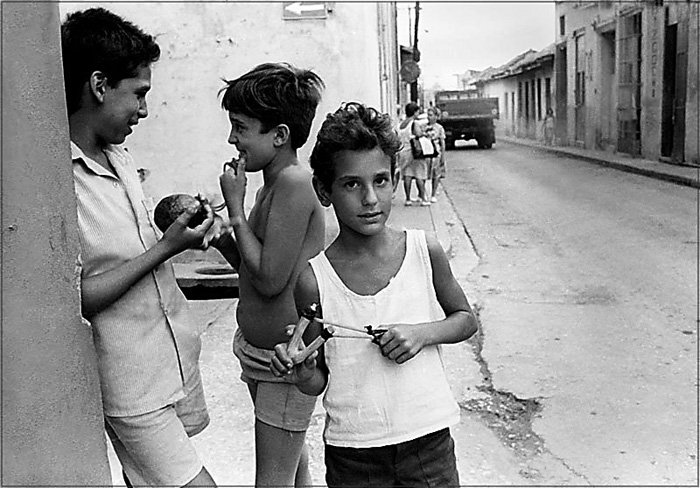
Children on a street corner, with a playful scheme in mind, in Havana, Cuba. Recorded on black and white film. Image copyright, Ana Elisa Fuentes. Selected for the Voices Exhibition, on the occasion of The First Permanent Forum on Indigenous Issues.

COLOR_IMG_0003

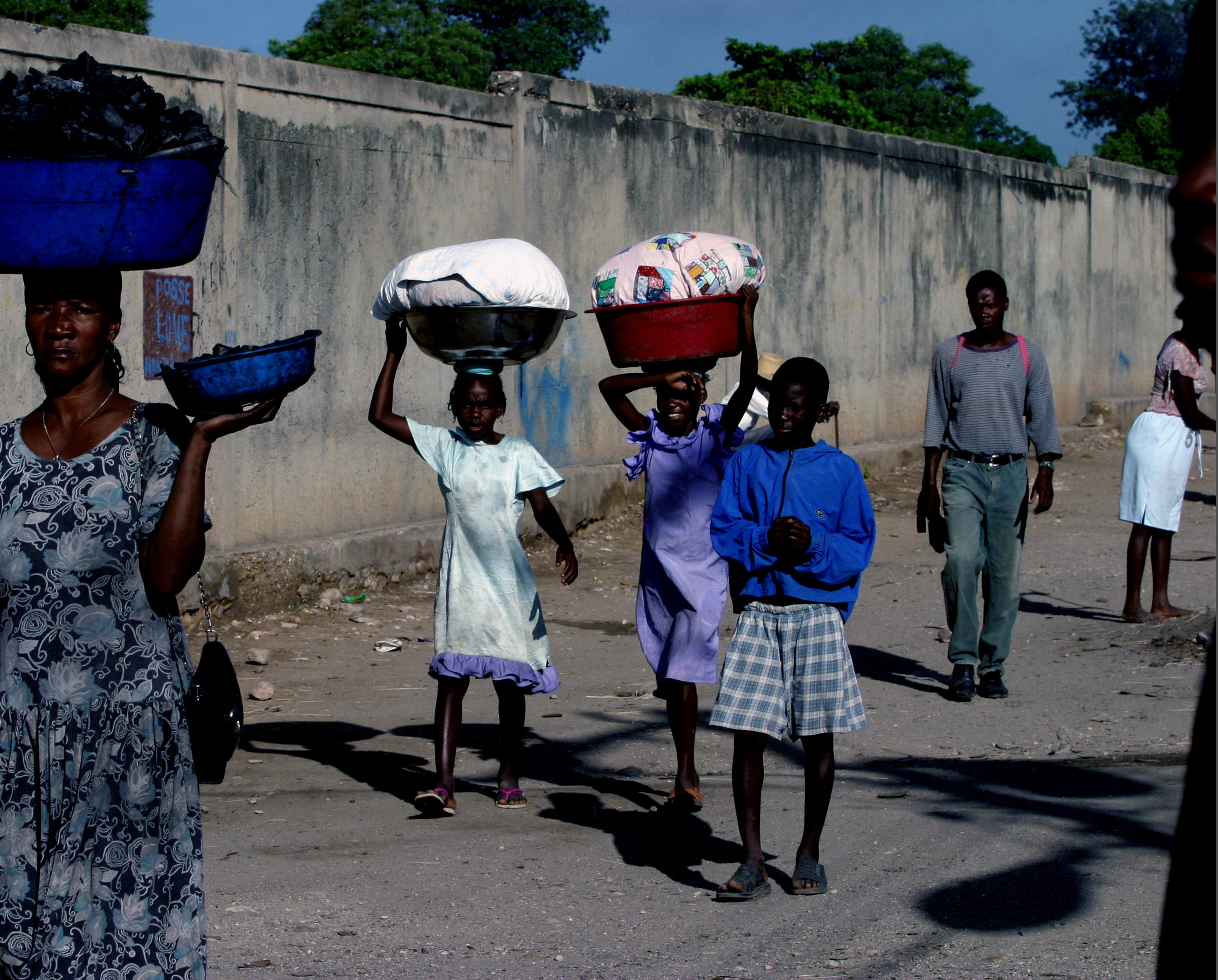
A mother carries cooking embers with her children following behind, on a main street in Port-au-Prince,Haiti. This photograph was recorded after the UN exhibit. However, it illustrates one of the main points in my presentation which I will deliver in Oxford, England, next month. Digital image, photo copyright, Ana Elisa Fuentes

webIMG_0164

A Haitian hurricane survivor waits for medical attention, at a refugee camp, in Jimani, Dominican Republic. Digital image copyright, Ana Elisa Fuentes. This photograph was recorded after the UN exhibit. However, it illustrates one of the main points in my presentation which I will deliver in Oxford, England, next month. Photography copyright, Ana Elisa Fuentes

All images copyright Ana Elisa Fuentes.

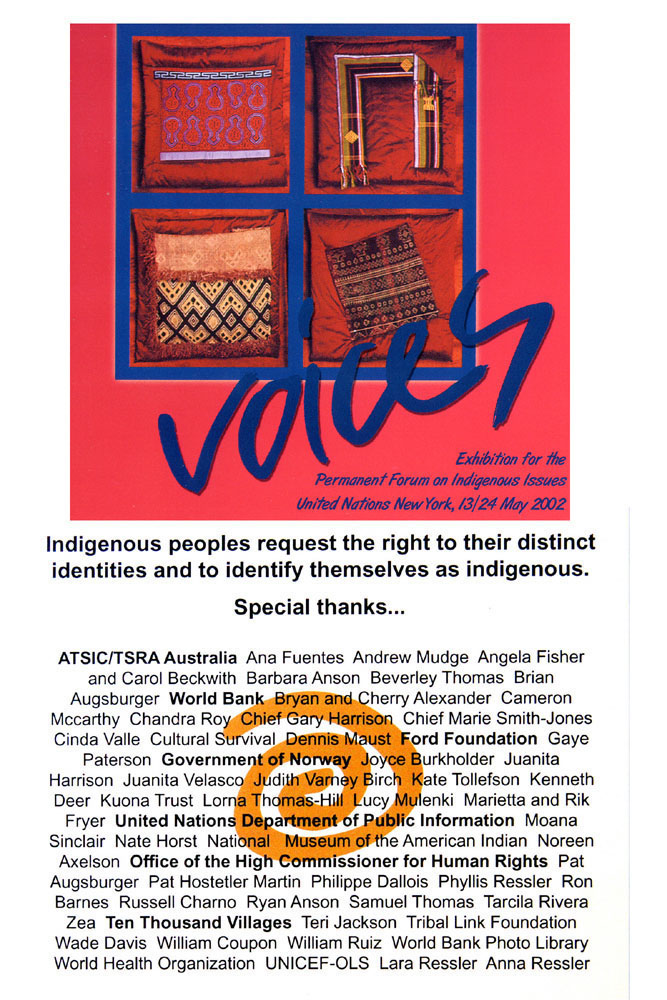
UNReceptionCard

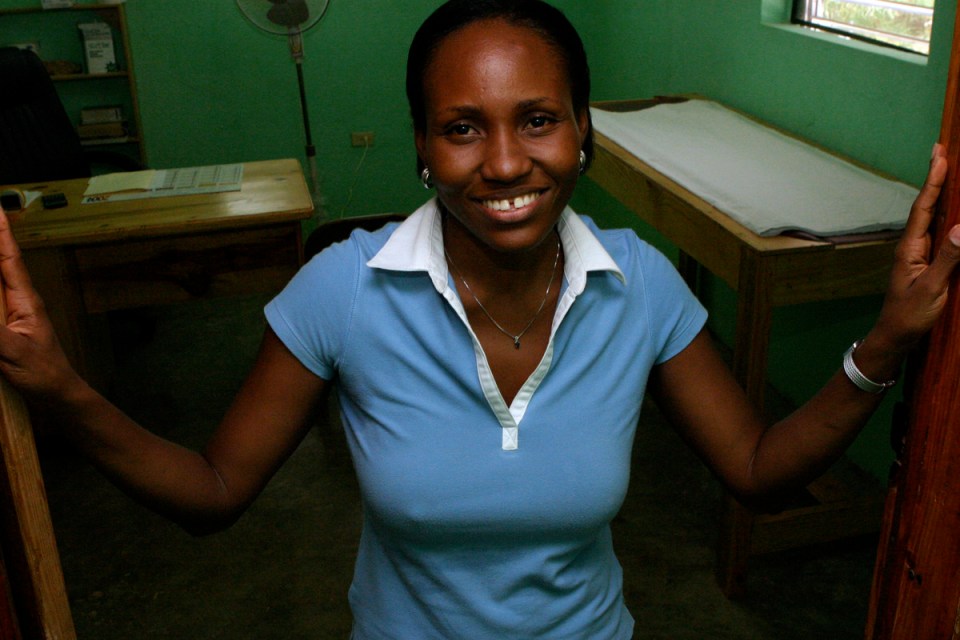
Dr. Agathe Jean-Baptiste of the Central Plateau, Haiti

bIMG_0026

Dr. Agathe Jean-Baptiste, grew up in the Central Plateau of Haiti where she returned to practice medicine after completing her medical training in Cuba. She is the daughter of Agronomist Chavannes Jean-Baptiste, recipient of the Goldman Environmental Prize and founder of the Peasant Movement of Haiti (M.P.P); the oldest and largest peasant cooperative in Haiti, with 60,000 plus members.

bIMG_0019

bIMG_0064

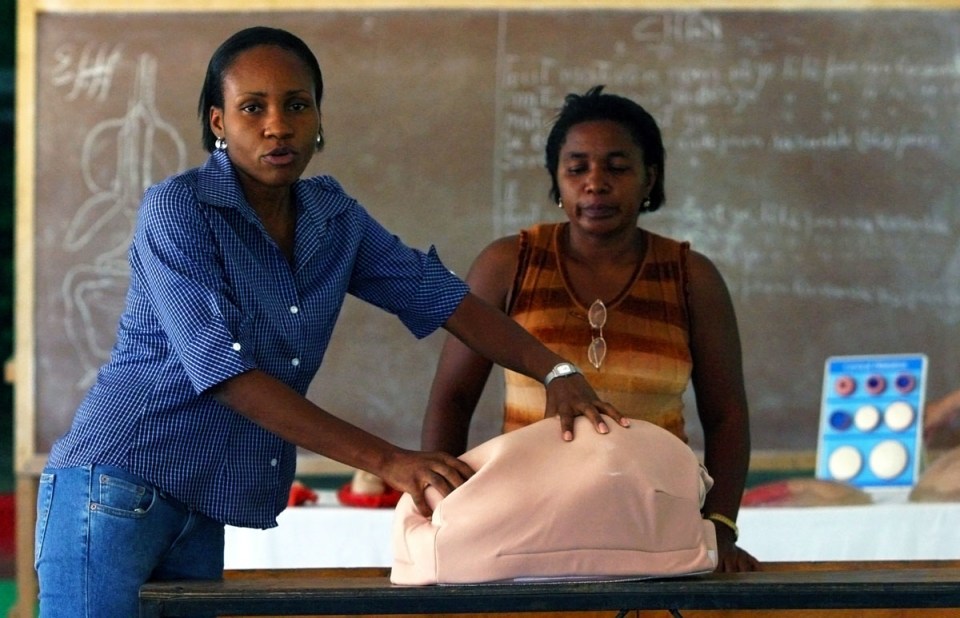
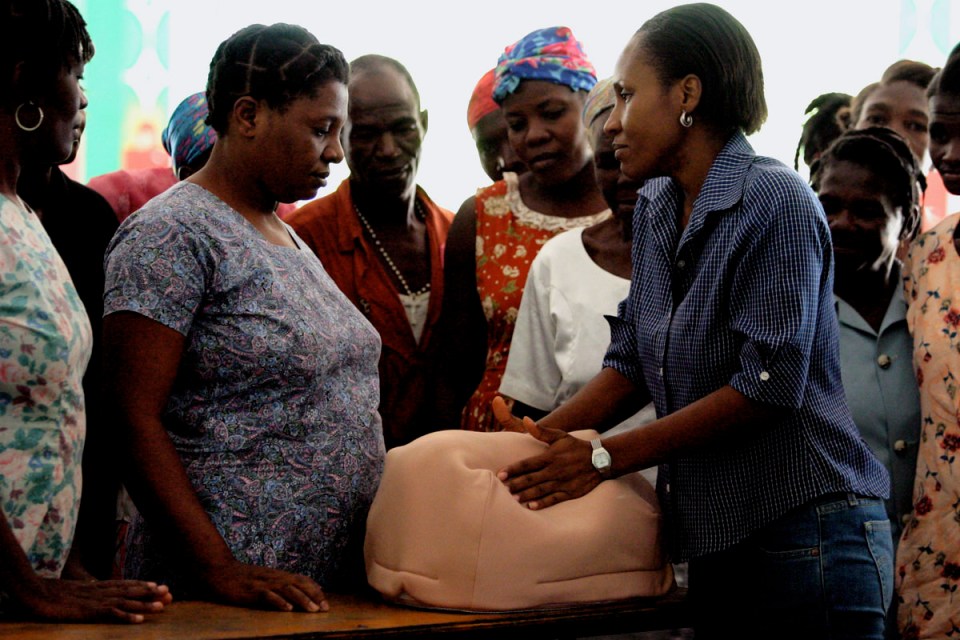
Above, Dr. Jean-Baptiste gives instruction on womb fetal positioning during a Midwifery training course for MPP collective members. 40 members from the collective participated in the free training.

bIMG_217  bIMG_0023HAITI: CHAVANNES JEAN-BAPTISTE

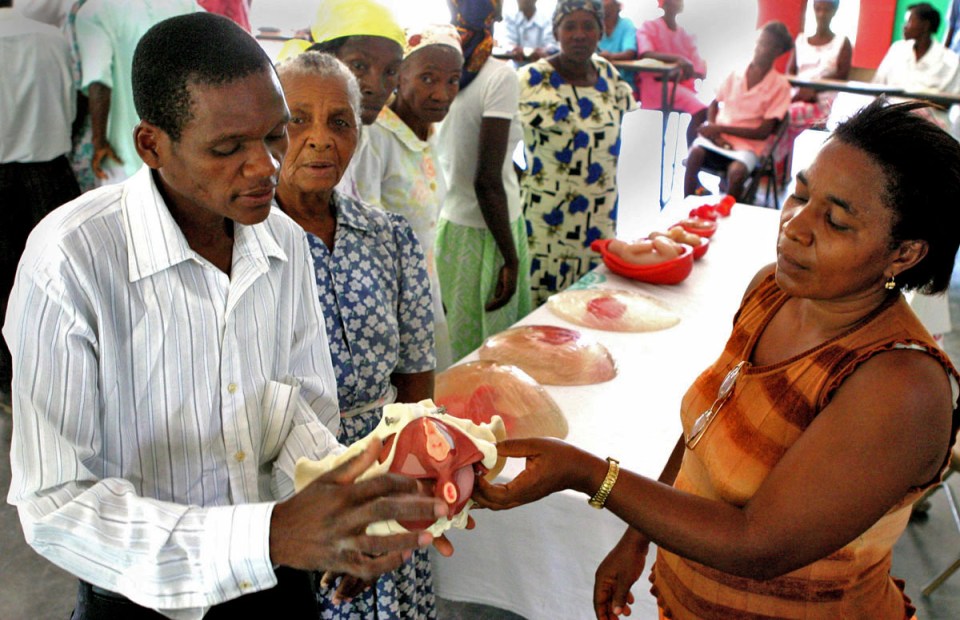
(at right) Nurse, teacher-trainer Maestra Denise Desormeaux asks questions of Midwife student and MPP member Jean Jolles during the oral exam segment of the training. Jolles was one of 40 students, from throughout Haiti attending the week-long training.”I want to work and help within in my community and protect the women in my community,” Jolles said.

bIMG_0081a

Dr. Alba

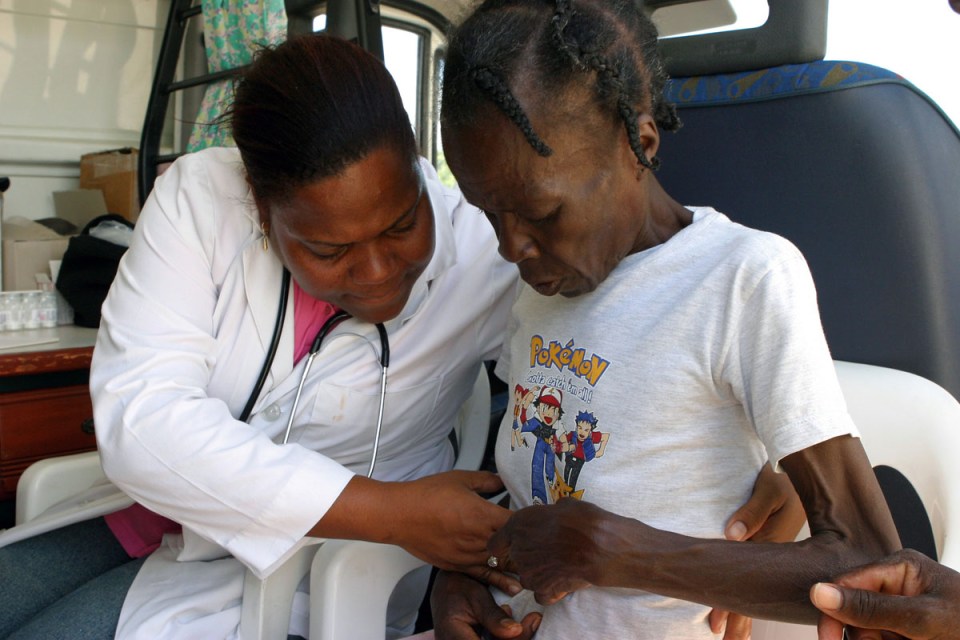
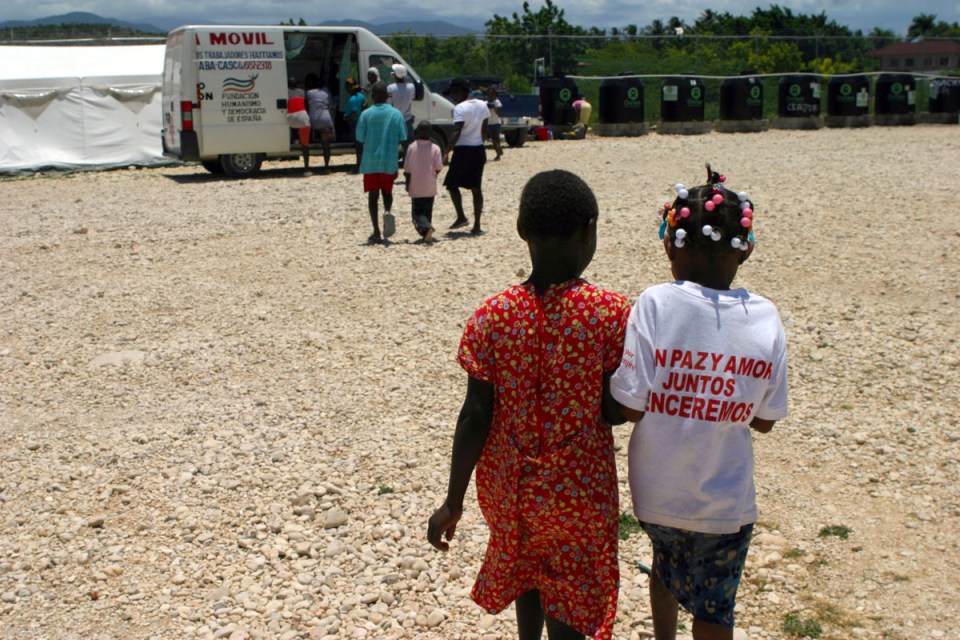
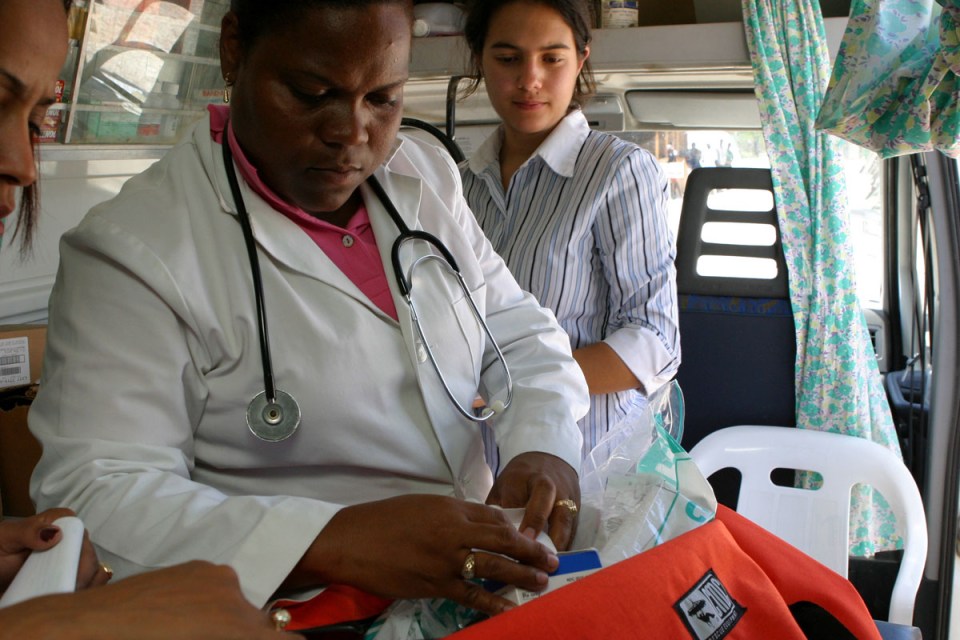
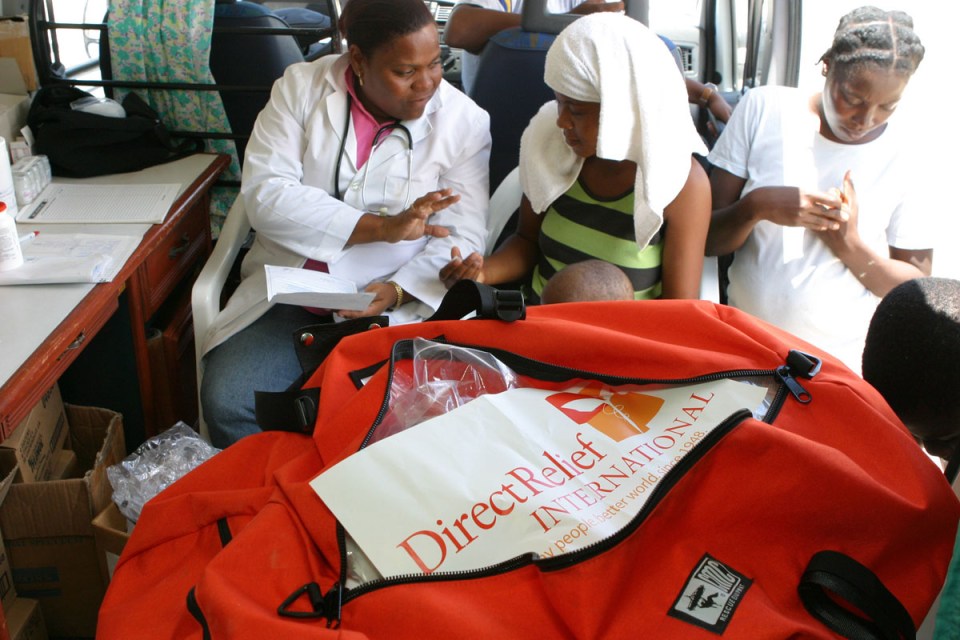
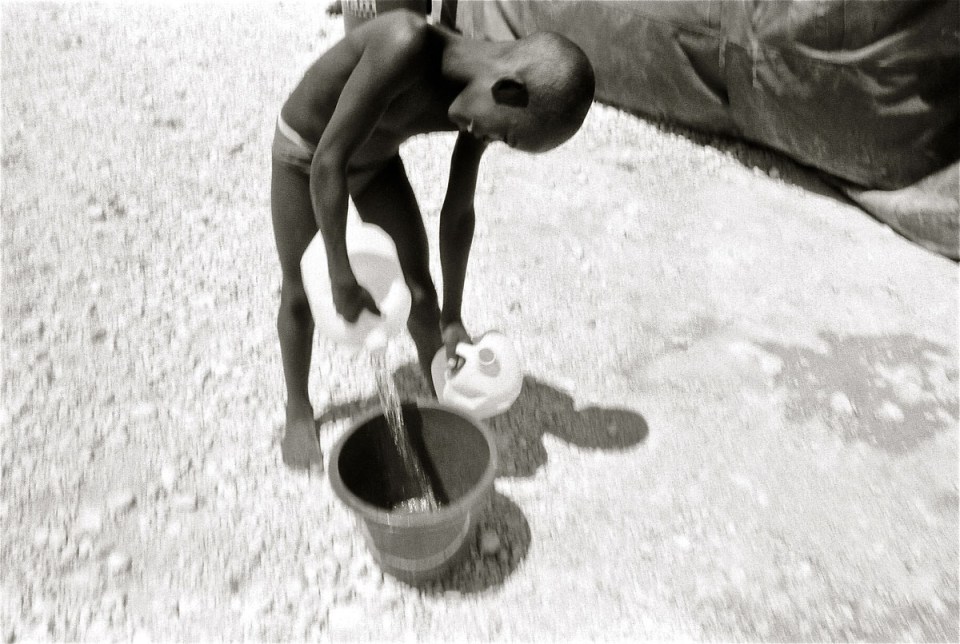
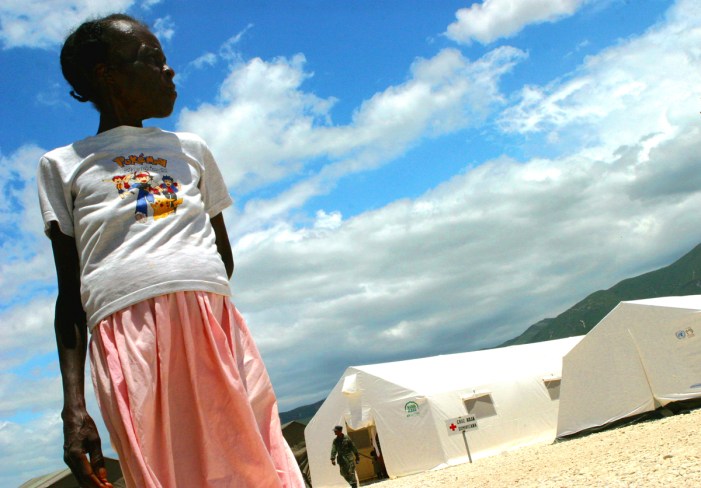
Yesterday, as I was going through photographs I rediscovered a roll or black and white film. Why I did not see them before? Has this happened to you? I realize that the requirements of deadline and demands of color images can impact the way we see things.. so this is my answer. I was delighted to find this roll of film and it took me back to this time and place in the Dominican Republic, just over the border from Haiti..  Looking back also reminds me of the enormous strength of Dr. Alba. A Haitian physician who works out of a mobile medical van serving remote, under-served populations. In this group of images Dr. Alba is treating hurricane-flood survivors relocated to this camp – a barren, dry, hot and unforgiving landscape. Not only did Dr. Alba’s and her van administer healing, and medicines, the van also served as a social hub for people residing in the camp. An inspiration to remember during Women’s History Month

s035

sIMG_0055

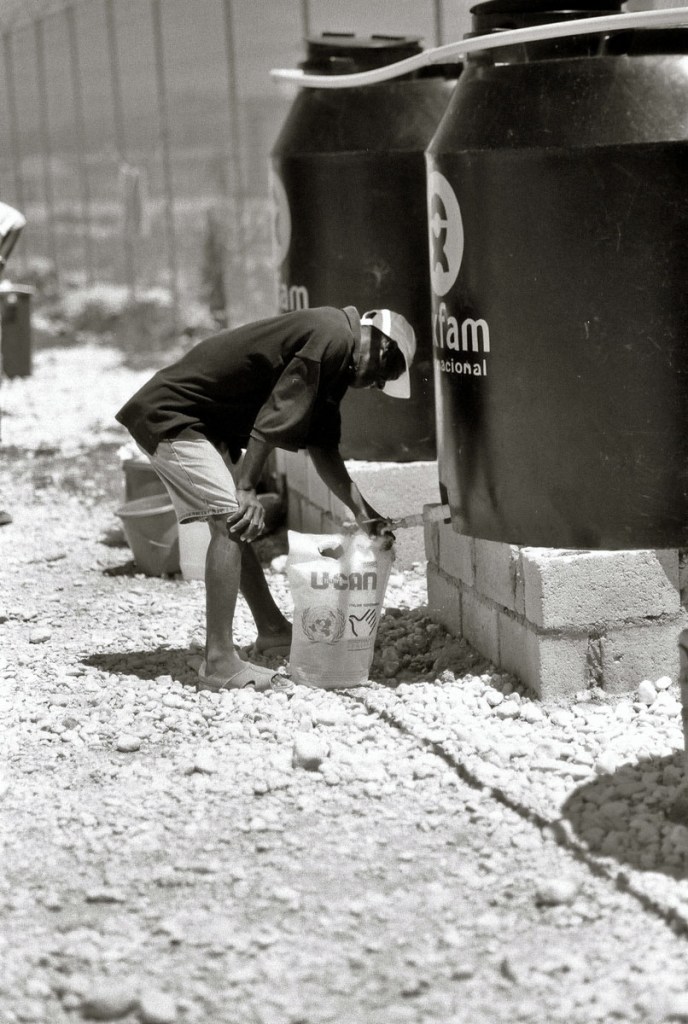
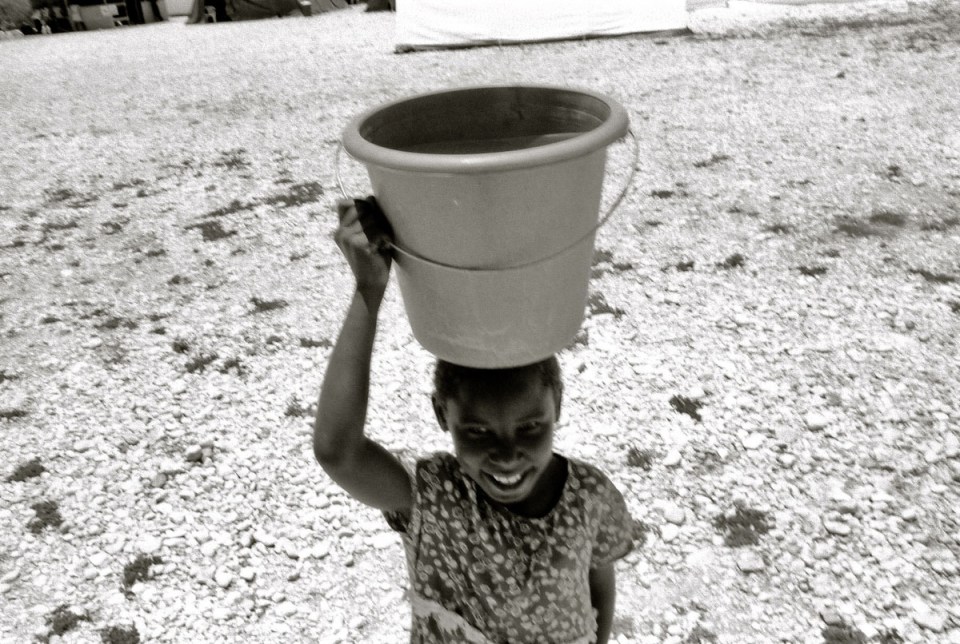
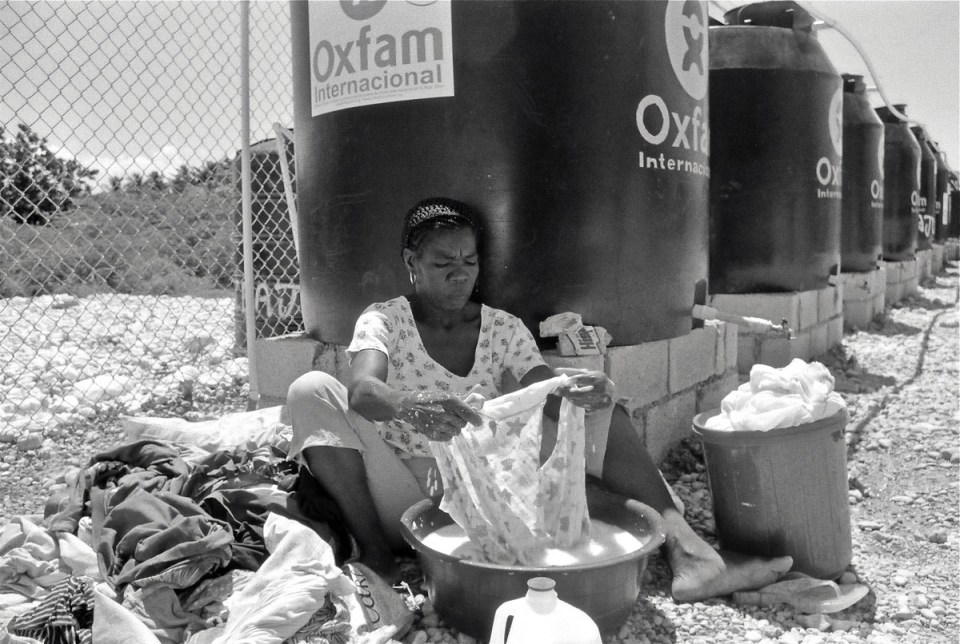
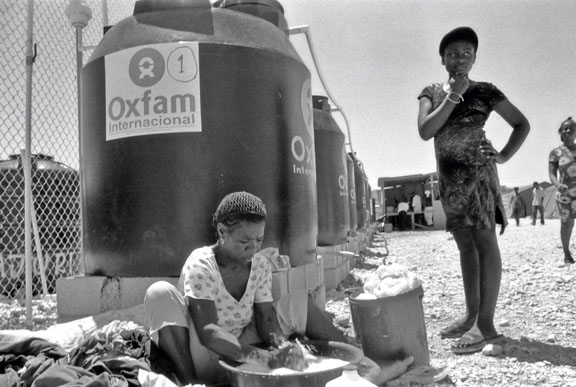
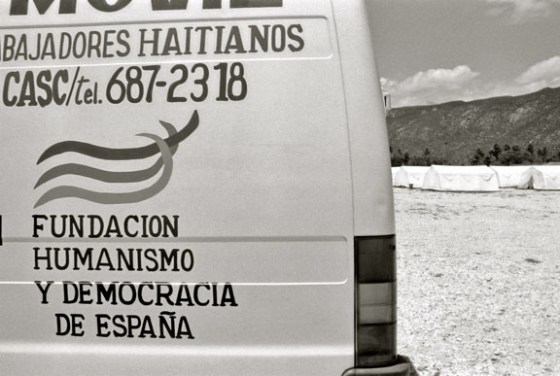
The van funded by the Humanity and Democracy Foundation of Spain. Medicines for the van supplied by Direct Relief International, a Humanitarian organization based in Santa Barbara, California and the American Jewish World Service. Water for drinking, bathing, brushing teeth, and laundry organized by Oxfam International

Haiti

A malnourished woman waits her turn to see Dr. Alba.

sIMG_0165

The woman waiting, gets her turn.

sIMG_0064

People of all ages walk to the mobile van for treatments.

sIMG_0106 sIMG_0134 sIMG_0034

s022

s011A

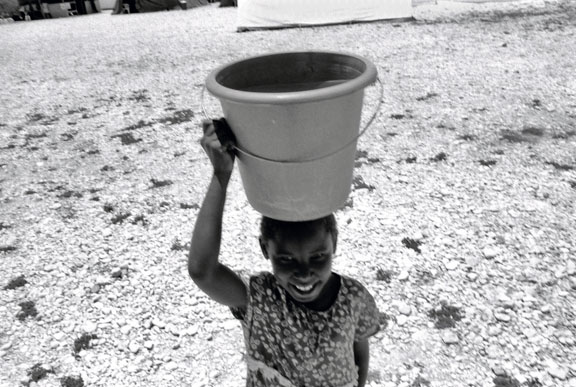
Water for drinking

s037 s030 s023  s010A

Water for laundry. Water for drinking. Water for brushing teeth, Water for bathing.

Water is dignity.

Women, Climate Change and World Refugee Day: Connect the Dots

webIMG_0164Today is World Refugee Day, and this begs the question, how  many of us will become refugees as a result of climate change? This Haitian woman, is a hurricane survivor who was relocated to a camp in the Dominican Republic at the border with Haiti. TWO PERCENT of Haiti is forested. Simple math tells that the remaining 98 percent is DEFORESTED.

Soil erosion is the result of deforestation, which makes the island nation vulnerable to landslides and floods during hurricane season.

Where there is no soil, there is no food;  which leads to hunger.

Deforestation has led to Haiti to depend on other nations, agencies, ,and NGO’s for food.

According to a report published on June 10th, 2015,  by the United Nations Internal Oversight Services, “over 200 women were forced into sexual acts with UN peacekeepers in exchange for basic necessities”

Think about the number of displaced persons as a result of hurricane Katrina.

Were they not climate refugees?

This week the Guardian published an article on American’s First People who are now America’s First Climate Refugees.

The people of Newtok, Alaska, like the people of Haiti are, literally,  losing the ground below their feet.

Photograph and text copyright Ana Elisa Fuentes

What are you waiting for?

IMG_1344

Why is the Arctic important?
The Arctic is our planets refrigerator, it is our cooling system.

Imagine
You have a refrigerator at home, but the cooling system is NOT WORKING

What would you do?

Most likely replace it. Go out and buy another one.
Right?

The heart of the matter is this
We cannot buy another Arctic.
It is not for sale. We cannot replace it.

The Arctic is  unique.
Like you and me,  your children. Your pets.

I ask you from my heart to yours,

for YOU,  for me,  for YOUR children
and for your children’s children, to take one moment

  add your name to the GLOBAL  DECLARATION making the Arctic a GLOBAL SANCTUARY

One planet. One Arctic.

What are you waiting for?

Remember Haiti

Remembering the people of Haiti during hurricane Sandy


Women’s Empowerment Exhibition Media


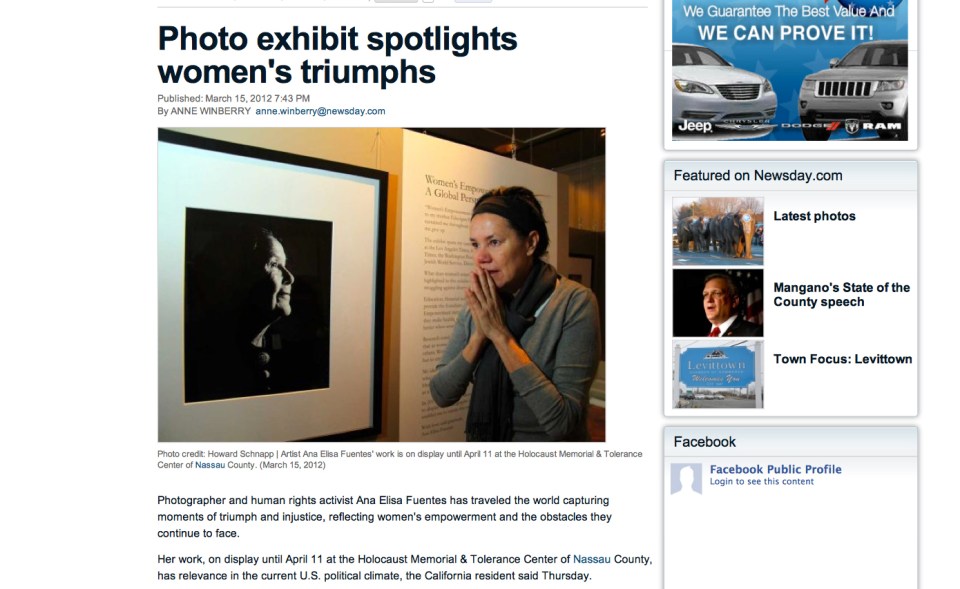
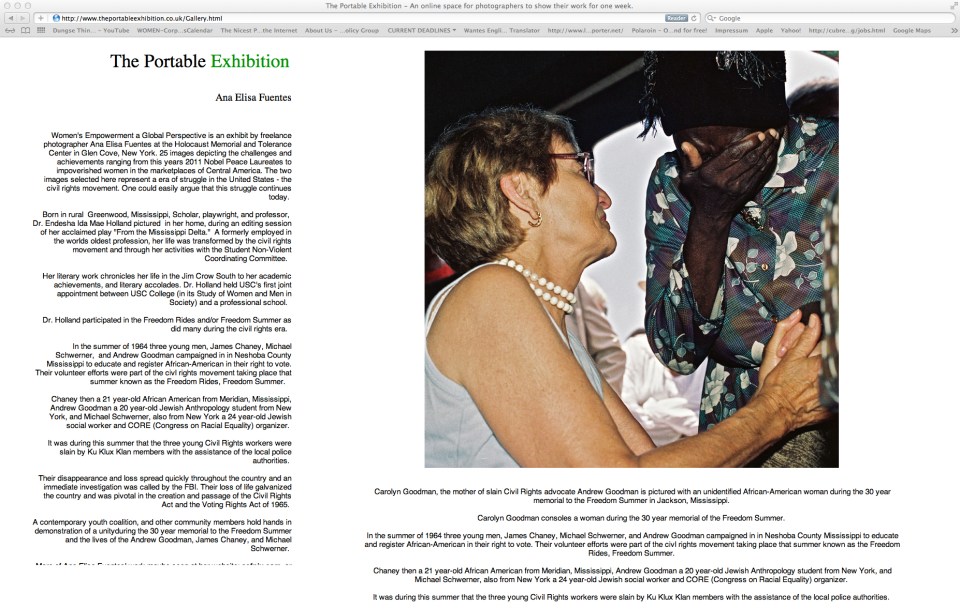
Recent press of my Women’s Empowerment: A Global Perspective exhibit at the Holocaust Memorial & Tolerance Center of Nassau County, in honor of Women’s History Month.  Prints from the exhibit are available here. Thank you Soundcliffwritingspa, New York Newsday, PortableExhibit UK & CUNY

Positively Green: Haiti

HAITI: CHAVANNES JEAN-BAPTISTE

Yes Haiti. Haiti is Positively Green.

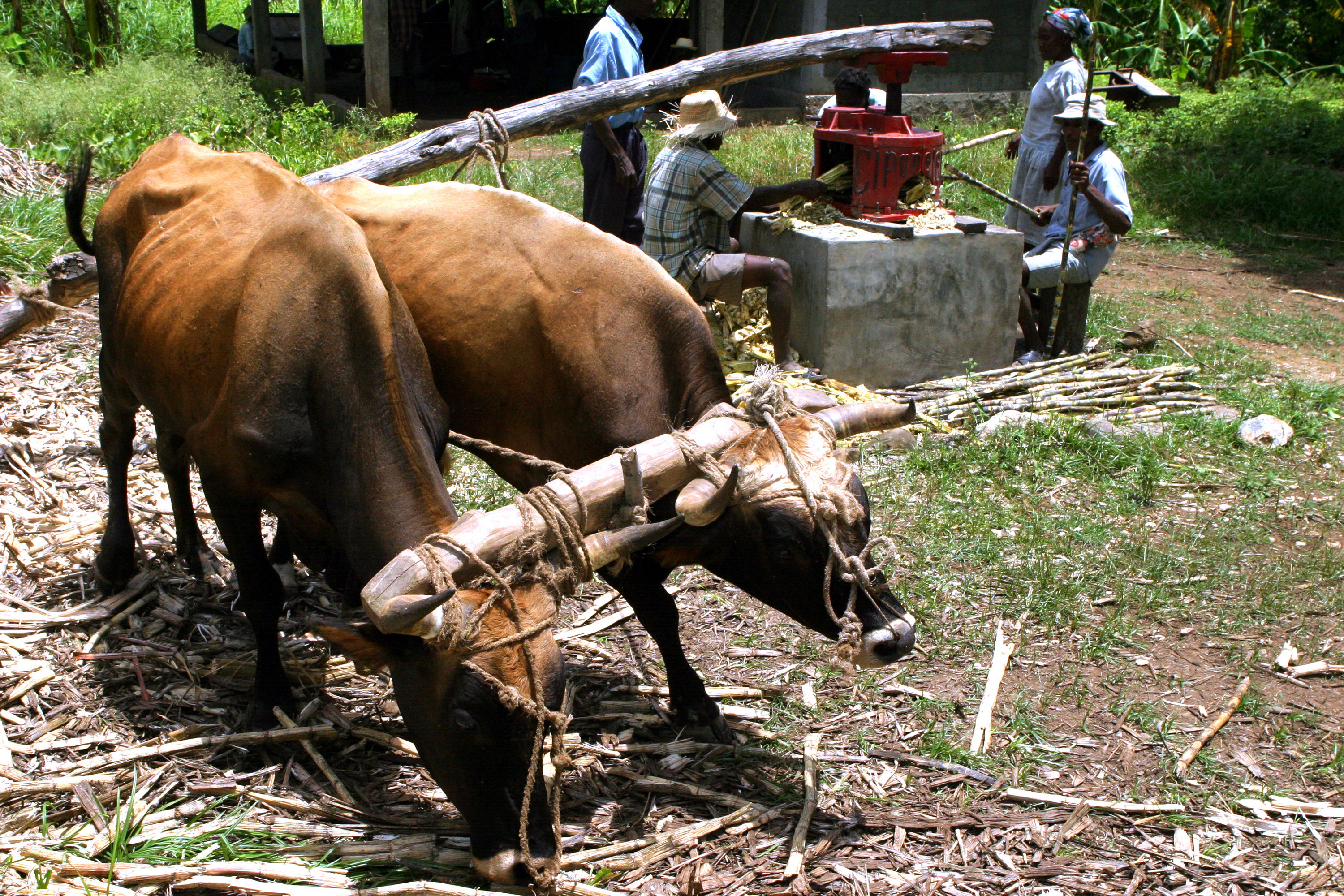
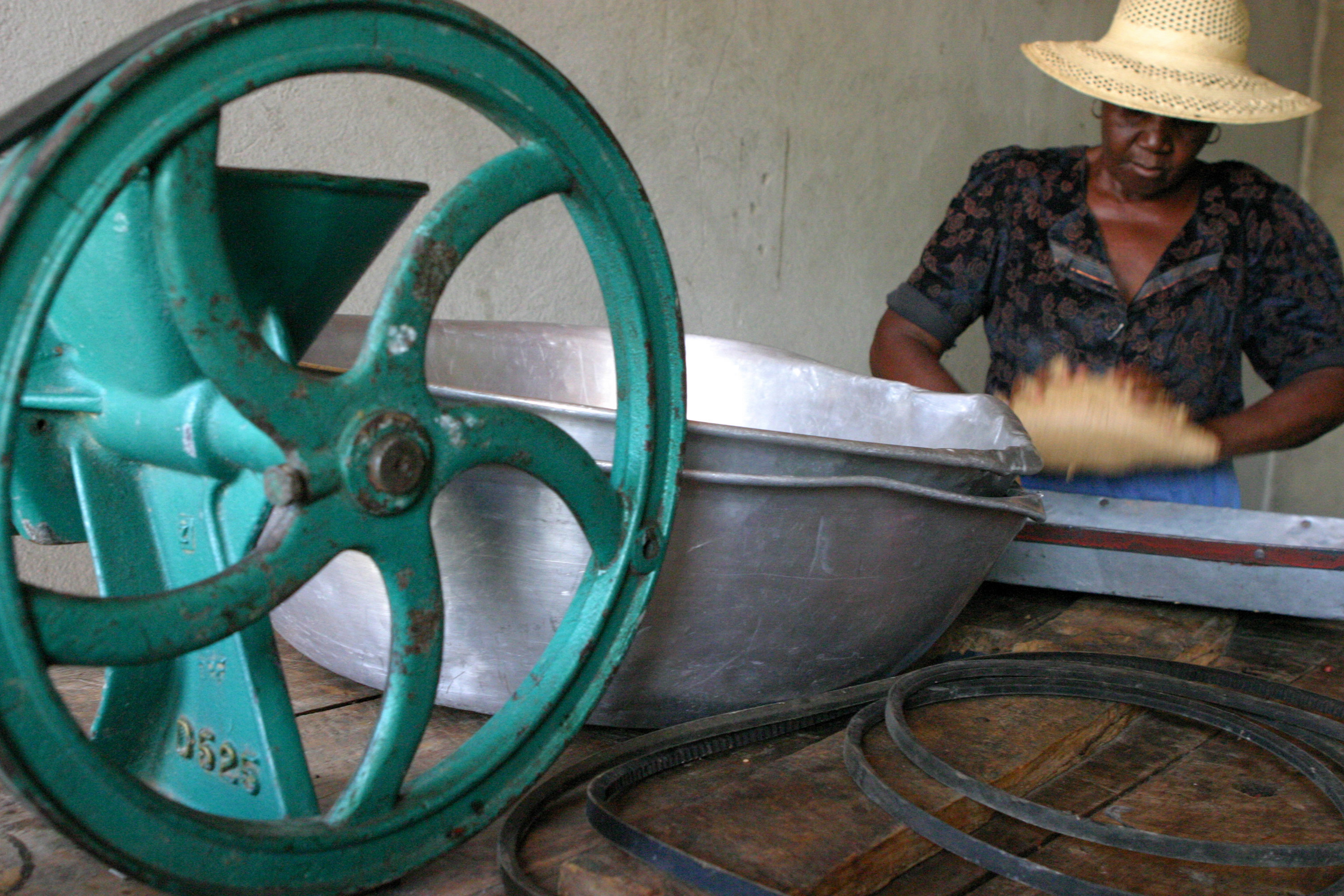
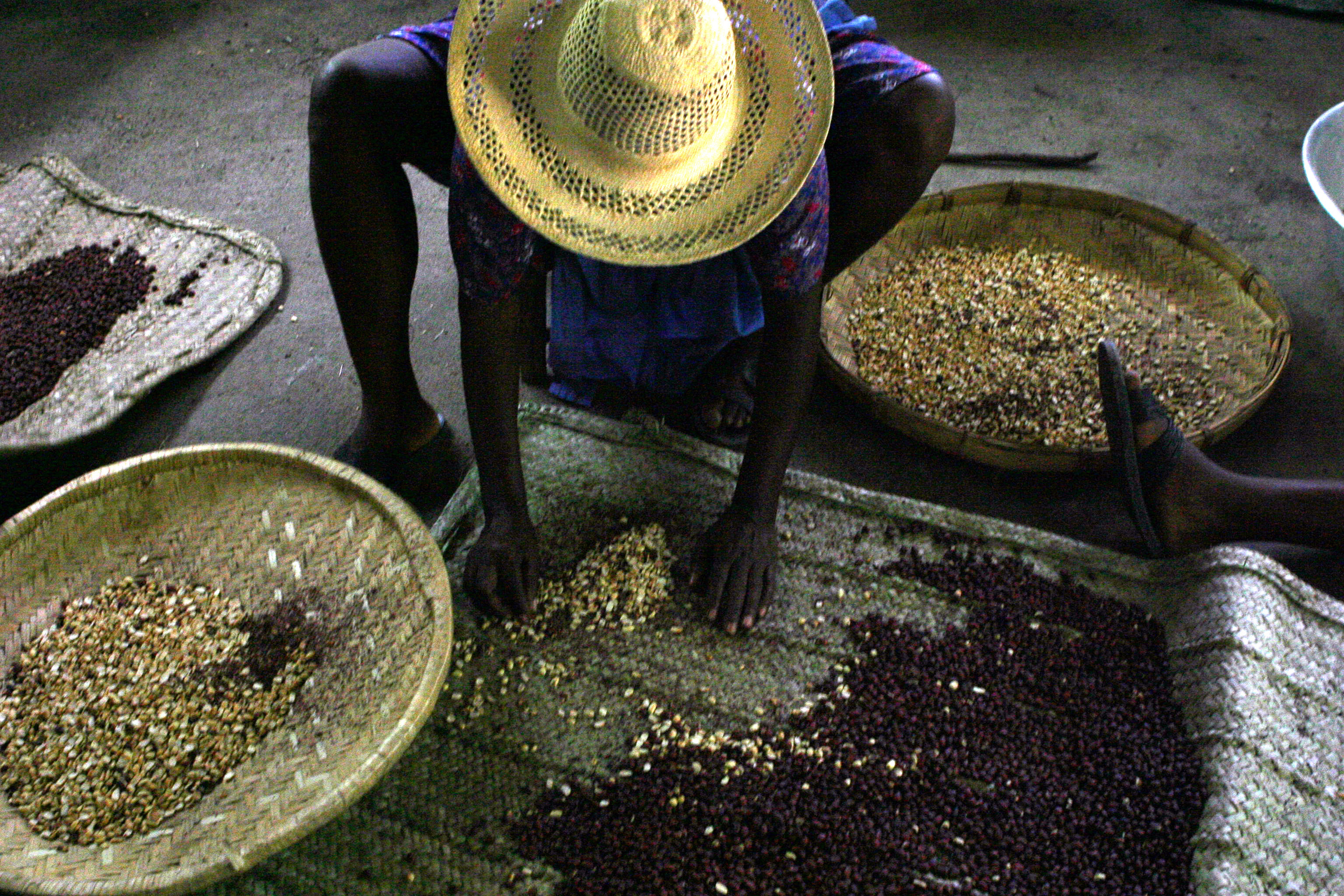
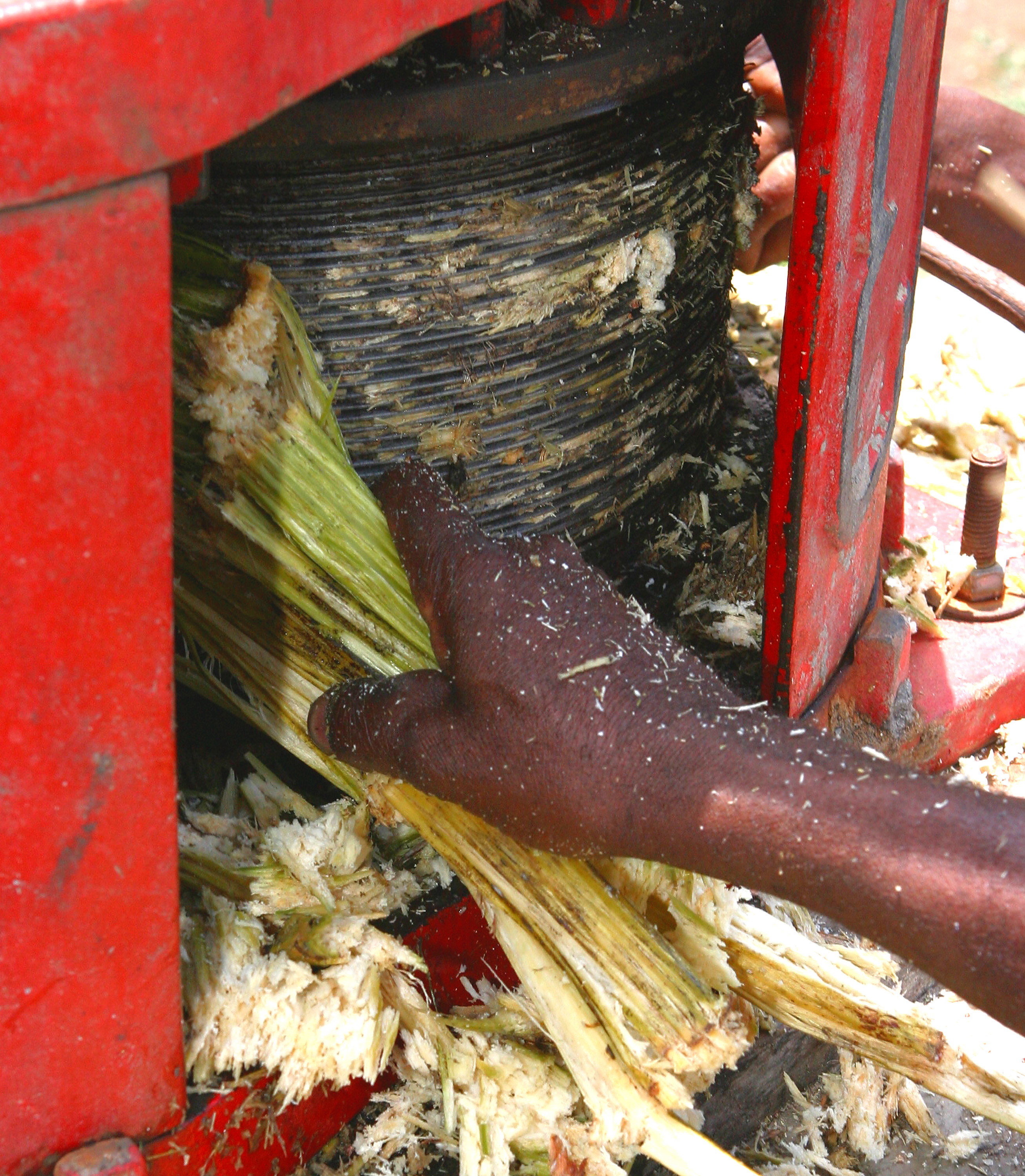
The Mouvman Peyizan Papay (MPP) or Peasant Movement of Papay is the oldest and largest cooperative movement in Haiti. With 60,000 members , the 35 year-old collective is situated in the central plateau. The mission of MPP is to educate and provide sound economic alternatives to the people of Haiti, while promoting environmental, sustainable, and renewable agriculture and gender equality. No individuals may join MPP only collectives. Here, Kopa Bwa Ferye is a 50 acre sugar cane cooperative formed by former Haitians who labored in the bateys in the Dominican Republic. Pooling their land resources, the cooperative model empowered the former farmers in servitude by offering them an economic model based on cooperation as means to self-reliance. Sugar cane is pressed for syrup while its by-products are used for heating and fuel for animals. Stiffer portions are used to stoke the cooking fire, while the animals eat the pulp as they provide the energy for the press. Agronomist Chavannes Jean-Baptiste is the founder of MPP. In 2005, he was awarded

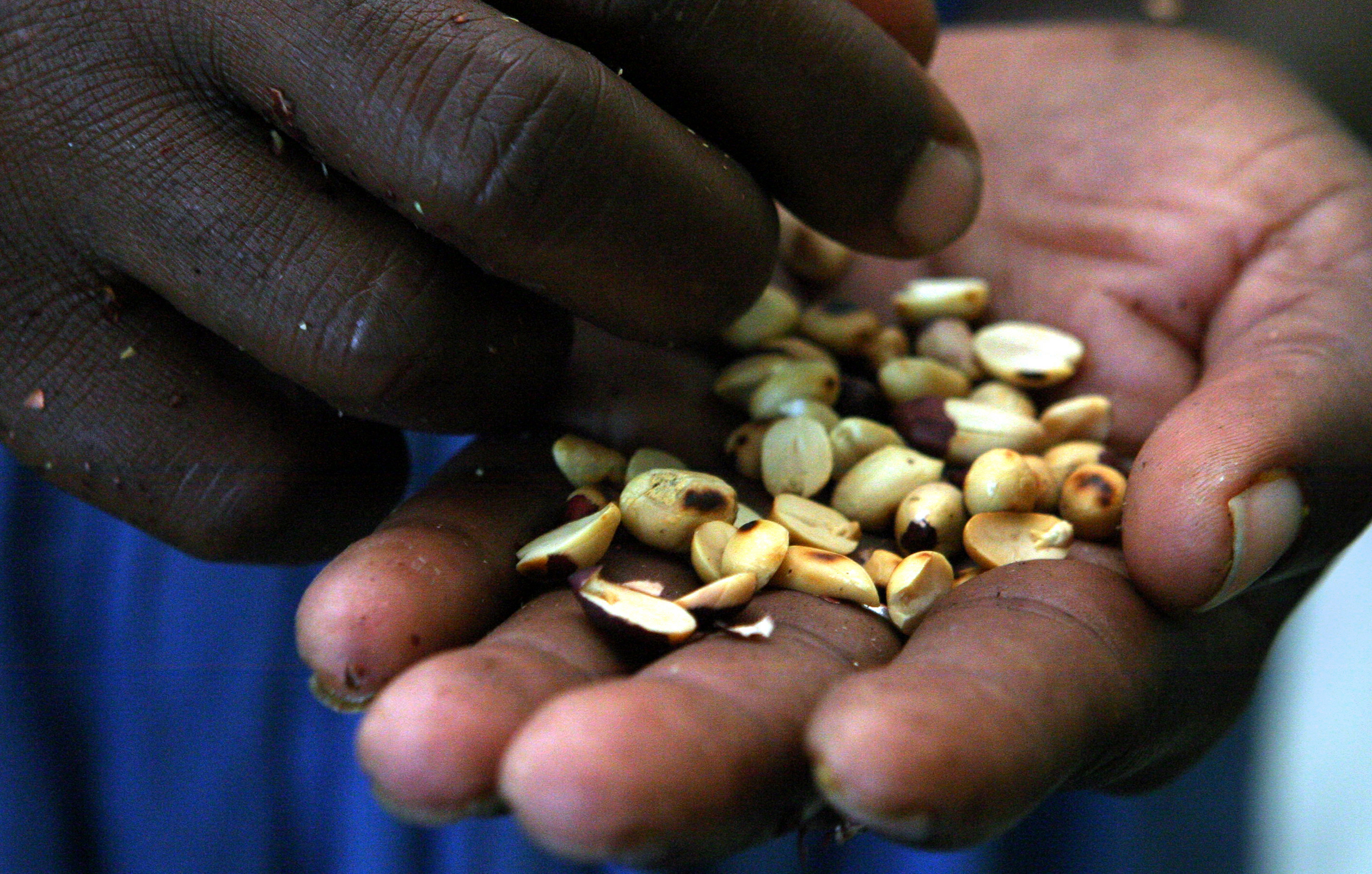
the Goldman Environmental Prize for his work in sustainable agriculture. Despite the changing political climate, deforestation and violence, Chavannes Jean-Baptiste and MPP have championed the cause in providing economic self reliance while promoting renewable and sustainable agriculture. Madame Frederic is one of three women who form the KOPA Mache Lakay, or the home market cooperative. Peanuts are double roasted, ground, then jarred and sold to markets in their region. Haiti is the poorest country in the Western hemisphere. The deforestation of this island nations has resulted in numerous hazardous environmental repercussions vital to the survival of it’s inhabitants. It is the through the vision of individuals like Chavannes Jean-Baptiste that solutions to our global environmental crisis depends.

Papay, Haiti: Agronomist Chavannes Jean-Baptiste, 58, founder of the Peasant Movment in Papay (MPP) is one of six recepients of the Goldman Environmental Prize, announced in San Francisco, CA on Monday April 18th, 2005. Mr. Baptiste was given the award for his work in sustainable agriculture. MPP is a 30 year-old organization, with 60,000 members. PHOTO: ANA ELISA FUENTES/GAMMA-PRESSE

.

Papay, Haiti: The Mouvman Peyizan Papay or the Pesant Movement of Papay is the oldest and largest pesant movement in Haiti. The cooperative is 30 years-old, with 60,000 members, and a classroom located in the heart of the Haiti, the central plateau. The goal of MPP is to educate, provide sound economic alternatives to the people of Haiti, while promoting enviornmental sustainable agriculture and gender equality.  No individual may join MPP, only collectives. Pictured here is Madame Justame, one of three women who form the KOPA Pwodisyon Mache Lakay, or

Papay, Haiti: The Mouvman Peyizan Papay or the Pesant Movement of Papay is the oldest and largest pesant movement in Haiti. The cooperative is 30 years-old, with 60,000 members, and a classroom located in the heart of the Haiti, the central plateau. The goal of MPP is to educate, provide sound economic alternatives to the people of Haiti, while promoting enviornmental sustainable agriculture and gender equality. No individual may join MPP, only collectives. Pictured here is Madame Justame, one of three women who form the KOPA Pwodisyon Mache Lakay, or “home market, ” a peanut cooperative. She prepares the peanut dough for grinding it into butter. Agronomist Chavannes Jean-Baptiste, 58, founder of the Peasant Movment in Papay (MPP) is one of six recepients of the Goldman Environmental Prize, announced in San Francisco, CA on Monday April 18th, 2005. Mr. Baptiste was given the award for his work in sustainable agriculture. MPP is a 30 year-old organization, with 60,000 members.

Papay, Haiti: The Mouvman Peyizan Papay or the Pesant Movement of Papay is the oldest and largest pesant movement in Haiti. The cooperative is 30 years-old, with 60,000 members, and a classroom located in the heart of the Haiti, the central plateau. The goal of MPP is to educate, provide sound economic alternatives to the people of Haiti, while promoting enviornmental sustainable agriculture and gender equality.  No individual may join MPP, only collectives. Pictured here is Madame Frederic, one of three women who form the KOPA Pwodisyon Mache Lakay, or

Papay, Haiti: The Mouvman Peyizan Papay or the Pesant Movement of Papay is the oldest and largest pesant movement in Haiti. The cooperative is 30 years-old, with 60,000 members, and a classroom located in the heart of the Haiti, the central plateau. The goal of MPP is to educate, provide sound economic alternatives to the people of Haiti, while promoting enviornmental sustainable agriculture and gender equality. No individual may join MPP, only collectives. Pictured here is Madame Frederic, one of three women who form the KOPA Pwodisyon Mache Lakay, or “home market, ” a peanut cooperative.Agronomist Chavannes Jean-Baptiste, 58, founder of the Peasant Movment in Papay (MPP) is one of six recepients of the Goldman Environmental Prize, announced in San Francisco, CA on Monday April 18th, 2005. Mr. Baptiste was given the award for his work in sustainable agriculture. MPP is a 30 year-old organization, with 60,000 members.
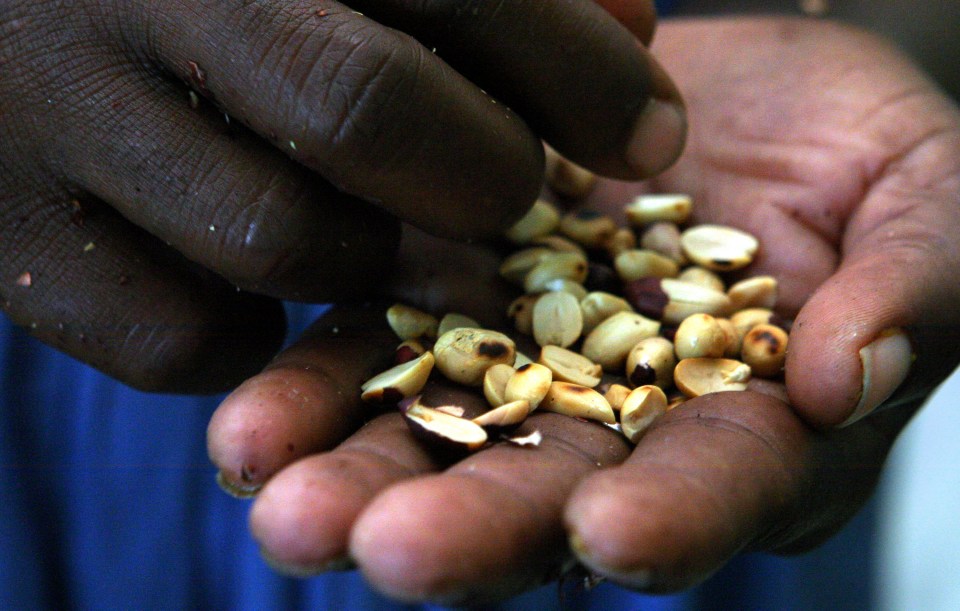
Papay, Haiti: The Mouvman Peyizan Papay or the Pesant Movement of Papay is the oldest and largest pesant movement in Haiti. The cooperative is 30 years-old, with 60,000 members, and a classroom located in the heart of the Haiti, the central plateau. The goal of MPP is to educate, provide sound economic alternatives to the people of Haiti, while promoting enviornmental sustainable agriculture and gender equality.  No individual may join MPP, only collectives. Pictured here is Madame Frederic, one of three women who form the KOPA Pwodisyon Mache Lakay, or

Papay, Haiti: The Mouvman Peyizan Papay or the Pesant Movement of Papay is the oldest and largest pesant movement in Haiti. The cooperative is 30 years-old, with 60,000 members, and a classroom located in the heart of the Haiti, the central plateau. The goal of MPP is to educate, provide sound economic alternatives to the people of Haiti, while promoting enviornmental sustainable agriculture and gender equality. No individual may join MPP, only collectives. Pictured here is Madame Frederic, one of three women who form the KOPA Pwodisyon Mache Lakay, or “home market, ” a peanut cooperative.Agronomist Chavannes Jean-Baptiste, 58, founder of the Peasant Movment in Papay (MPP) is one of six recepients of the Goldman Environmental Prize, announced in San Francisco, CA on Monday April 18th, 2005. Mr. Baptiste was given the award for his work in sustainable agriculture. MPP is a 30 year-old organization, with 60,000 members.
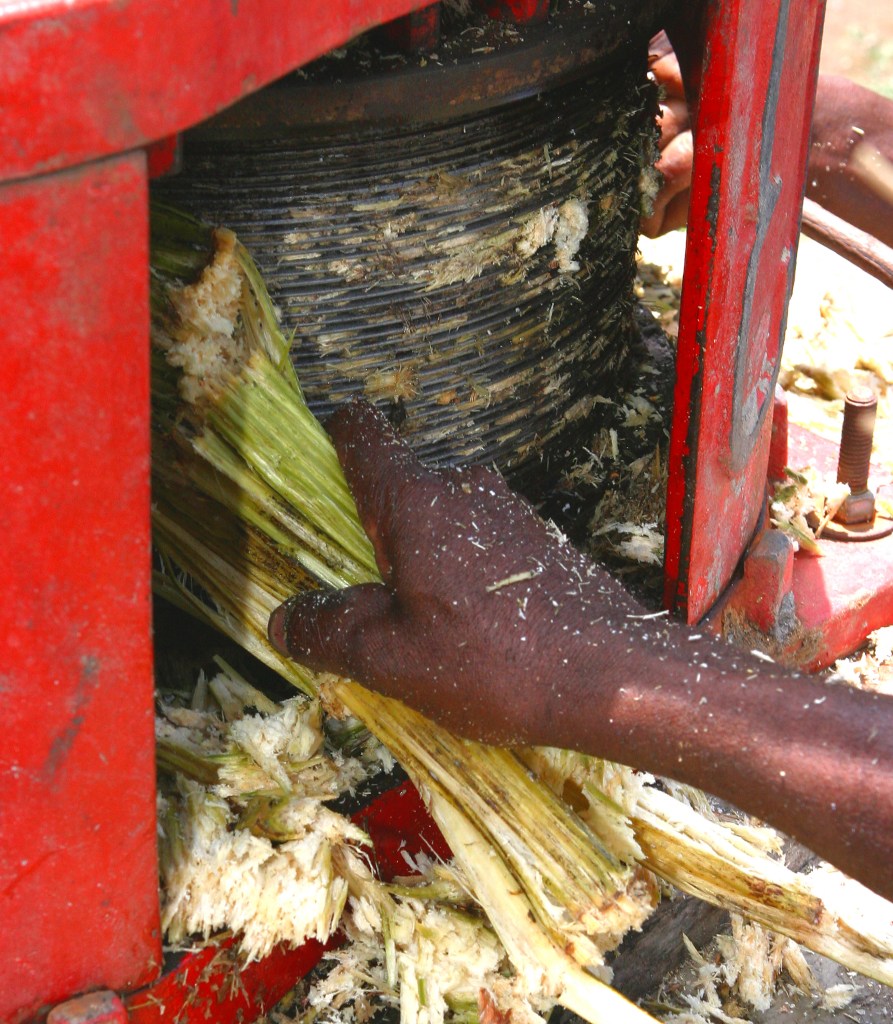
Papay, Haiti: Recycled sugar cane is used as food for animals and fuel for cooking -- stiffer portions is used to feed the cooking fire, while the pulp is given to the Ox, to chew while they work, much like humans chew gum. The Mouvman Peyizan Papay or the Pesant Movement of Papay is the oldest and largest pesant movement in Haiti. The cooperative is 30 years-old, with 60,000 members, and a classroom located in the heart of the Haiti, the central plateau. The goal of MPP is to educate, provide sound economic alternatives to the people of Haiti, while promoting enviornmental sustainable agriculture and gender equality.  No individual may join MPP, only collectives. Agronomist, Chavannes Jean-Baptiste, founder of  the Peasant Movment in Papay (MPP) is one of six recepients of the 2005 Goldman Environmental Award, announced in San Francisco, CA on Monday April 18th, 2005. Mr. Baptiste was given the award for his work in sustainable agriculture.  PHOTO: ANA ELISA FUENTES/GAMMA-PRESSE

Papay, Haiti: Recycled sugar cane is used as food for animals and fuel for cooking — stiffer portions is used to feed the cooking fire, while the pulp is given to the Ox, to chew while they work, much like humans chew gum. The Mouvman Peyizan Papay or the Pesant Movement of Papay is the oldest and largest pesant movement in Haiti. The cooperative is 30 years-old, with 60,000 members, and a classroom located in the heart of the Haiti, the central plateau. The goal of MPP is to educate, provide sound economic alternatives to the people of Haiti, while promoting enviornmental sustainable agriculture and gender equality. No individual may join MPP, only collectives.
Agronomist, Chavannes Jean-Baptiste, founder of the Peasant Movment in Papay (MPP) is one of six recepients of the 2005 Goldman Environmental Award, announced in San Francisco, CA on Monday April 18th, 2005. Mr. Baptiste was given the award for his work in sustainable agriculture.
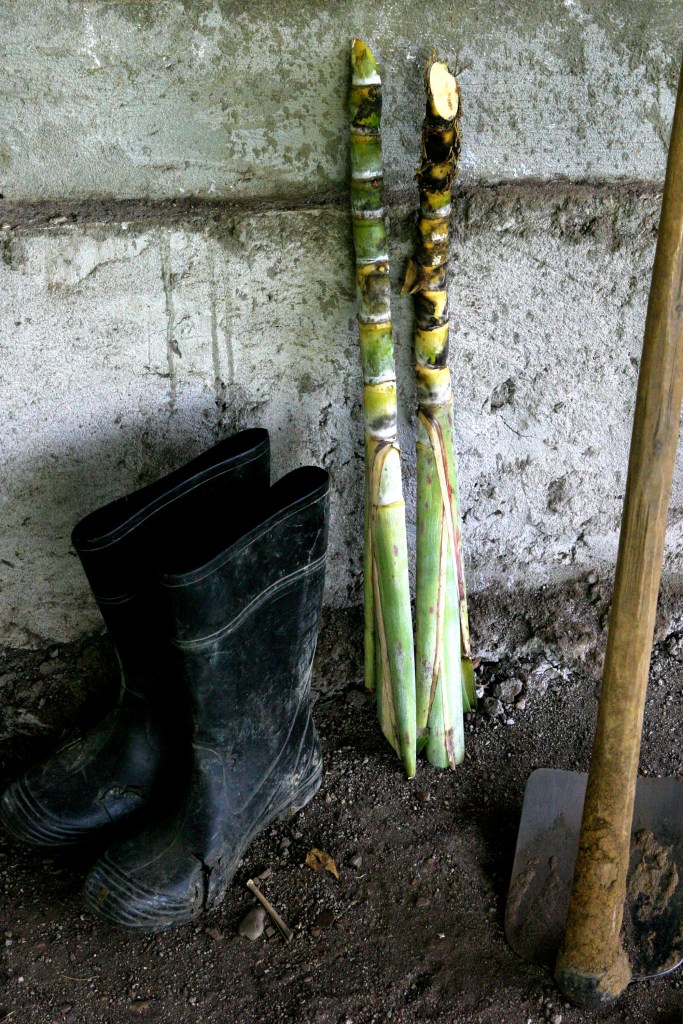
Papay, Haiti: Detail of wokers tools. The Mouvman Peyizan Papay or the Pesant Movement of Papay is the oldest and largest pesant movement in Haiti. The cooperative is 30 years-old, with 60,000 members, and a classroom located in the heart of the Haiti, the central plateau. The goal of MPP is to educate, provide sound economic alternatives to the people of Haiti, while promoting enviornmental sustainable agriculture and gender equality.  No individual may join MPP, only collectives. Agronomist, Chavannes Jean-Baptiste, founder of  the Peasant Movment in Papay (MPP) is one of six recepients of the 2005 Goldman Environmental Award, announced in San Francisco, CA on Monday April 18th, 2005. Mr. Baptiste was given the award for his work in sustainable agriculture.  PHOTO: ANA ELISA FUENTES/GAMMA-PRESSE

Papay, Haiti: Detail of wokers tools. The Mouvman Peyizan Papay or the Pesant Movement of Papay is the oldest and largest pesant movement in Haiti. The cooperative is 30 years-old, with 60,000 members, and a classroom located in the heart of the Haiti, the central plateau. The goal of MPP is to educate, provide sound economic alternatives to the people of Haiti, while promoting enviornmental sustainable agriculture and gender equality. No individual may join MPP, only collectives.
Agronomist, Chavannes Jean-Baptiste, founder of the Peasant Movment in Papay (MPP) is one of six recepients of the 2005 Goldman Environmental Award, announced in San Francisco, CA on Monday April 18th, 2005. Mr. Baptiste was given the award for his work in sustainable agriculture.
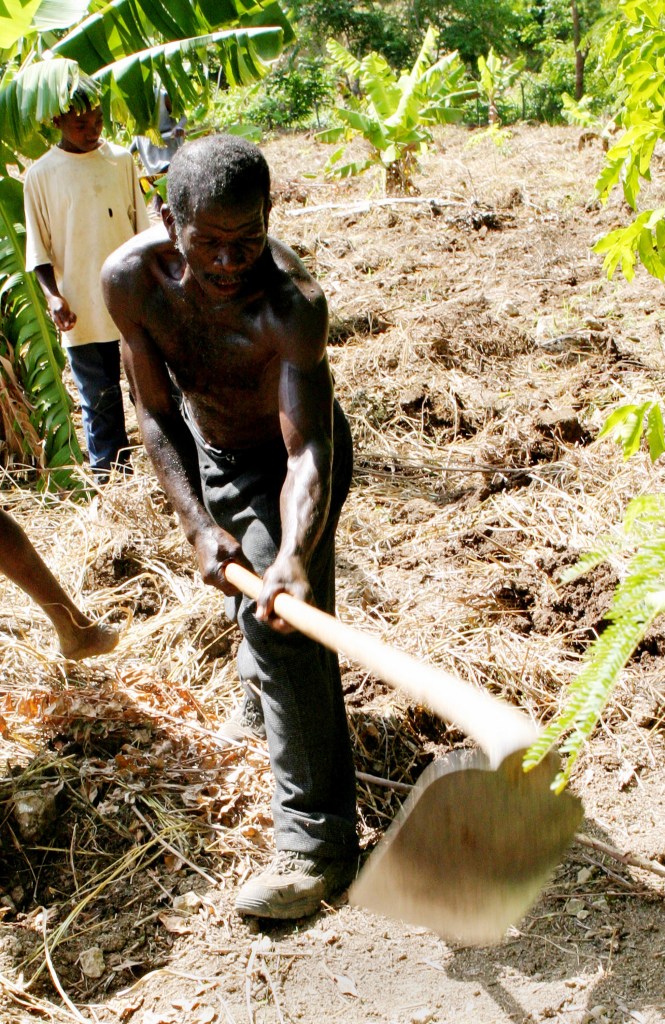
Papay, Haiti: Jasma, of Kopa Koton, MPP's oldest and formative cooperative, prepares the soil for the planting of corn.. The Mouvman Peyizan Papay or the Pesant Movement of Papay is the oldest and largest pesant movement in Haiti. The cooperative is 30 years-old, with 60,000 members, and a classroom located in the heart of the Haiti, the central plateau. The goal of MPP is to educate, provide sound economic alternatives to the people of Haiti, while promoting enviornmental sustainable agriculture and gender equality.  No individual may join MPP, only collectives. Agronomist, Chavannes Jean-Baptiste, founder of  the Peasant Movment in Papay (MPP) is one of six recepients of the 2005 Goldman Environmental Award, announced in San Francisco, CA on Monday April 18th, 2005. Mr. Baptiste was given the award for his work in sustainable agriculture.  PHOTO: ANA ELISA FUENTES/GAMMA-PRESSE

Papay, Haiti: Jasma, of Kopa Koton, MPP’s oldest and formative cooperative, prepares the soil for the planting of corn.. The Mouvman Peyizan Papay or the Pesant Movement of Papay is the oldest and largest pesant movement in Haiti. The cooperative is 30 years-old, with 60,000 members, and a classroom located in the heart of the Haiti, the central plateau. The goal of MPP is to educate, provide sound economic alternatives to the people of Haiti, while promoting enviornmental sustainable agriculture and gender equality. No individual may join MPP, only collectives.
Agronomist, Chavannes Jean-Baptiste, founder of the Peasant Movment in Papay (MPP) is one of six recepients of the 2005 Goldman Environmental Award, announced in San Francisco, CA on Monday April 18th, 2005. Mr. Baptiste was given the award for his work in sustainable agriculture.

 ALL PHOTOGRAPHS COPYRIGHT ANA ELISA FUENTES